Travel Street | Bhimbetka Caves – Discover the Oldest Art Form of the World | www.globalfashionstreet.com
Walking through the Bhimbetka Caves is like stepping into a time machine. These ancient rock shelters do more than display early human creativity. They chronicle the evolution of art, culture, and survival.
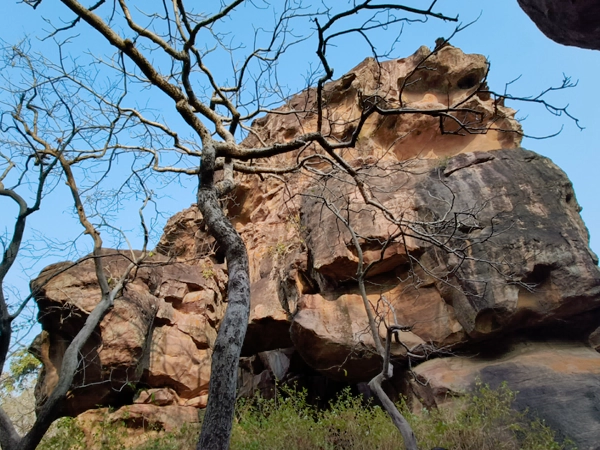
Even today, the caves reflect a profound human connection with nature. The skill, imagination, and resourcefulness of the early inhabitants are visible in every stroke and hue painted on the rock surfaces.
Nestled in the rugged Vindhya ranges of Madhya Pradesh, the Bhimbetka Rock Sheltersare among the most remarkable archaeological sites in the world. Recognized as a UNESCO World Heritage Site, these caves are widely regarded as the cradle of prehistoric art.
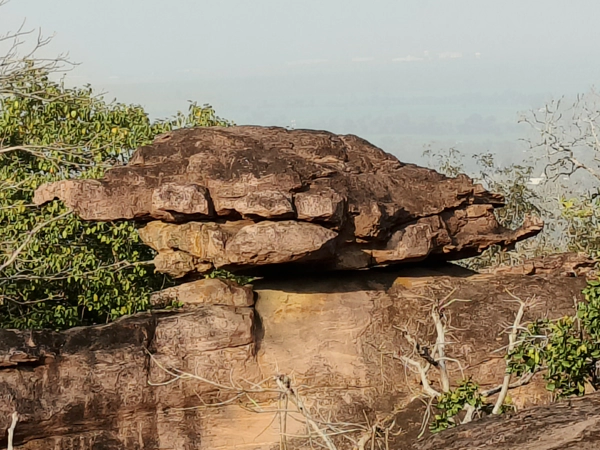
However, Bhimbetka is much more than an open-air gallery. It is a monumental testament to human endurance and creativity. The paintings here represent some of the oldest surviving art forms known to humanity. Despite thousands of years of exposure to nature, these artworks continue to narrate the story of early human life and social evolution.
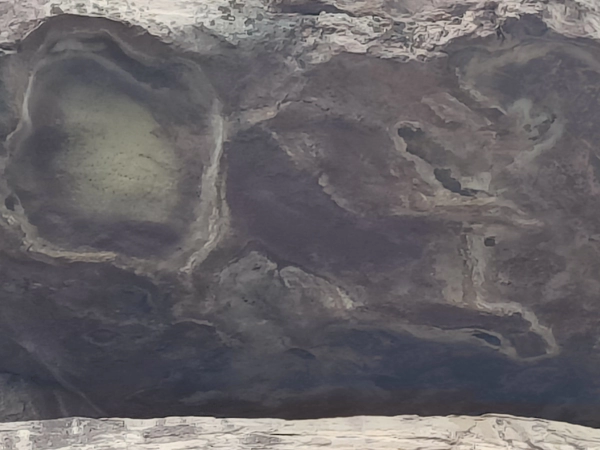
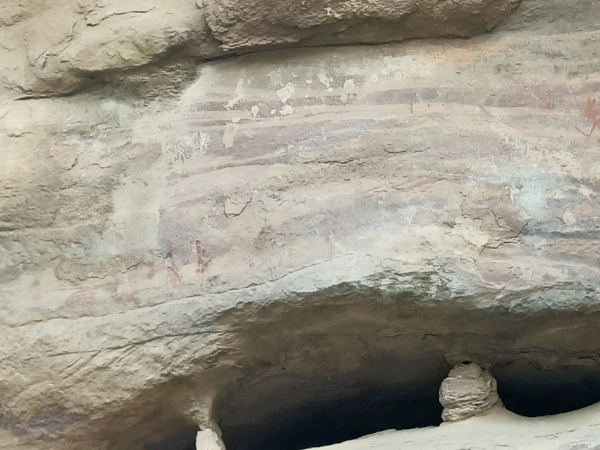
The Bhimbetka caves preserve a living record of over 100,000 years of human existence. Surprisingly, many of the paintings remain vivid even today. The natural rock shelters protected them from wind, rain, and sunlight.
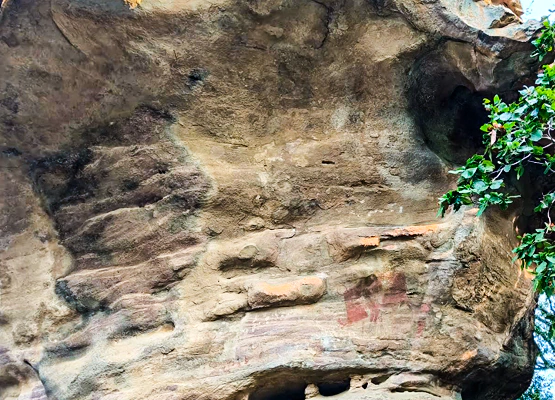
Early humans used pigments derived from minerals, plants, charcoal, and animal fats. These natural colours produced shades of red, white, green, and ochre that still glow against the stone walls.
Through these images, early communities recorded their daily lives, struggles, celebrations, and beliefs. In many ways, these paintings form a visual language that continues to communicate across centuries and cultures.
Imagine an ancient landscape where Bhimbetka thrived as a vibrant settlement. Located between fertile plains and dense forests, the caves offered the perfect refuge for early humans.
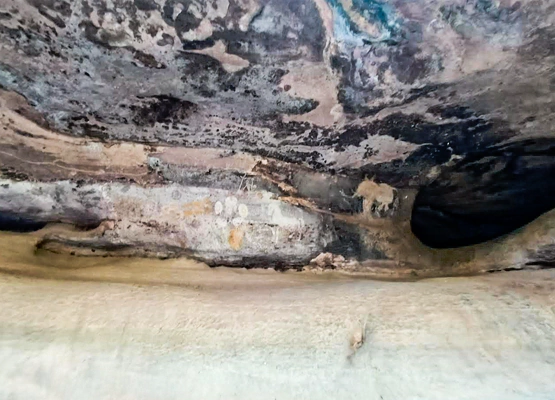
The shelters protected inhabitants from harsh weather and predators. At the same time, the surrounding forests provided food, water, and raw materials.
Over time, these caves became spaces where social and cultural life evolved. Each rock shelter holds fragments of this transformation, revealing rituals, beliefs, and early community life.
The earliest paintings at Bhimbetka belong to the Paleolithic period. These artworks feature simple stick-like human figures engaged in hunting and gathering.
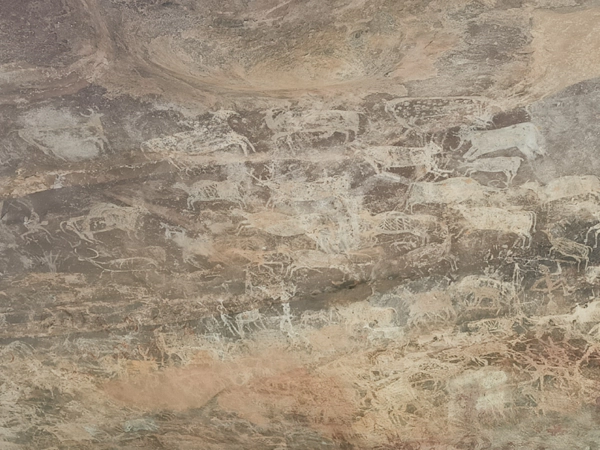
Painted primarily in red ochre, the scenes capture the survival instincts of early humans. Large animals such as bison, elephants, and tigers frequently appear in these images. These depictions also offer valuable insight into the environment and wildlife of prehistoric India.
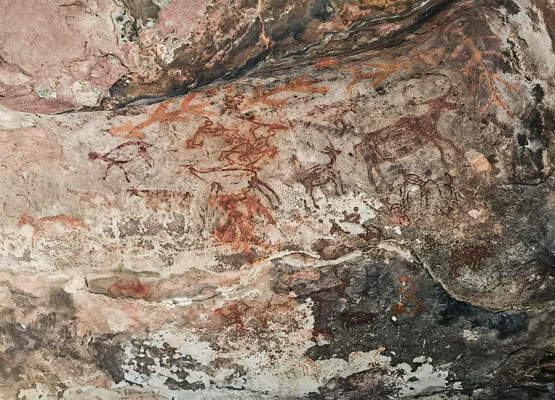
As societies evolved into the Mesolithic period, the artwork began to reflect community life.
Paintings from this time depict dancing groups, hunting parties, and communal celebrations. These scenes suggest the development of cooperation, shared resources, and collective identity.
The shift in themes reveals how early humans gradually moved from mere survival toward more structured social living.
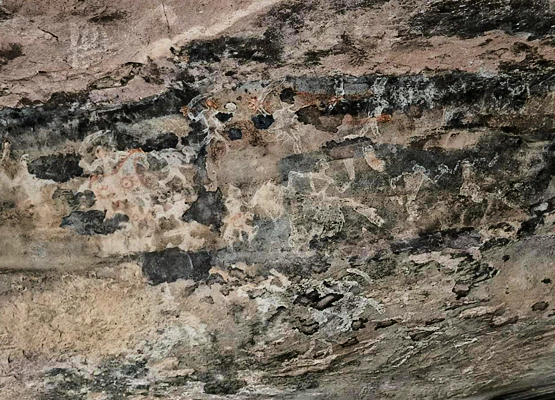
Later paintings from the Chalcolithic period introduce greater artistic complexity. Geometric patterns, decorative motifs, and symbolic imagery begin to appear.
These elements suggest evolving religious practices and social hierarchies.
Interestingly, some paintings from the medieval period were also added to the shelters. These include battle scenes, riders on horseback, and symbols of conquest. Such additions reflect the influence of later kingdoms and historical events in the region.
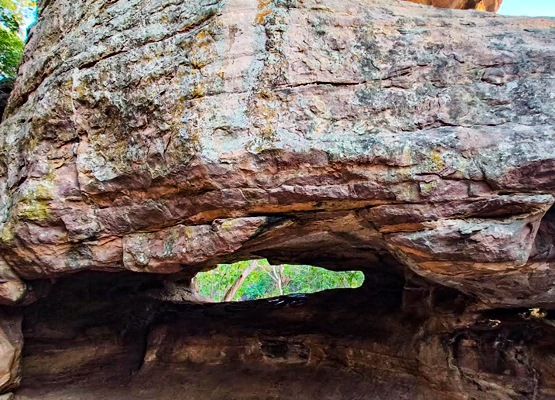
1. Auditorium Cave: One of the most impressive shelters at Bhimbetka, the Auditorium Cave resembles a natural amphitheatre. Archaeologists believe it may have served as a community gathering space for rituals, discussions, or ceremonies.
2. Zoo Rock Shelter: This shelter is famous for its extraordinary collection of animal paintings. Elephants, deer, boars, and various other creatures dominate the walls, offering a glimpse into the wildlife-rich landscape of ancient Bhimbetka.
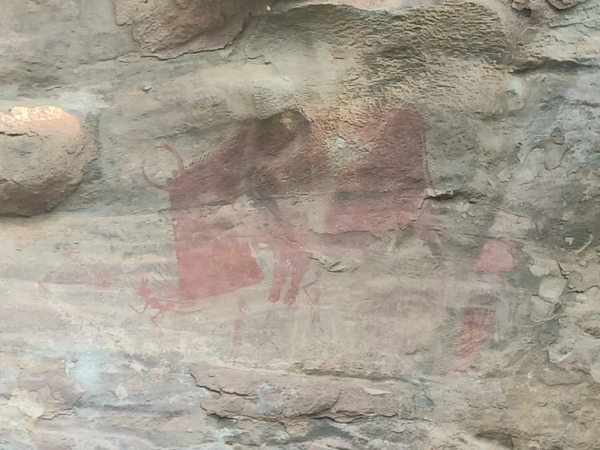
3. Boar Rock: Perhaps the most dramatic painting at Bhimbetka, this artwork shows a massive boar charging toward a human figure. The powerful imagery captures the danger and unpredictability that early humans faced in the wild.
How to reach Bhopal
Bhopal is well-connected by air, rail, and road. Interestingly, Raja Bhoj Airport offers flights to major cities, while Bhopal Junction serves as a central railway hub. National highways make it accessible by road from nearby states.
Getting to Bhimbetka
Bhimbetka lies 45 km south of Bhopal, the capital of Madhya Pradesh, and is easily accessible:
• By Road: An hour’s drive from Bhopal takes you to this historic site. Taxis and private vehicles are the best options.
• By Train: The nearest railway station is Bhopal Junction, which connects to major cities across India. From there, local transport can take you to the caves.
• By Air: The closest airport is Raja Bhoj Airport in Bhopal, well-connected to major Indian cities.
• Wear comfortable walking shoes, as the terrain around the caves can be uneven.
* Carry water, sunscreen, and a hat, especially during warmer months.
* Respect the historical site and avoid touching or damaging the paintings.
* Hiring a local guide can greatly enhance your understanding of the caves and their history.
* The best time to visit is between October and March, when the weather is cooler and pleasant.
The Bhimbetka Caves are far more than a prehistoric art site. They represent a profound connection to humanity’s earliest creative expressions.
Standing inside these ancient shelters, visitors can feel the presence of generations who once lived, worked, and celebrated here. Their stories remain etched into the rock surfaces, silently narrating the beginnings of human imagination.
Bhimbetka is therefore not just a destination. It is a journey into the origins of art, culture, and human history itself.
Enjoyed reading ‘Bhimbetka Caves – Discover the Oldest Art Form of the World’? Drop us a comment and let us know!