Travel Street | Travel Trends 2026: Why Meaningful Journeys Are Replacing Tourism | Globalfashionstreet.com
Where We Go Now Reflects Who We Are! Travel in 2026 is no longer driven by the urge to see more — but by the desire to feel more.
Across continents, the definition of movement is undergoing a subtle yet profound transformation. The modern traveller is stepping away from checklist tourism and gravitating toward journeys that offer resonance — emotional, cultural, even spiritual. Where travel once celebrated spectacle, it now seeks substance.
One of the clearest shifts is the rise of purpose-driven travel. Travellers are increasingly choosing destinations not for popularity, but for personal relevance.
A young professional from London tracing textile traditions in Kutch. A second-generation immigrant visiting ancestral towns in Sicily. Urban creatives spending weeks in Kyoto learning tea rituals rather than sightseeing. These are not holidays — they are identity journeys.
Similarly, artists and writers are opting for residencies in culturally layered regions such as Oaxaca in Mexico or Luang Prabang in Laos, where engagement with local communities becomes part of the travel narrative. Travel is becoming less about arrival and more about understanding.
Luxury travel has shifted from material extravagance to emotional restoration. Across Europe, historic bathhouses in places like Budapest are witnessing renewed interest — not merely as tourist attractions, but as sites of ritualised rest.
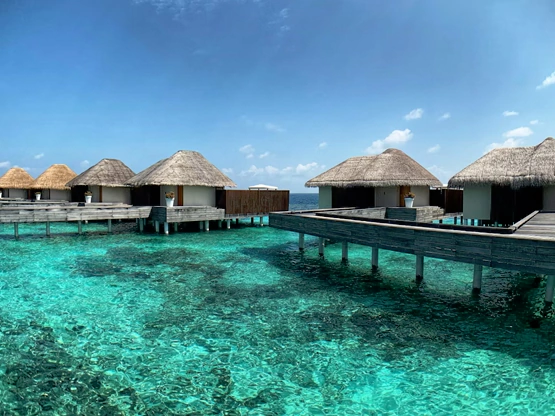
In Bali, wellness retreats now integrate silence walks and forest immersion instead of spa indulgence alone.
In India, Himalayan retreats in Uttarakhand are attracting travellers seeking: sleep recovery, meditation immersion, nature-led healing, This is part of a larger global movement sometimes referred to as “sleep tourism” — where journeys are designed around deep rest rather than activity. Luxury is no longer loud. It is quiet, restorative and intentional.
The overexposure of global hotspots has led travellers to seek anonymity over attention. Instead of Santorini, travellers are exploring lesser-known Greek islands like Milos. Instead of Paris, they are discovering cities like Lyon for its culinary depth.

In India, destinations such as Ziro Valley in Arunachal Pradesh and Spiti in Himachal Pradesh are witnessing mindful footfall — travellers drawn by landscape, culture and pace rather than spectacle. The appeal lies in authenticity. Places that feel lived rather than curated are gaining cultural capital.
Speed is losing its allure. The revival of rail journeys across Europe — from scenic Alpine routes to countryside trains through Scotland — reflects a growing desire to experience transition rather than bypass it.
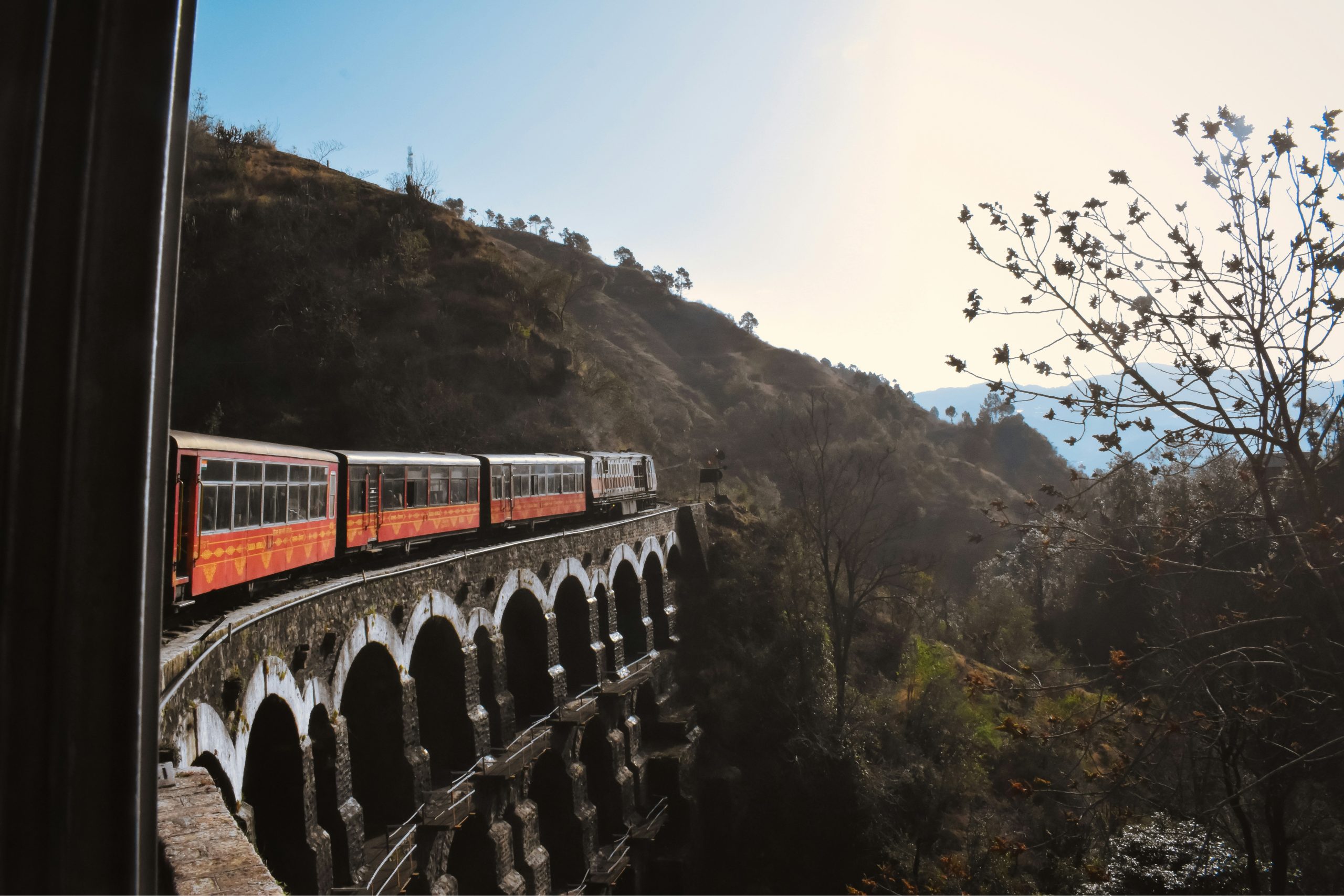
Similarly, travellers are opting for long-stay residencies: A month in a Tuscan village, Seasonal stays in Japanese countryside towns, Extended work-travel combinations in Lisbon. Even within India, multi-week stays in places like Auroville or Goa’s hinterland are replacing quick weekend escapes. Slow travel encourages relationship — with place, people, and rhythm.
An intriguing evolution is the move toward night-centred travel. In regions such as Ladakh and Iceland, travellers are journeying specifically for stargazing experiences — drawn by dark skies and minimal light pollution.

Desert stays in Rajasthan now include guided night walks and sky observation sessions. The night, once considered downtime, is becoming experiential space. Travel is beginning to engage with cosmic wonder.
Food tourism has also moved beyond fine dining into everyday authenticity. Travellers are choosing: local farmers’ markets in Provence, street food trails in Bangkok and neighbourhood bakeries in Istanbul.
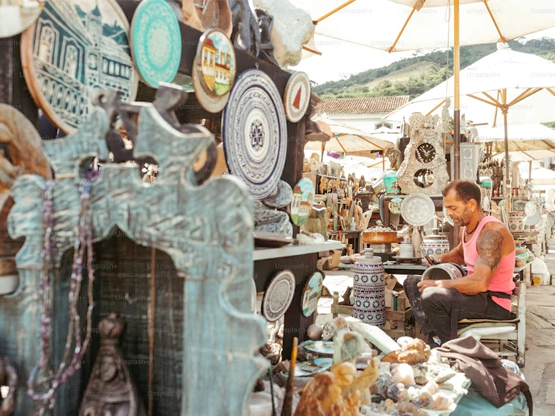
In India, regional thali experiences and millet-based cuisines are drawing interest among global travellers seeking culinary narratives rooted in sustainability. The curiosity lies in context — how food reflects geography, climate and history.
Technology has enabled journeys to be shaped around passions. A literature enthusiast exploring the landscapes of magical realism in Colombia. A design student mapping Bauhaus architecture across Germany. A yoga practitioner combining travel with seasonal retreats in Rishikesh. Travel has become modular — tailored to identity rather than trend.
Travel has become modular — tailored to identity rather than trend. Instead of following prescribed routes, travellers are constructing journeys that reflect who they are — their passions, beliefs and evolving inner narratives. Destinations are chosen to mirror personal meaning rather than global popularity
Environmental awareness is influencing choices more quietly than overtly. Travellers are increasingly: choosing trains over short-haul flights, opting for eco-lodges and travelling less frequently but staying longer.
Nature-based travel — from Nordic forests to Indian mangrove ecosystems — is gaining momentum. The emphasis is shifting from volume to value.
Alongside long immersive journeys, shorter reflective breaks are also emerging. Weekend forest retreats near metropolitan cities. Art residencies in regional towns. Silence retreats within driving distance. These are not escapes from life — but recalibrations within it.
Travel in 2026 is no longer about accumulation. It is about alignment. The traveller is moving from being a spectator to a participant — from consuming places to conversing with them. Journeys are becoming mirrors. And increasingly, what we seek is not a destination — but a deeper relationship with the world we move through.