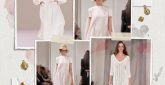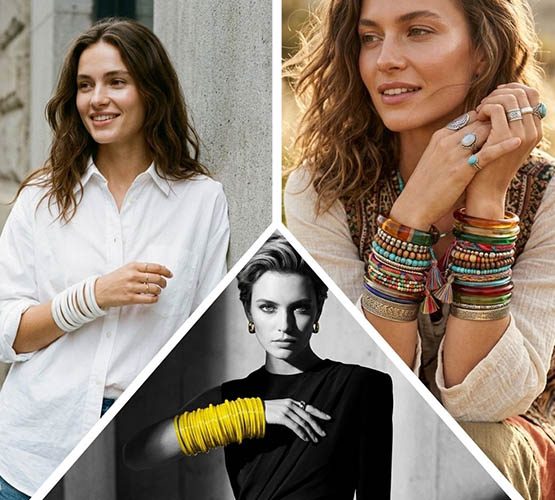
Glass bangles are back in fashion, reimagined across casual, fusion, and couture looks that blend tradition with a distinctly modern edge. There was a time when the soft, melodic clink of these bangles defined everyday elegance—heard in courtyards, markets, and festive gatherings. This sound was especially woven into daily life across Asian countries like India, Pakistan, Sri Lanka, and Bangladesh. Today, that colourful palette is back, but with a sharper, more global resonance.
Glass bangles are no longer just relics of tradition—they are fashion’s newest obsession, reimagined across aesthetics, wardrobes, and identities.
From couture runways to street-style snapshots, the humble glass bangle is being rediscovered—not as nostalgia, but as a powerful styling tool.
In an era fatigued by fast fashion and digital excess, accessories that carry craft, memory, and tactility are making a comeback. Glass bangles offer exactly that—they are imperfect, handmade, and deeply rooted in cultural expression.
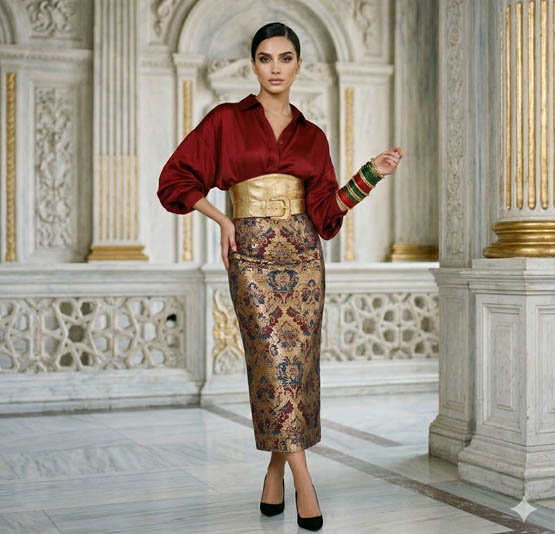
Designers like Sabyasachi Mukherjee have long blurred the lines between heritage and luxury, but now even younger stylists and global creatives are embracing these bangles as a way to add depth and story to contemporary looks.
Glass bangles are no longer confined to festive wear—they are being styled across multiple fashion moods:
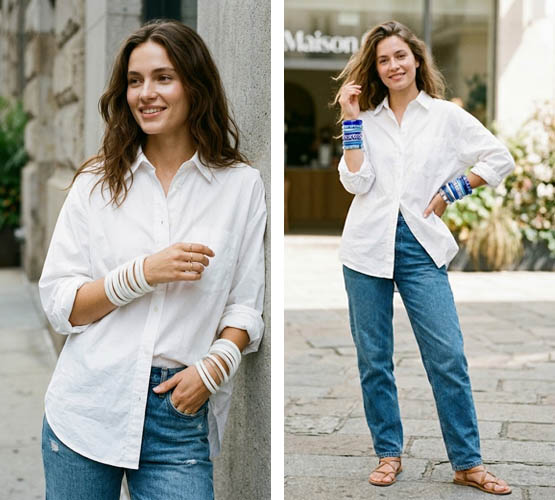
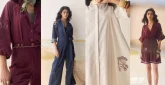
Think effortless, everyday dressing—linen kurtas, oversized shirts, or even a basic white tee and jeans. A few pastel or transparent glass bangles instantly elevate the look, adding a soft, feminine edge without trying too hard. This is minimalism with memory.
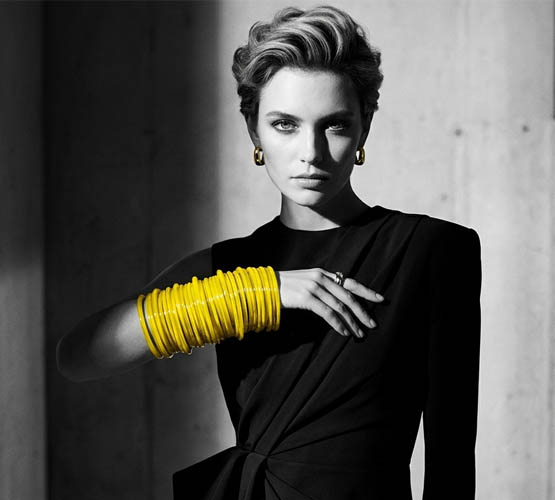
On the editorial front, glass bangles are being stacked dramatically—sometimes in contrasting colours—to create bold, sculptural statements. Styled with structured silhouettes, monochrome outfits, or sharp tailoring, they become the unexpected focal point. The contrast is striking: fragile glass against powerful forms.
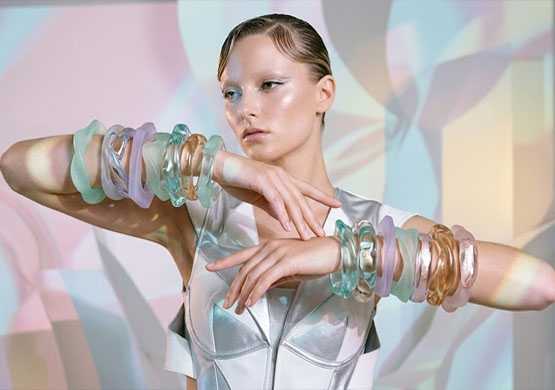
In couture, glass bangles are reclaiming their original grandeur. Bridal and occasion wear is seeing a return of heavily stacked bangles in rich hues—reds, greens, gold-flecked glass—often layered alongside heirloom jewellery. Design houses are using them not just as accessories, but as extensions of the garment’s narrative.
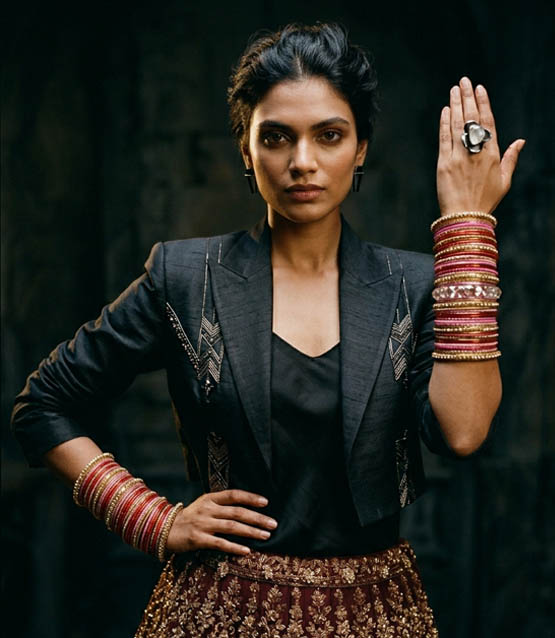
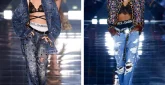
Perhaps the most exciting evolution is in fusion styling. Glass bangles are now paired with blazers, co-ord sets, slip dresses, and even Western evening wear.
The idea is playful—mixing timelines, cultures, and textures. A stack of traditional bangles worn with a sharply cut pantsuit feels both rebellious and rooted.
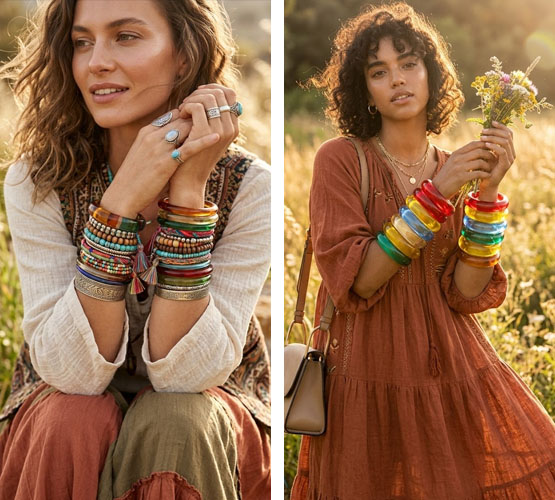
In boho-inspired looks, these bangles find a natural home. Layered with beads, threads, and metallic cuffs, they add colour, rhythm, and movement. Imperfection becomes part of the aesthetic. This is where they look most resilient—unstructured, expressive, and personal.
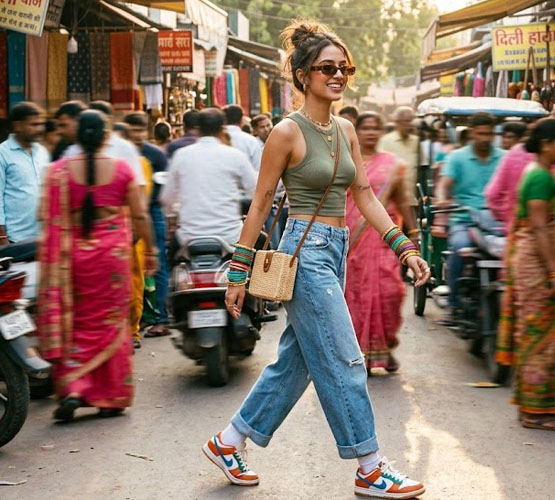
The journey of glass bangles—from the fiery furnaces of Firozabad to high-fashion imagery—is a story of transformation. Once produced for local markets and rituals, they are now stepping into global fashion conversations.
What makes this revival powerful is not just styling—it’s recognition. Recognition of artisans, of regional craft, and of the emotional weight carried by something so seemingly simple.
The comeback of glass bangles signals something deeper than a passing trend. It reflects fashion’s renewed interest in authenticity—where objects are not just worn, but felt.
In every delicate circle lies a quiet assertion: that style can be both modern and meaningful, global and deeply personal. And as wrists begin to shimmer again, one thing is certain—Glass bangles aren’t just back. They never really left.