Fashion Street | Latest Denim Trends 2026: Why Denim Is Fashion’s Most Democratic Fabric | Global Fashion Street
Few fabrics in fashion have travelled as widely across class, geography, profession, and age as denim. Born in utility, adopted by rebels, embraced by designers, and now reimagined through sustainability, denim remains the most democratic textile in the modern wardrobe. Denim belongs to everyone.
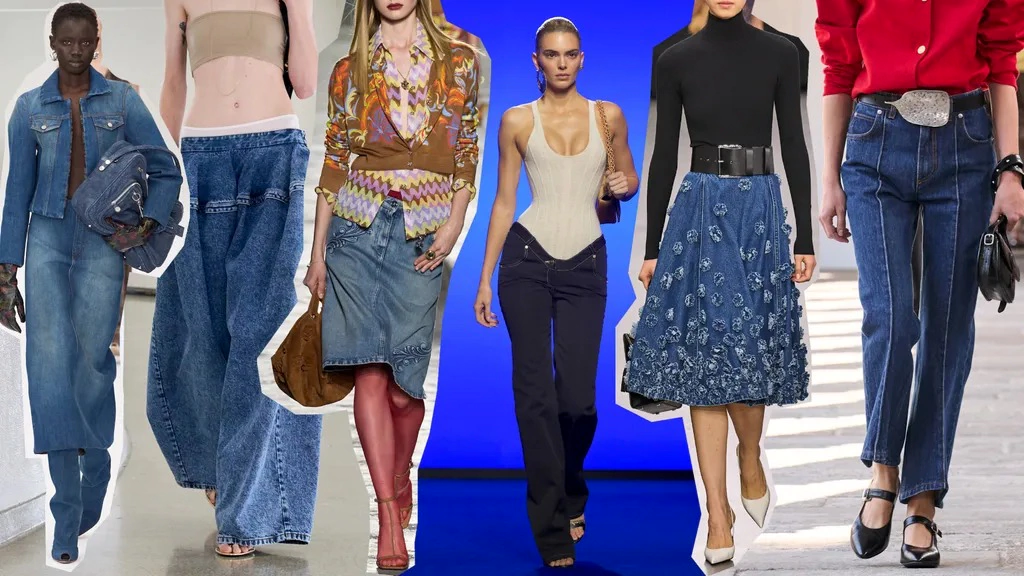
Today, denim moves effortlessly between street corners and couture runways. It can be worn by farmers, artists, students, and CEOs alike — sometimes in the same silhouette. And this is exactly what makes denim fashion’s most democratic fabric.
Yet, denim is not static. With each generation we witness a new language of denim be it a technological innovation or a new silhouette. From utility to couture, rebellion to sustainability, denim continues to mirror the societies that wear it.
Denim’s story begins not in fashion ateliers but in workyards. The sturdy cotton twill fabric was originally designed to withstand physical labour, making it ideal for miners, railway workers, and farmers in the nineteenth century. Durability rather than style defined its early appeal.
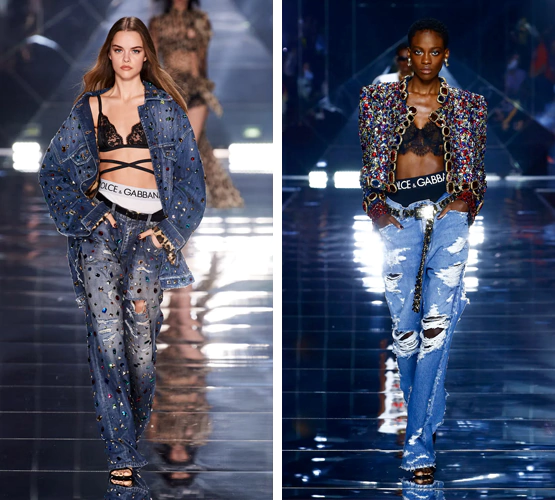
What began as practical clothing eventually entered mainstream fashion in the twentieth century as cultural shifts made casual dressing more acceptable. The transformation was gradual yet powerful. Denim moved from industrial clothing to everyday attire, eventually becoming one of the most widely worn fabrics in the world.
Today, brands continue to build upon this heritage while reinterpreting it for contemporary audiences
If utility gave denim its foundation, rebellion gave it cultural meaning.
In the mid-twentieth century, denim became associated with youth counterculture. Film icons, musicians, and students adopted jeans as a visual rejection of rigid dress codes and social conventions. Denim symbolized independence, informality, and self-expression.
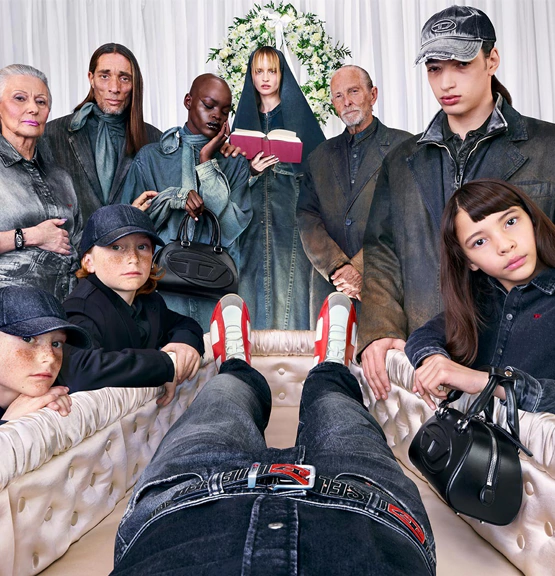
This rebellious aura continues to shape contemporary fashion narratives. From punk subcultures to hip-hop movements and skate culture, denim has remained the unofficial uniform of individuals who challenge the status quo.
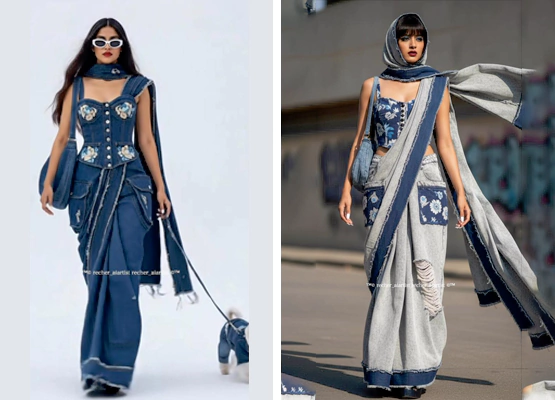
Even today, celebrities and fashion personalities continue to reinterpret denim in ways that echo its rebellious roots. Take for example the Y2K-inspired denim capsule created in collaboration with the Italian brand Miss Sixty, reflecting how nostalgia and youth culture continue to reshape denim aesthetics.
The rebellious spirit of denim lies in its accessibility. Unlike luxury garments that signal exclusivity, jeans are meant to be worn, distressed, altered, and personalised.
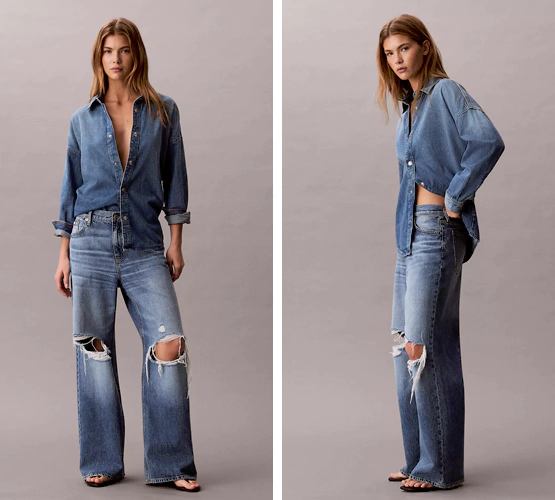
In other words, denim becomes more meaningful the more it is lived in.
Contemporary fashion proves that denim is never stagnant. Each decade reshapes the fabric according to shifting cultural moods.
Today’s denim landscape is remarkably diverse. Wide-leg silhouettes, oversized jackets, denim-on-denim styling, patchwork constructions, and sculptural skirts dominate both street style and runways. The once rigid idea of jeans has expanded into a full wardrobe language.
Designers are also experimenting with decorative techniques that transform denim into something far more expressive. Embroidery, embellishments, and appliqué details have become prominent across collections, turning classic jeans into statement pieces.
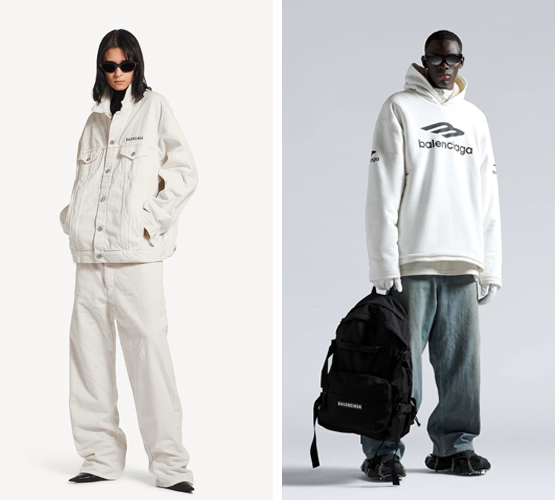
Indian designer Dhruv Kapoor’s Spring/Summer 2026 collection offers a compelling example. His denim pieces incorporate oversized silhouettes combined with embellishments and prints inspired by traditional Indian garments such as kurtas and bandhgalas.
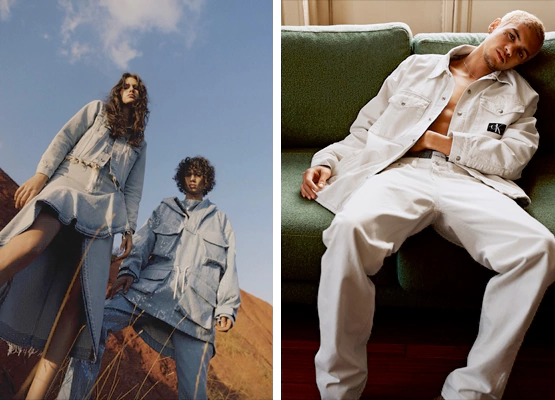
The result is denim that feels less like everyday clothing and more like a narrative textile — a fabric capable of absorbing cultural references from across the world.
Perhaps the most fascinating chapter in denim’s journey is its entry into haute couture.
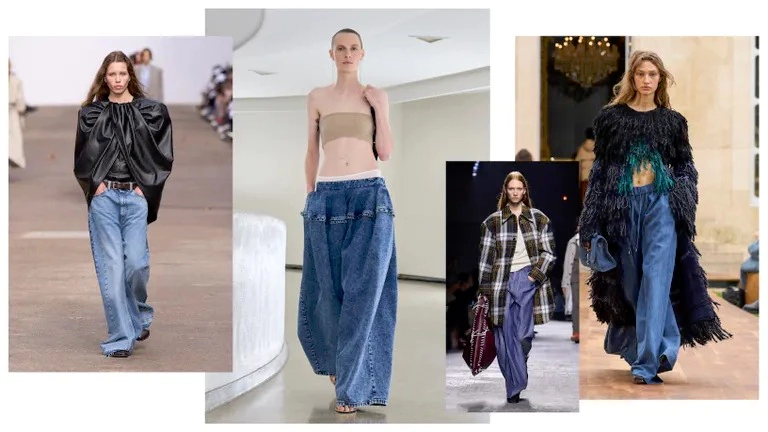
Once dismissed as too casual for luxury fashion, denim is now treated by designers as a canvas for experimentation and craftsmanship. The couture wand, with its surface ornamentations of every kind, has transformed the fabric into pure glamour.
Luxury houses have reimagined denim with astonishing precision. For instance, some couture collections have presented jeans crafted from finely micro-beaded textiles, dyed in layered shades of indigo to replicate the look of denim while showcasing the meticulous artistry of couture-level embroidery.
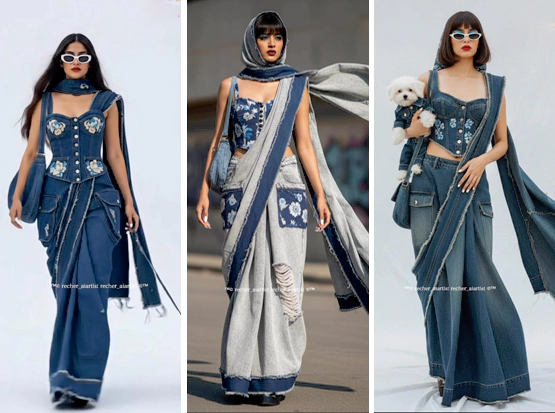
Recent runway presentations continue to demonstrate denim’s versatility. In contemporary couture shows, embellished jeans, denim gowns, and structured jackets appear alongside traditional eveningwear, proving that denim is no longer confined to casual wardrobes.
Jean Paul Gaultier Haute Couture – A dramatic exploration of denim silhouettes reimagined through couture tailoring and theatrical styling.
Valentino Haute Couture – Pierpaolo Piccioli’s atelier demonstrated how intricate embellishment and refined construction can elevate denim into eveningwear territory.
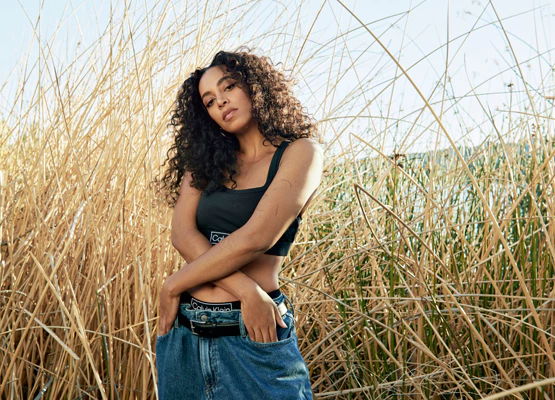
Balenciaga Haute Couture – Demna’s interpretation pushed denim into sculptural forms, blurring the line between everyday clothing and conceptual couture.
Similarly, designers such as Rahul Mishra have introduced elaborate three-dimensional embroidery on denim garments, incorporating motifs inspired by nature and intricate ecosystems.
In these collections, denim becomes less about durability and more about artistic possibility. With embroidery, sculptural silhouettes, experimental washes, and surprising pairings with couture textiles, designers elevate a once practical fabric into a canvas for fashion artistry.
While denim’s popularity continues to grow, the fabric also faces significant environmental challenges. Traditional denim production is known for its heavy water consumption and chemical-intensive dyeing processes.
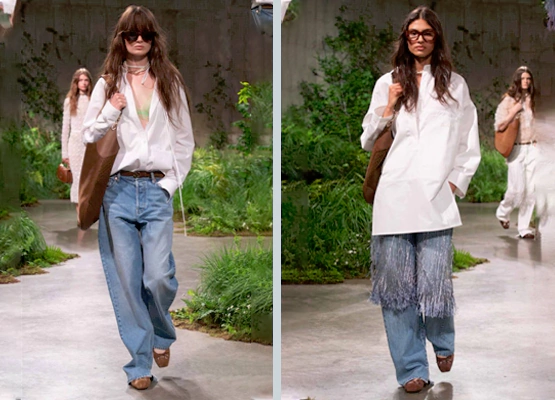
However, the fashion industry is gradually responding with more sustainable approaches. Brands are experimenting with water-saving dyeing technologies, recycled cotton fibres, and circular production systems that reduce waste.
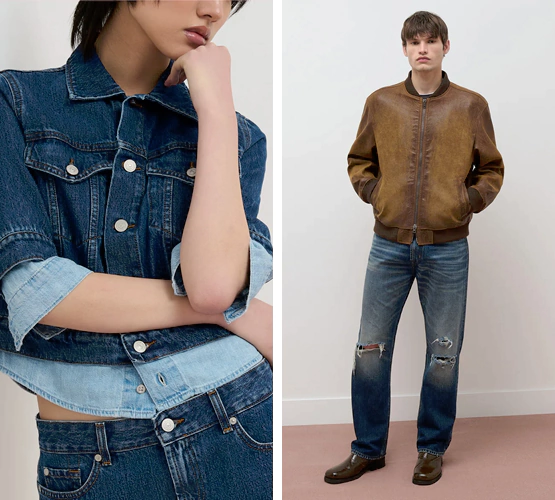
Recent collaborations between sustainable fashion labels and denim manufacturers also reflect this shift. A recent capsule collection by the Los Angeles denim label AGOLDE and designer Maria McManus combines craftsmanship with sustainability, emphasising responsible production and timeless design.
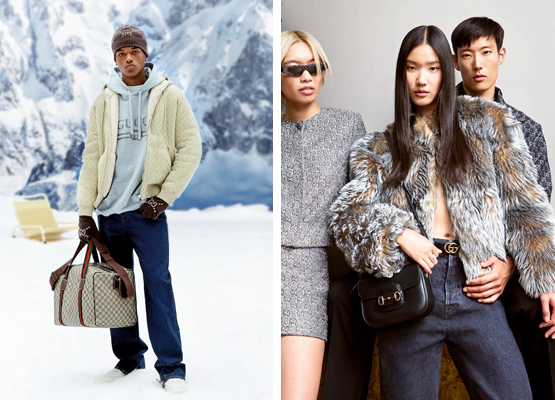
As consumers become more environmentally conscious, denim is increasingly being reimagined through the lens of slow fashion — encouraging longevity, repair, and reuse rather than rapid consumption.
Perhaps the most intimate aspect of denim lies in how it evolves with the wearer.
Unlike most garments, jeans physically record the movements of the body. Creases, fades, and wear patterns gradually develop over time, turning a simple pair of jeans into a deeply personal artifact.
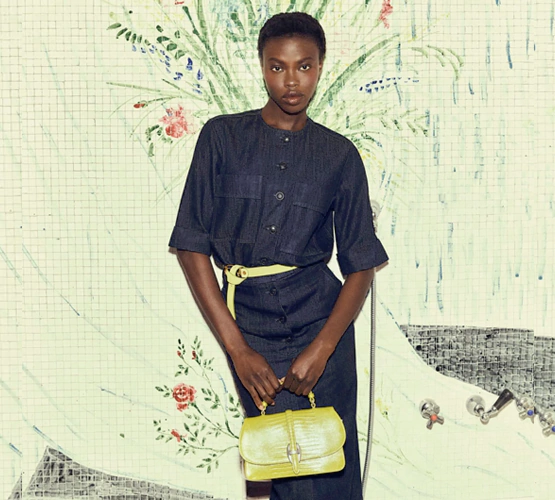
For this reason, many denim enthusiasts consider their favourite pair almost irreplaceable. Each mark and discoloration reflects daily life — travel, work, leisure, and memory.
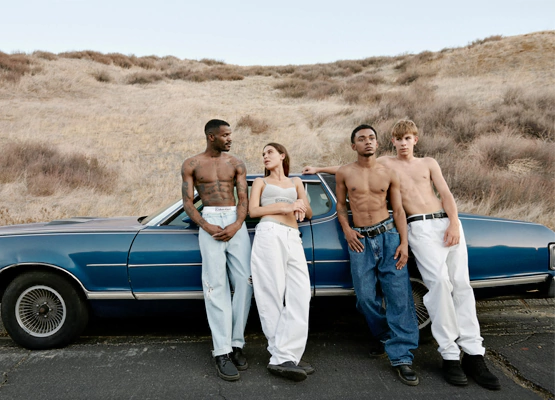
This ability to accumulate personal history may explain why denim continues to endure despite constantly changing fashion cycles. Trends may shift, silhouettes may evolve, but the emotional relationship people share with denim remains remarkably consistent.
Denim, in many ways, for many people across the globe, has become a second skin!
It remains one of the rare garments that truly belongs to everyone — crossing boundaries of class, geography, and profession with ease. Perhaps that is denim’s greatest strength. It is not merely a fabric but a cultural language, one that evolves with every generation while retaining its essential democratic spirit.
Enjoyed reading ‘Latest Denim Trends 2026: Why Denim Is Fashion’s Most Democratic Fabric’? Drop us a comment and let us know!