The Devil Wears Prada 2 Review begins exactly where nostalgia meets reinvention — stepping back into the ruthless world of fashion, media, and Miranda Priestly with cerulean-tinted elegance and surprising emotional depth.
Twenty years after The Devil Wears Prada became more than a film — a fashion lexicon, a workplace survival manual, and pop culture scripture — The Devil Wears Prada 2 arrives carrying impossible expectations in a designer tote.
Directed once again with polished sophistication and emotional restraint, the sequel understands one thing perfectly: nostalgia alone is never enough. The original was iconic because it understood power, vanity, ambition, and the terrifying elegance of relevance. The sequel knows the battlefield has changed. Fashion is no longer merely about trends. It is about survival.
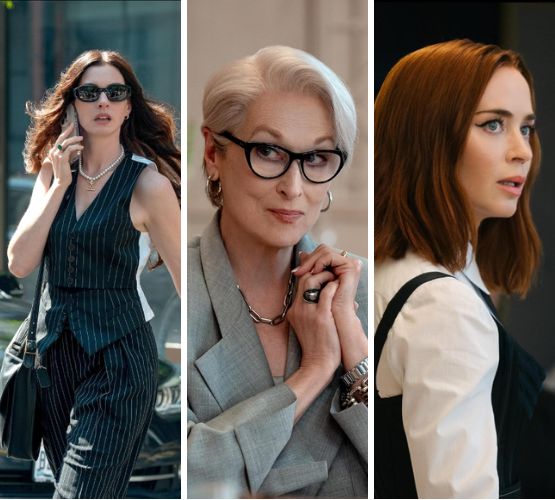
And after months of commotion, speculation, leaks, runway gossip, and meme-worthy anticipation, DWP2 opened to packed halls on first-day-first-show. If Michael has been the highest grosser till date, The Devil Wears Prada 2 looks fully prepared to create history of its own.
Dior and Dolce have milked it well. The fashion Houses have cleverly blurred the line between cinema and couture by weaving portions of their actual runway presentations directly into the film’s visual language. Rather than merely dressing the characters, the brands turned The Devil Wears Prada 2 into an extended moving runway where fashion itself performs as part of the narrative.
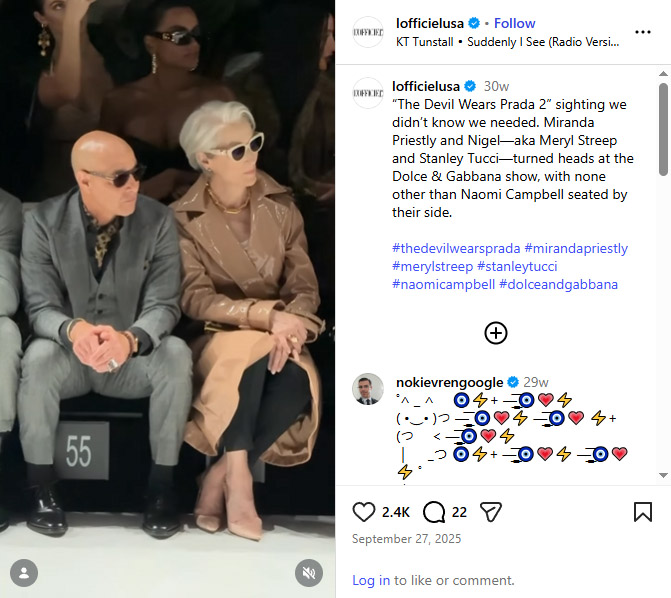
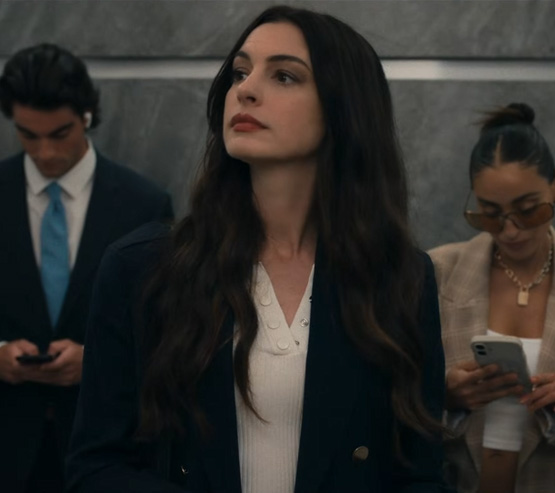
The brilliance of the sequel lies in its refusal to tamper with chemistry that already bordered on perfection. Meryl Streep returns as Miranda Priestly with that glacial precision only she can weaponise. Anne Hathaway slips back into Andy Sachs with a maturity that feels earned rather than performed. Emily Blunt, perhaps the sharpest delight of the film, returns transformed — no longer merely the trembling assistant desperate for Paris, but an evolved media force now operating under the commanding identity of “The New Emily.”
The casting continuity is comforting, but the emotional evolution is what gives the sequel its pulse.
The film beautifully and subtly threads iconic visual callbacks into its narrative without becoming self-indulgent fan service. Although, personally, I felt the screen was moving almost too fast, rushing from one impeccably styled moment to another before the emotions could fully settle in.
The two cerulean blue belts appear in the opening sequence like a whispered memory to longtime fans. Much later, Andy appears wearing a cerulean blue sweater — an understated but emotionally loaded callback to one of cinema’s most unforgettable fashion monologues.
The reference is clever because it understands the audience. It doesn’t scream nostalgia. It lets nostalgia walk elegantly into the room wearing cashmere.
What truly elevates DWP2 beyond sequel territory is its central anxiety: the collapse of legacy media.
The film openly confronts the brutal transition from print to digital, and now from digital to algorithmic culture. Fashion magazines that once dictated taste are now competing against influencers, AI-generated aesthetics, click metrics, and disappearing attention spans.
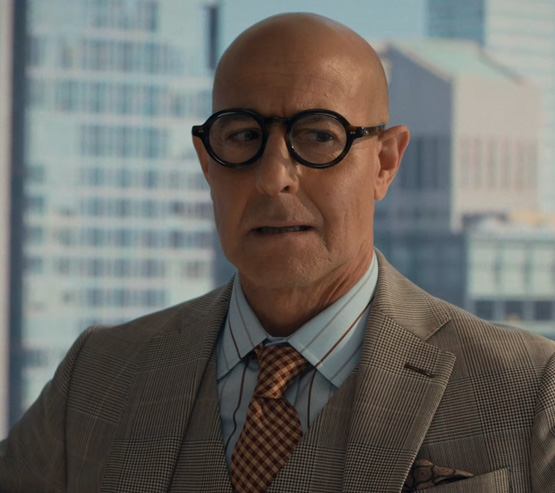
The struggle for media survival feels painfully real because it is real. Journalism is dying — or at the very least mutating into something even its creators no longer fully recognise.
One of the film’s strongest lines arrives like a warning flare:
“The world is changing and charging at us like the lava of Pompeii.”
It is not merely about magazines. It is about irrelevance. About industries watching themselves become archives in real time.
The sequel cleverly uses the now-famous Diet Coke motif — heavily used in the film’s promotional campaign — as both humour and emotional shorthand. Andy’s interactions around it become a recurring reminder that rituals survive even when industries collapse.
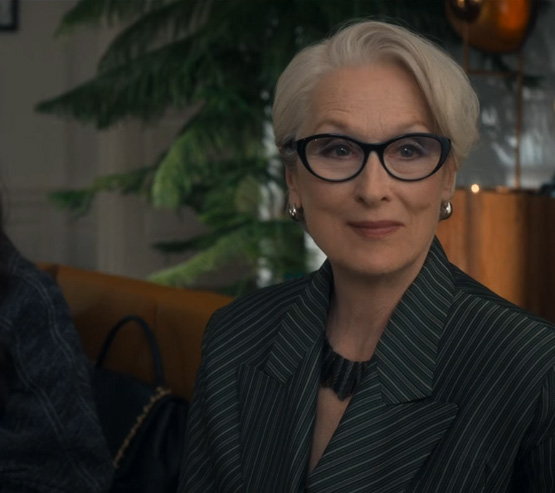
And beneath the wit lies a quiet acknowledgement of the original writer’s efforts — the very DNA that made the first film culturally immortal. The screenplay respects that legacy without embalming it.
If the first film gave us icy silences and lethal glances, the sequel gives us corporate warfare disguised as mentorship.
The film’s game-changing dialogue arrives when Miranda tells Emily:
“You are not a visionary. You are a vendor.”
It lands with the sharpness of a stiletto heel on marble flooring.
The line is not just about fashion. It is about every creative industry currently negotiating commerce, identity, branding, and authenticity.
From silk scarves to sharply reimagined power suits, DWP2 understands that fashion in this universe is never decoration. Even ties are styled in more ways than one — symbolic of power structures tightening, loosening, evolving.
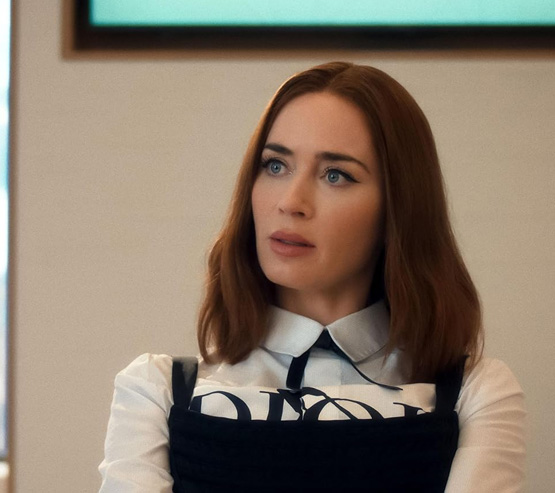
The styling is less theatrical than the original film but far more intelligent. Clothes here are emotional armour.
And perhaps this is where audiences may divide.
Miranda Priestly’s fierceness feels toned down. The ferociousness we once loved — feared, even — is softer around the edges. The sequel attempts to humanise her more openly, and while that adds emotional depth, it occasionally dilutes the terrifying authority that made Miranda iconic in the first place.
They have, quite literally, belled the cat.
Yet maybe that is the point. Even titans age. Even empires adapt.
The Devil Wears Prada 2 is not trying to recreate the original. It is trying to examine what remains after the glamour ages, after industries fracture, after print fades, after relevance becomes currency.
And surprisingly, that makes it feel less like a fashion sequel and more like a cultural time capsule of a world in transition.
The cerulean references sparkle. The performances hold steady. The dialogue still cuts glass. And beneath all the couture, there is genuine melancholy about creative industries trying desperately not to disappear.
And before you ask — no, there are no post-credit scenes. Don’t waste your time.
And Emily… umm, that’s all.
Drop us a coment if you have an opinion otherwise on – ‘The Devil Wears Prada 2 Spoiler Free Review and Why its Absolutely Worth Your Time’