Travel Street | What is the growing trend of Digital Nomads and why are the countries giving special visas to them | Global Fashion Street
Somewhere between a boarding pass and a browser tab, a new kind of professional has emerged—the Digital Nomad.
No longer confined to cubicles or city limits, this global workforce operates from cafés in Lisbon, co-working studios in Bali, and mountain-view apartments in Himachal.
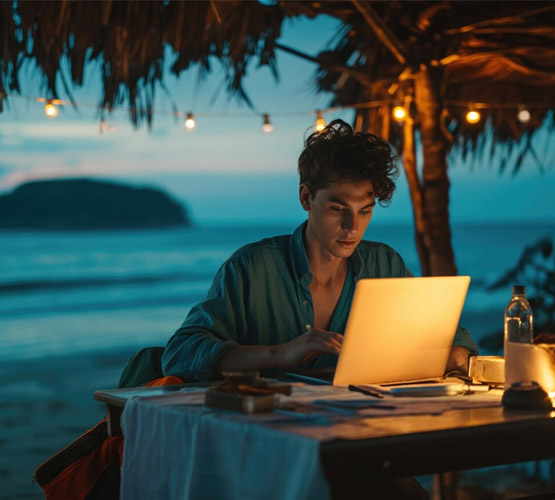
What once appeared to be a fringe lifestyle has now evolved into a legitimate economic and cultural force. Digital nomads are not taking a break from work—they are redefining how work fits into life. In doing so, they are reshaping long-held ideas about careers, productivity, and stability.
The stereotype of the digital nomad as a young freelancer hopping between countries is rapidly fading. Today’s nomads include consultants managing international clients, designers building independent brands, and tech professionals working full-time remote roles. Even corporate employees are negotiating location flexibility as part of their contracts.
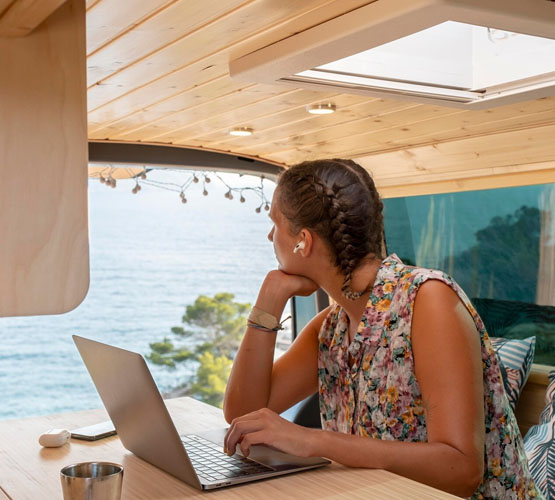
More significantly, digital nomadism is no longer just a phase—it is becoming an identity. It reflects a conscious shift toward autonomy, experience-led living, and a broader definition of success. Work is no longer the centre around which life revolves; instead, it is being redesigned to support it.
In response to this growing movement, countries across the world are introducing digital nomad visas—special permits that allow remote workers to live and work legally for extended periods without entering the local job market.
This is not simply an act of openness; it is a strategic move.
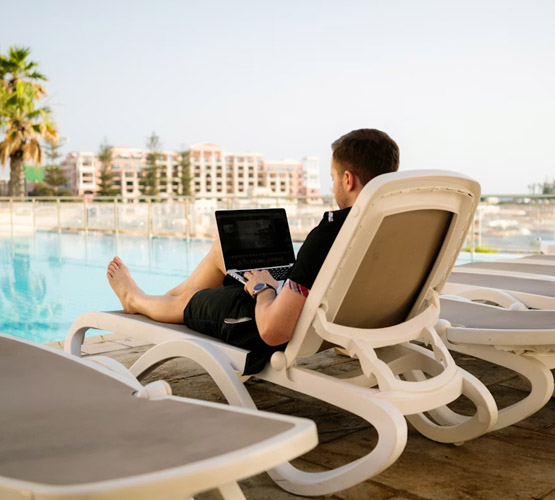
Unlike traditional tourists who visit for short periods, digital nomads stay longer and spend more consistently. They rent apartments, frequent local businesses, and integrate into neighbourhood life. For governments, this translates into steady economic contribution rather than seasonal spikes.
One of the most compelling advantages of digital nomads is that they typically earn income from companies based outside the host country. This means they contribute to the local economy without competing for domestic jobs.
It is a model that benefits both sides—offering financial inflow for the country and lifestyle flexibility for the individual.
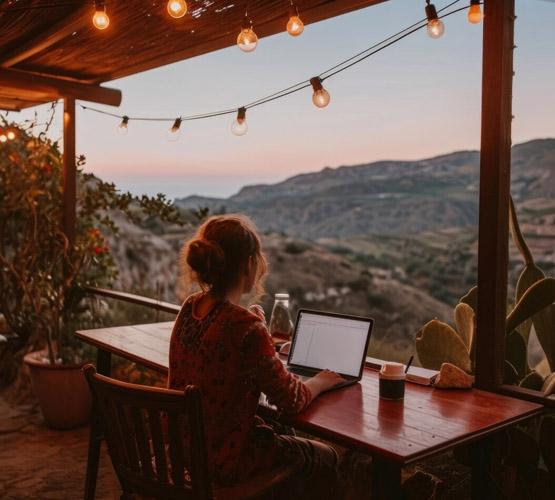
Attracting digital nomads is also about global perception. Countries that offer flexible visa policies position themselves as progressive, forward-thinking, and adaptable to the future of work.
In a world where talent is increasingly mobile, nations are no longer just competing for investment—they are competing for people.
Interestingly, the focus is not limited to major metropolitan centres. Smaller towns and emerging cultural hubs are being developed as nomad-friendly destinations. With lower costs and higher quality of life, these locations offer an alternative to crowded urban spaces.
This shift is gradually redistributing attention—and economic activity—across regions.
If early digital nomadism was defined by constant movement, the current phase is marked by stillness.
A growing number of professionals are embracing what is now called “slow nomadism”—choosing to stay in one destination for several months instead of moving frequently. This allows for the development of routines, deeper cultural engagement, and a stronger sense of community.
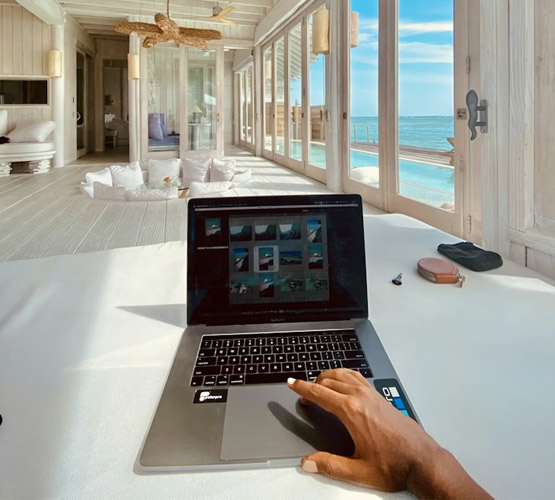
It also reflects a more sustainable approach to travel, both mentally and environmentally. The focus is no longer on how many places one can visit, but on how meaningfully one can experience them.
Digital nomadism is influencing more than just work patterns—it is shaping lifestyle choices and personal aesthetics.
There is a noticeable move toward minimalism and functionality:
This emerging aesthetic reflects a quiet, understated luxury—one that prioritises ease, adaptability, and intention.
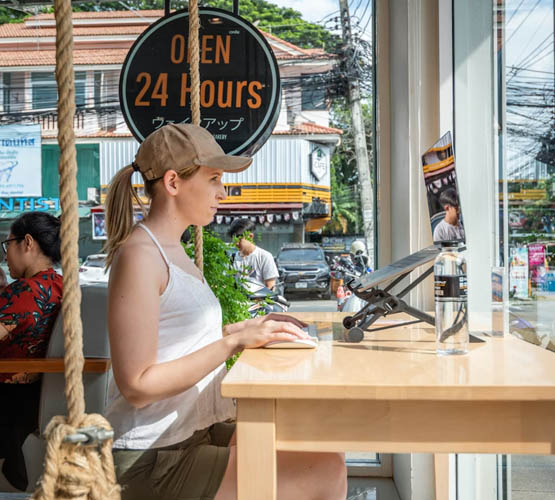
The Reality Check: Between Freedom and Complexity
Despite its appeal, the digital nomad lifestyle is not without its challenges. Navigating visa requirements and tax obligations can be complex. Time zone differences often blur the boundaries between work and rest. There is also the emotional aspect—frequent movement can lead to a sense of disconnection or lack of permanence.
Additionally, as the trend grows, popular destinations are becoming more expensive, and some companies are tightening remote work policies, introducing more structure into what was once seen as complete freedom.
A Glimpse Into the Future of Work
The rise of digital nomads signals a deeper transformation in how work is understood and organised. It suggests a future where:
In this evolving landscape, the digital nomad is not an outlier—they are a prototype of the modern professional.

They are not stepping outside the system. They are reshaping it—quietly, deliberately, and across borders.
In a world that once equated stability with staying in one place, the digital nomad offers a different perspective—that movement, when intentional, can be its own form of grounding.
Enjoyed Reading? “What is the growing trend of Digital Nomads and why are the countries giving special visas to them.” Drop a comment and let us know.