Scroll first, taste later—that’s the unspoken rule of the Instagram age. In a world where plating can matter more than palate, certain foods have achieved cult status not because they tasted extraordinary, but because they looked irresistible on camera. Welcome to the era of “aesthetic eating,” where colour gradients, gooey pulls, and sculptural swirls often precede flavour.
Viral food trends today are less about what tastes good and more about what looks irresistible, sparks curiosity, and demands to be shared instantly. This isn’t to say these foods are bad—far from it. But their meteoric rise owes less to culinary innovation and more to visual seduction. They are dishes designed as much for the feed as for the fork.

Food has always been visual, but social media turned it performative. Platforms like Instagram and TikTok reward immediacy and spectacle—melting cheese, dripping sauces, perfectly symmetrical layers. The result? A new category of dishes engineered for virality.
Chefs, home cooks, and brands alike began asking a different question: Will this photograph well? Taste became the second act.
“In our trade, we always say eyes eat first. Therefore, the overall eye appeal has to be in tune with the latest trends so that the dish stays relevant. Having said that, flavour still has to close the deal. Across India’s key food markets, we are seeing dishes which really excite your visual senses, a good example would be matcha drinks, kunafa desserts, deconstructed tiramisu, and other highly stylised creations by chefs, and they catch your attention first because they photograph beautifully.”
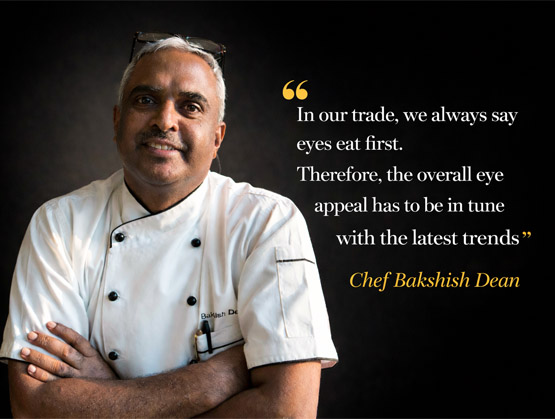
“There is nothing wrong with visual appeal; food should always excite the eye. The real test begins with the aroma when you bring the dish closer, followed by the first bite. If flavour, texture, and integrity do not support the image, the dish is sadly just content. Therefore, good cuisine is way beyond what meets the eye!” reflects Chef Bakshish Dean, a defining voice in India’s contemporary culinary landscape for more than 3 decades.
Some dishes didn’t just go viral—they practically staged a photoshoot first, letting their looks do all the talking before the first bite even mattered. Here’s a list of 10 such real eyebrow raisers:
A crystal-clear, water droplet-shaped dessert that looked like edible glass. Stunningly minimal and almost meditative.
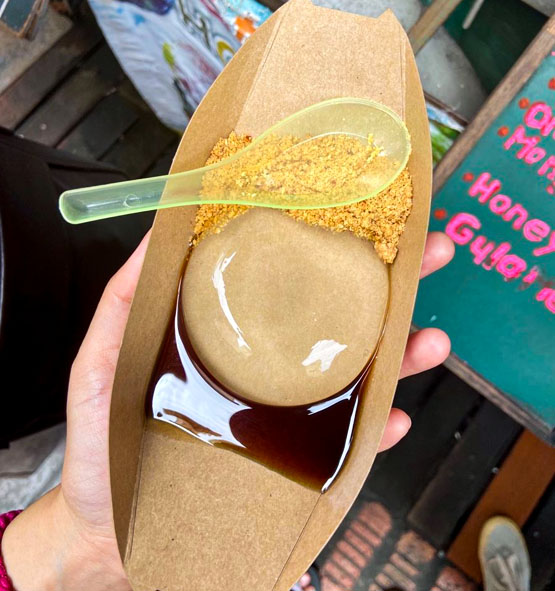
Taste verdict: Extremely subtle—more about texture than flavour. It melted away before it could impress the palate.
Swirls of purples, blues, and edible glitter turned simple donuts into cosmic art.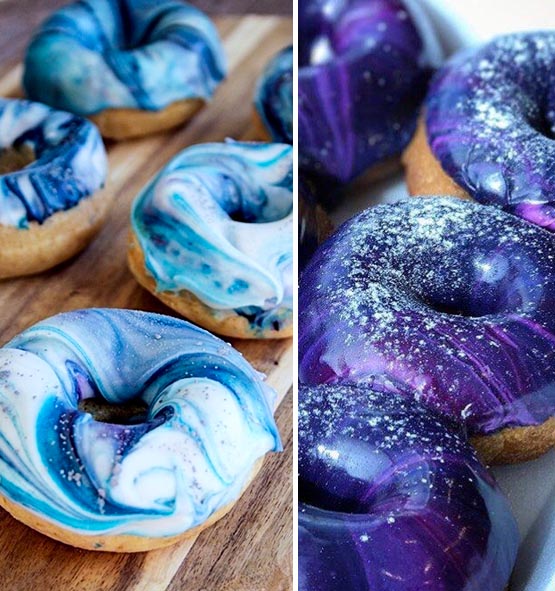
Taste verdict: Standard donut underneath. The glaze looked magical but often leaned overly sweet
A layered drink topped with a thick, creamy cheese foam—visually intriguing and slightly confusing.
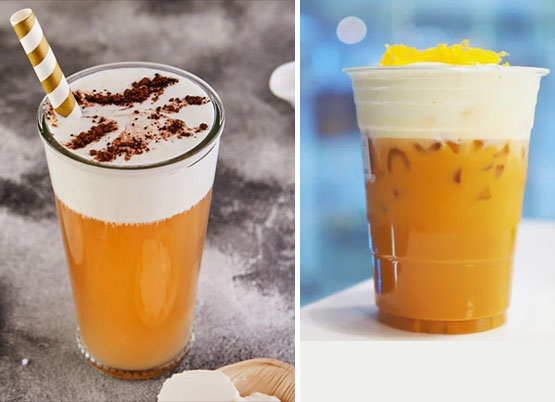
Taste verdict: Surprisingly good for some—sweet, salty, creamy contrast—but not universally loved.
Flattened, scraped, and rolled into delicate curls right in front of you. The making process was the real show.
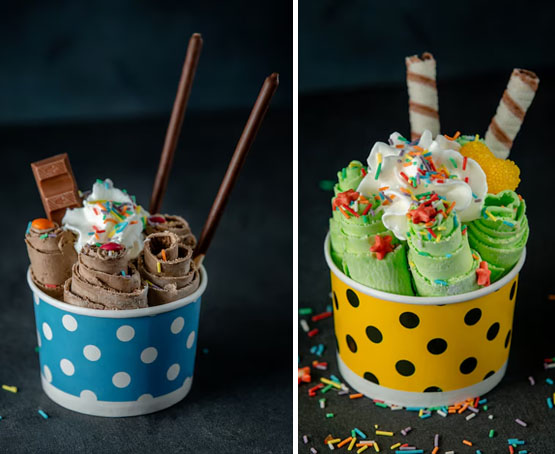
Taste verdict: Decent, but often overshadowed by the performance.
A giant sheet of cotton candy wrapped around ice cream and toppings. Dreamy, pastel, and whimsical.
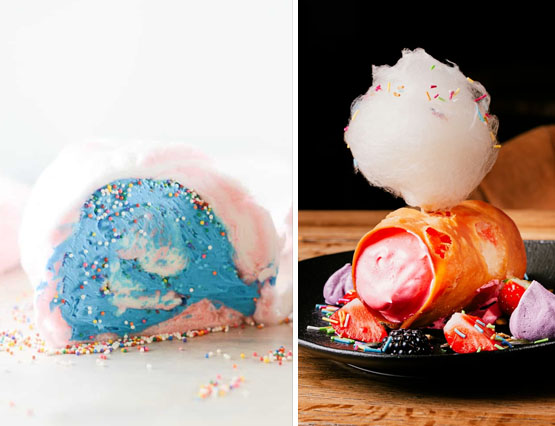
Taste verdict: Pure sugar rush—fun for a few bites, overwhelming after.
The humble avocado toast elevated into edible art with meticulously carved avocado “roses.”
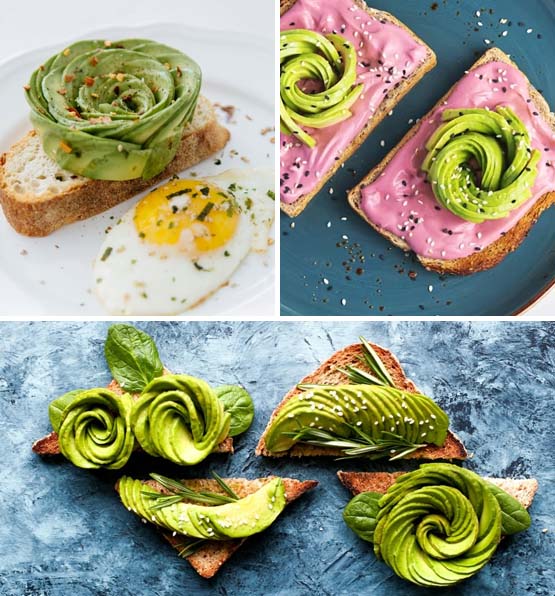
Taste verdict: Still just avocado toast—but prettier and pricier.
Cakes, ice creams, even coffees adorned with edible gold leaf for ultimate opulence.
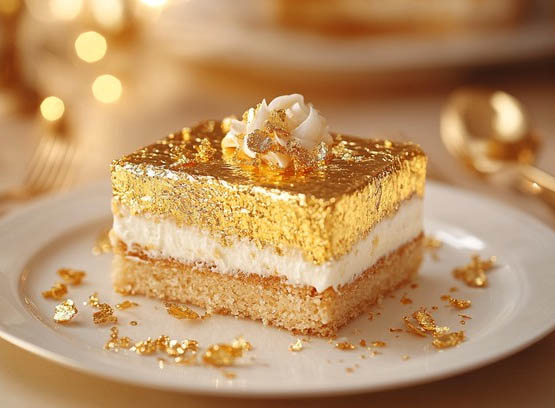
Taste verdict: Gold adds no flavour—just a hefty bill and bragging rights.
A grilled sandwich oozing multicoloured cheese when pulled apart—pure visual theatre.
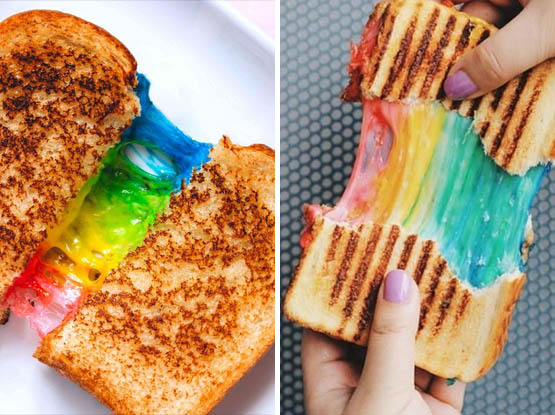
Taste verdict: Essentially regular cheese, sometimes compromised by colouring agents.
Hybrid pastries shaped into cubes or pressed like waffles—geometric and irresistible.
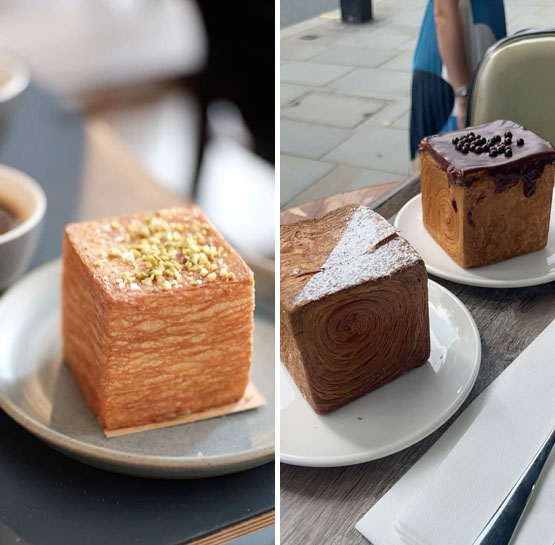
Taste verdict: Some genuinely delicious, others leaned gimmicky depending on execution.
Glossy, reflective cakes that looked like edible glass sculptures. The technique was impressive, but the glaze itself was often overly gelatinous and sweet, prioritising shine over flavour balance.
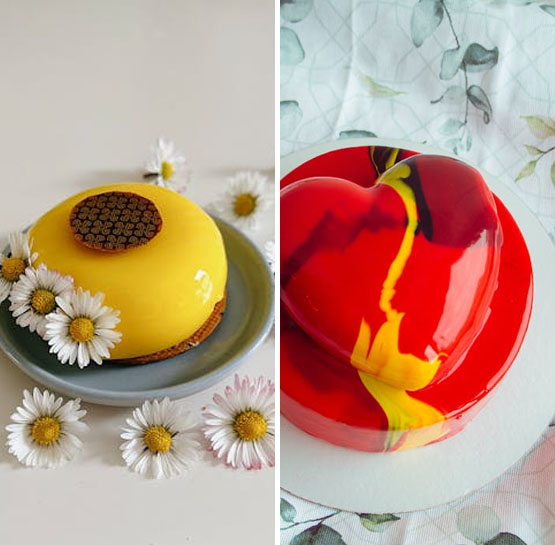
Taste verdict: Impressive to look at, but not always memorable to eat.
Why do we fall for aesthetic foods so easily? Because we eat with our eyes first—now more literally than ever. Bright colours signal novelty, symmetry suggests perfection, and movement (think cheese pulls) creates anticipation.
There’s also a deeper layer: aesthetic foods offer a sense of participation. Posting them becomes a social act, a way of saying I was there, I tried this, I’m part of the trend.
Not all viral foods are hollow. Some manage to balance beauty and flavour. Think of artisanal desserts that look sculptural but are rooted in technique, or regional dishes that gain attention for their natural vibrancy rather than artificial enhancement.
The difference lies in intent. Is the dish designed to impress the camera—or the palate?
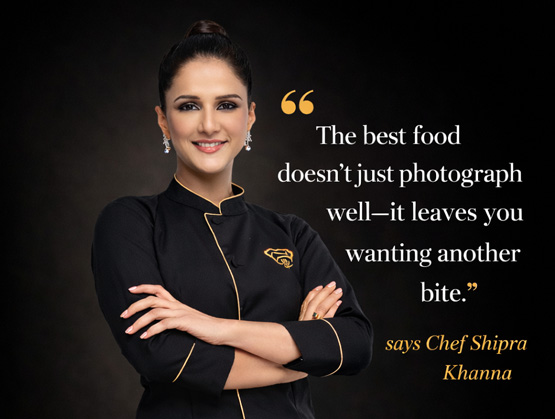
“Today, food often goes viral on Instagram and YouTube before it’s truly experienced on the palate. While visual appeal is important, flavour, balance, and technique are what make a dish memorable. The best food doesn’t just photograph well—it leaves you wanting another bite,” says Chef Shipra Khanna, whose culinary philosophy blends comfort with contemporary flair.
There was a time when food photography was a race against the clock—chefs and stylists capturing dishes at their peak to preserve freshness, texture, nutrition, and true edibility; today, it’s less about what the food is and more about how spectacularly it performs on camera.
Many aesthetic foods follow a predictable lifecycle:
Viral explosion → Mass replication → Taste fatigue → Quiet disappearance.
What remains are a few evolved versions—refined, less gimmicky, and more grounded in flavour.
Interestingly, the backlash has already begun. A growing segment of diners now seeks “ugly delicious” food—dishes that may not photograph well but deliver deeply on taste and authenticity.
Aesthetic foods aren’t the villain—they’re a reflection of how we consume culture today. Fast, visual, and shareable. But as diners grow more discerning, the novelty of looks alone is wearing thin.
Because in the end, no filter can enhance flavour.
Enjoyed reading “What are the Latest Viral Food Trends- Foods That Became Aesthetic Before They Became Edible”? Drop a comment and let us know!