“The lymphatic system rarely announces itself, yet its quiet rhythm influences how we move, recover, glow, and feel.”
Think Lymphatic Drainage. What if the body’s most powerful healing system is also the one we barely talk about? Beneath the skin flows a silent river, quietly shaping our energy, immunity, and sense of well-being every single day.
In the modern pursuit of wellness, we often focus on digestion, sleep cycles, supplements, and skincare while overlooking one of the body’s most essential internal systems—the lymphatic system. Quietly woven through the body like an invisible river, this network plays a crucial role in maintaining balance, immunity, and fluid circulation.

Unlike the cardiovascular system, which relies on the heart to pump blood continuously, the lymphatic system has no central pump. Instead, it depends largely on movement, breathing, muscle activity, and hydration to keep lymph fluid flowing. When this flow becomes sluggish, many people describe feeling heavy, fatigued, puffy, or unusually drained.
Though rarely discussed outside medical or therapeutic settings, lymphatic health is increasingly becoming part of broader wellness conversations—and for good reason.
The lymphatic system is made up of vessels, nodes, and organs that help remove excess fluid, transport immune cells, and filter cellular waste from the body. In many ways, it acts as both a cleansing and defense network, supporting the body’s natural balance.
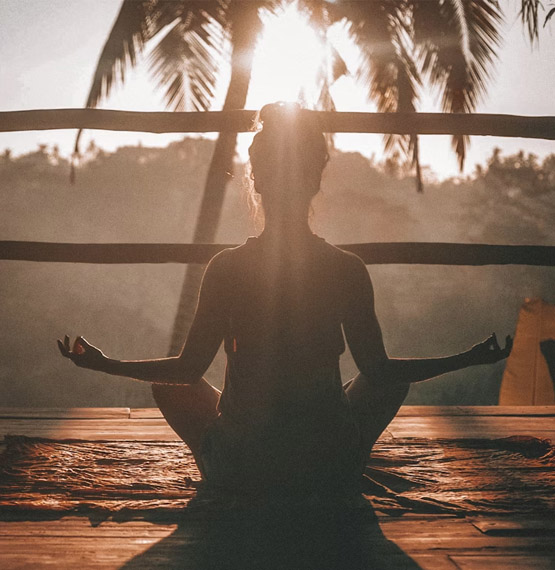
Because lymph fluid moves slowly and without a mechanical pump, physical movement becomes essential. Walking, stretching, deep breathing, and even gentle muscle contractions help encourage circulation throughout the system. Prolonged sitting, chronic stress, dehydration, and sedentary lifestyles, on the other hand, may contribute to stagnation and fluid retention.
This is one reason wellness experts often describe the lymphatic system as a “silent river”—one that thrives through rhythm and consistent movement rather than intensity.
Once associated primarily with physiotherapy and post-surgical recovery, lymphatic drainage has now entered mainstream wellness culture. Social media platforms, wellness clinics, holistic retreats, and recovery-focused fitness spaces have all contributed to growing interest in practices that support lymphatic flow.

At its core, lymphatic drainage refers to gentle techniques designed to stimulate the movement of lymph fluid through the body. These may include manual lymphatic massage, stretching, dry brushing, movement therapies, and breathing exercises. Unlike deep tissue massage, lymphatic drainage is typically slow, light, and rhythmic.
The growing visibility of these practices online has sparked both curiosity and confusion. While some wellness trends exaggerate the idea of “detoxing,” many health professionals view lymphatic support more realistically—as a complementary practice that may help circulation, relaxation, and overall well-being when approached responsibly.
One of the reasons lymphatic drainage has gained attention is its association with reduced sluggishness and improved physical comfort. Many wellness practitioners believe that supporting lymphatic circulation may help the body feel lighter and more energised, particularly after long periods of inactivity, stress, or travel.
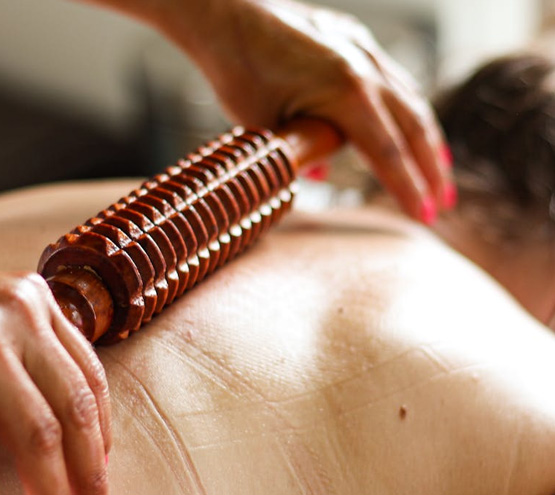
The practice is also frequently linked with temporary reductions in puffiness and fluid retention. Facial lymphatic massage techniques, for instance, are often used to ease swelling and encourage circulation around the eyes, jawline, and neck. While results vary from person to person, the appeal lies in the feeling of release and renewal these rituals can create.
Perhaps most importantly, the lymphatic system plays a central role in immune function. Lymph nodes help filter harmful substances while transporting white blood cells throughout the body. Although lymphatic drainage is not a cure or medical treatment, maintaining healthy movement, hydration, and circulation may support the body’s natural defense mechanisms over time.
Supporting lymphatic health does not necessarily require elaborate treatments. Often, the most effective habits are also the simplest and most consistent.
Daily walks, yoga, stretching, rebounding exercises, and deep diaphragmatic breathing can all encourage healthier circulation. Staying hydrated is equally important, as lymph fluid relies heavily on water balance within the body. Gentle dry brushing before bathing is another popular wellness ritual believed to stimulate surface circulation and exfoliation.
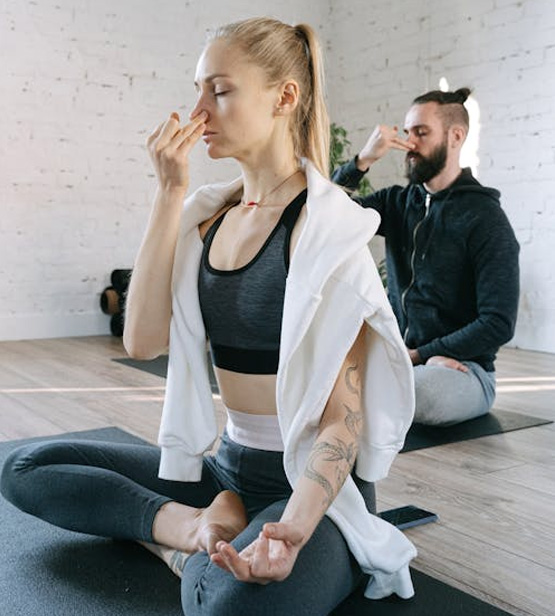
Reducing long hours of inactivity, prioritising rest, and creating small moments of movement throughout the day may also help the body maintain better fluid balance naturally.
At the same time, experts caution against viewing lymphatic drainage as a miracle solution. Individuals with certain medical conditions should seek professional medical guidance before pursuing specialised lymphatic treatments. This includes people with infections, heart concerns, kidney disorders, or unexplained swelling.
The growing interest in lymphatic wellness perhaps reflects a larger cultural shift in how we understand health itself. Increasingly, well-being is no longer seen only through intense workouts, restrictive routines, or dramatic transformations, but through softer practices rooted in consistency, awareness, and recovery.
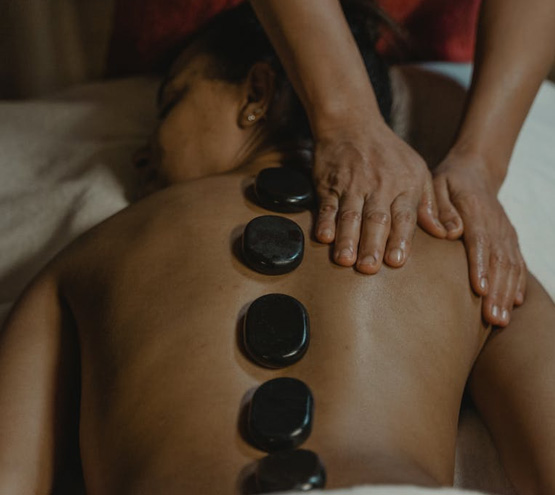
In many ways, the lymphatic system reminds us that the body responds not only to effort, but also to rhythm, breath, movement, and care. Like a silent river within, it works continuously in the background. It is steady, subtle, and essential to the quiet balance of everyday health.
Enjoyed Reading “What is Lymphatic Drainage: Know the Amazing Way this River Flows Inside Us”? Drop us a Comment and let us know.