Fashion Street | Are You Aware of the Best Practices for Sustainable Fashion? | Global Fashion Street.com
Fashion has long been celebrated as a language of identity, culture, and creativity. Yet behind the glamour of seasonal collections and fast-changing trends lies an industry that has become one of the largest contributors to environmental degradation. From excessive water consumption to textile waste and carbon emissions, the modern fashion ecosystem demands a profound recalibration. Sustainable fashion, therefore, is no longer a niche conversation—it is an essential shift in how clothing is designed, produced, consumed, and ultimately valued.
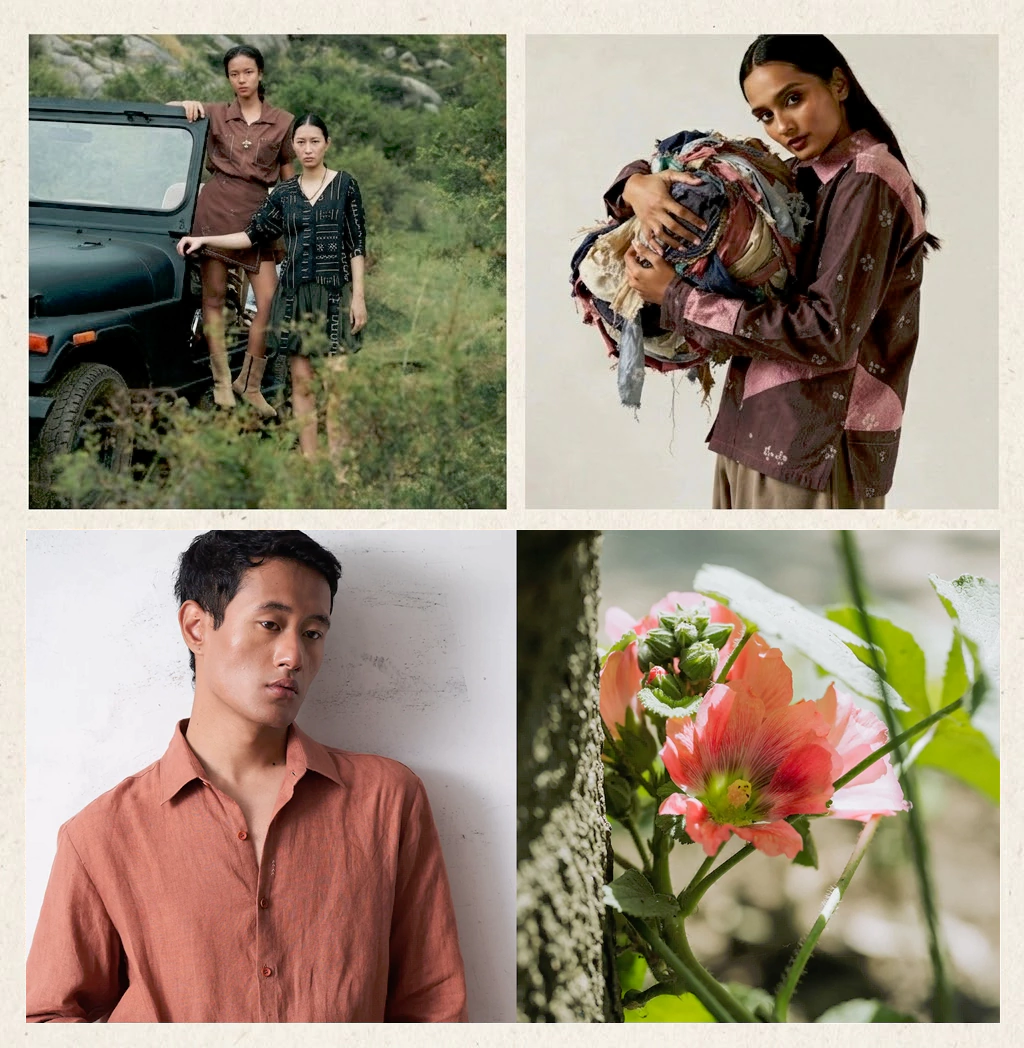
To understand sustainable fashion is to recognise that it goes beyond the choice of eco-friendly fabrics. It represents a comprehensive approach that integrates environmental responsibility, ethical labour practices, and mindful consumption. While the term itself is widely used, its real impact depends on the everyday practices adopted by designers, brands, and consumers alike.
One of the most visible aspects of sustainable fashion lies in the materials used. Conventional textiles such as polyester are derived from petroleum and contribute significantly to microplastic pollution. Cotton, although natural, is often grown using intensive pesticides and vast amounts of water.

Sustainable fashion encourages the use of alternatives such as organic cotton, hemp, linen, bamboo-based fibres, and recycled textiles. These materials reduce environmental impact while maintaining durability and comfort. Increasingly, innovative textiles derived from agricultural waste, plant fibres, and regenerated materials are reshaping how fabrics are produced.
For designers and manufacturers, selecting such materials is the first step toward reducing the environmental footprint of a garment.
Perhaps the most powerful sustainable practice is also the simplest: creating clothes that last. The rapid turnover of fast fashion has normalised disposable clothing, encouraging consumers to purchase frequently and discard quickly.
Sustainable design challenges this culture by prioritising durability, timeless aesthetics, and versatile silhouettes. Garments designed to remain relevant beyond seasonal trends naturally extend their lifecycle. Reinforced stitching, quality fabrics, and adaptable styling allow clothing to remain part of a wardrobe for years rather than months.
When designers prioritise longevity, they shift fashion from consumption-driven cycles to a more thoughtful relationship with clothing.
Sustainability cannot be separated from human responsibility. Behind every garment are artisans, tailors, and factory workers whose labour sustains the industry. Ethical production ensures that workers receive fair wages, safe working environments, and dignified working conditions.
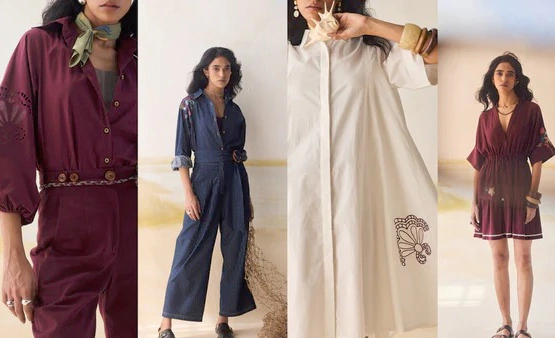
Transparent supply chains are becoming increasingly important. Brands that openly communicate where and how their products are manufactured demonstrate accountability to both people and the planet.
Supporting such practices also preserves traditional craftsmanship, which is often far more sustainable than mass industrial production.
A growing movement within sustainable fashion is the concept of circularity—an approach that aims to keep textiles in use for as long as possible. Instead of garments ending up in landfills, circular fashion encourages repair, resale, recycling, and redesign.
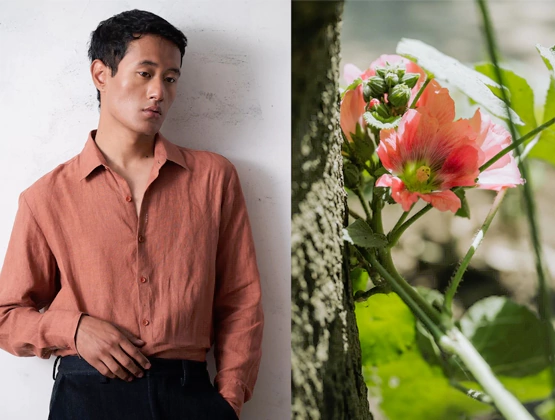
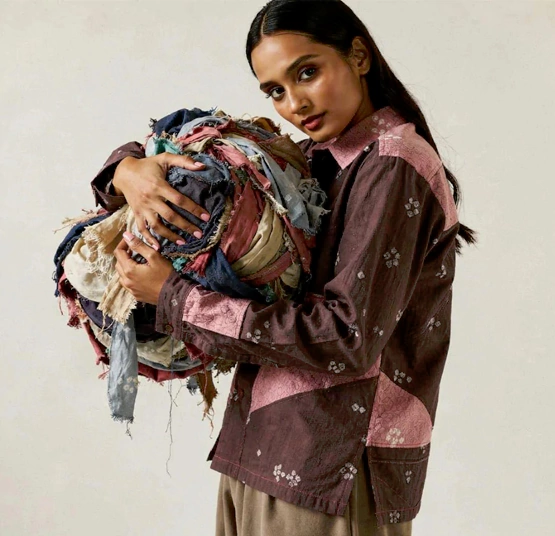
Upcycling, for instance, transforms discarded fabrics or garments into new pieces with added aesthetic value. Vintage fashion and clothing rental platforms are also gaining popularity, extending the life cycle of garments while reducing the need for new production.
Many forward-thinking designers now incorporate zero-waste pattern cutting and recyclable materials into their collections, ensuring minimal textile waste during production.
While brands and designers play a significant role, sustainable fashion ultimately relies on consumer awareness. Mindful purchasing decisions can drastically influence the industry.
Simple habits such as buying fewer but better-quality garments, supporting responsible brands, repairing clothing instead of discarding it, and donating or recycling unused garments can collectively reduce fashion’s environmental burden.
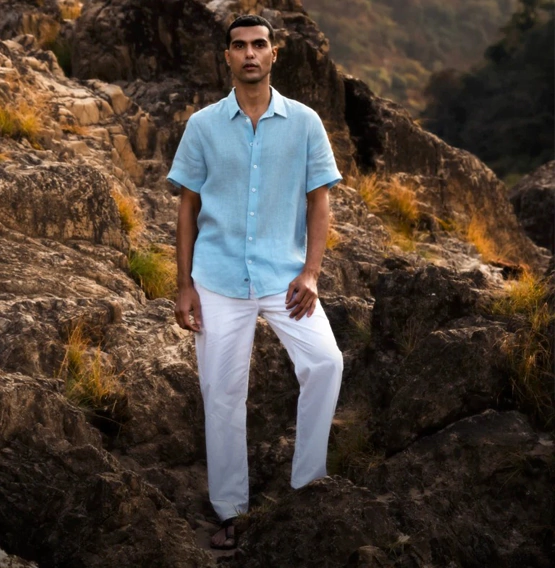
Consumers are also increasingly asking questions—Where was this made? Who made it? What materials were used? This growing transparency is gradually reshaping industry standards.
Sustainability continues even after a garment enters the wardrobe. Washing clothes less frequently, using cold water, air drying instead of machine drying, and choosing eco-friendly detergents can significantly reduce energy and water consumption.
Proper storage and maintenance also help extend the life of garments, reinforcing the philosophy that clothing should be treated as long-term possessions rather than temporary commodities.
Sustainable fashion is not about abandoning style or creativity. Instead, it invites a deeper engagement with what we wear and why we wear it. Designers are increasingly exploring craft traditions, natural dyes, and locally sourced materials to create collections that are both environmentally responsible and culturally meaningful.

In many ways, sustainable fashion represents a return to earlier philosophies of making and wearing—when garments were valued, repaired, and passed down through generations.
As the global fashion industry continues to evolve, sustainability will define its next chapter. The question is no longer whether sustainable fashion is necessary, but how consciously each of us participates in this transformation.
After all, fashion has always been about expression. The difference today is that the most powerful statement may simply be responsibility.