Fashion Street| De Beers’ New Archive of 12 Legendary Indian Diamonds and their extraordinary travel journey | Global Fashion Street
Before The Rest Of The World Knew What A Diamond Was, India Had Already Found Them All
April is Diamond Month, and to celebrate it this year, De Beers’ A Diamond is Forever has launched The Great Indian Diamond Archive: a deep dive into 12 of the world’s legendary diamonds, all of which trace their origins back to India.
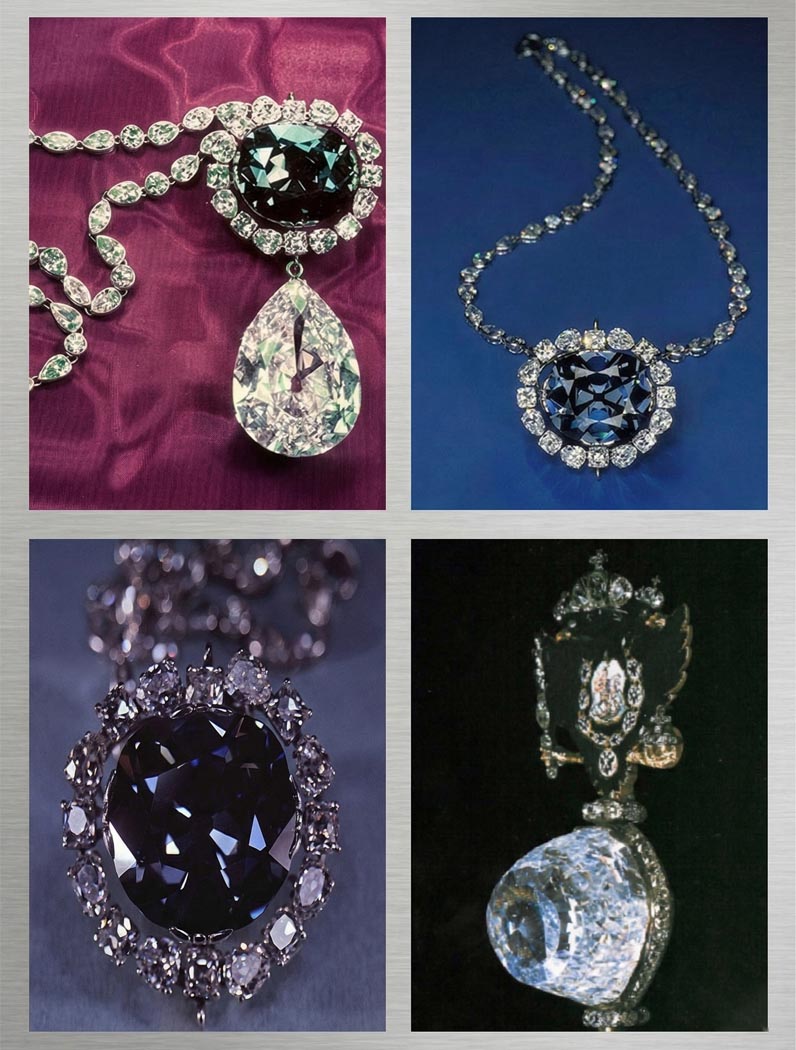
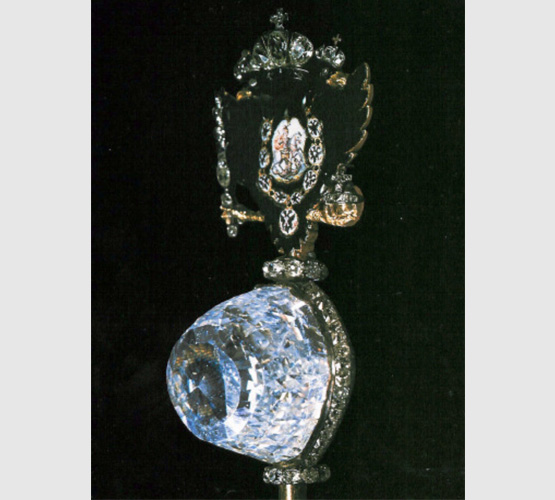
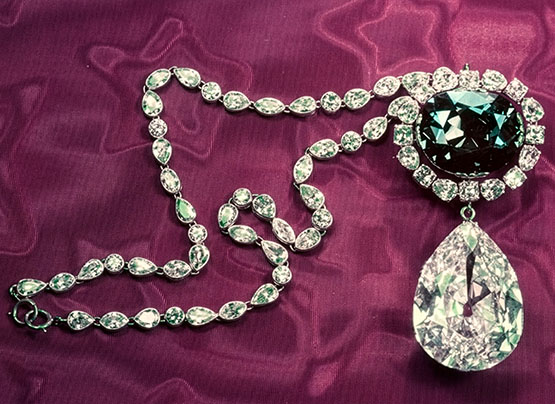
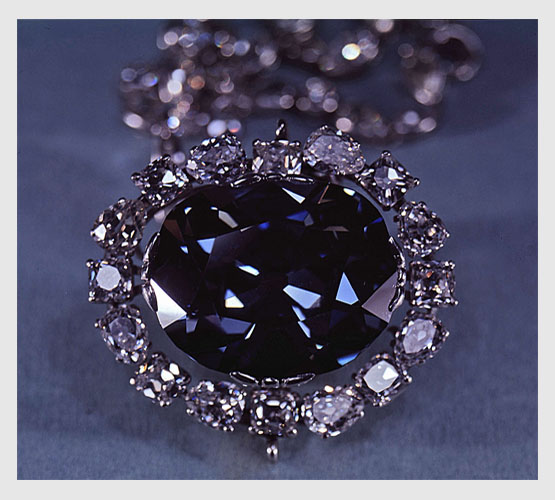
For nearly two thousand years, India was the only known source of diamonds in the world. The stones that came out of its mines have since travelled far — the Hope Diamond is at the Smithsonian, the Orlov sits in the Russian Imperial Sceptre at the Kremlin, and the Taj Mahal Diamond — the heart-shaped Mughal gem most recently seen around Margot Robbie’s neck at the Wuthering Heights premiere in January — carries a Parsee inscription that reads “Love is Everlasting.” The Great Mogul, at 787 carats the largest diamond ever found in India, hasn’t been seen since 1747.
The archive brings 12 of these stones together for the first time, their gemological characteristics, their histories, and the journeys that took them across the world.
A new archive reclaims India’s diamond legacy. Released to mark Diamond Month, the archive does more than celebrate brilliance—it reframes history. It places India firmly at the beginning of the global diamond story, long before diamonds became synonymous with European royalty or modern luxury.
For context: India was the world’s earliest—and for centuries, only—source of diamonds, with mining traditions dating back to at least the 4th century BCE.
Most of the world’s earliest diamonds were discovered in alluvial deposits—riverbeds and shallow mines across regions like Golconda, which would go on to produce some of the most famous gems in history.
From here, these stones travelled across continents through trade, conquest, and diplomacy—finding their way into Mughal treasuries, Persian empires, and European crowns.
The 12 Legendary Indian Diamonds (And Their Stories)
Perhaps the most contested diamond in history, the Koh-i-Noor originated in the Golconda mines and passed through Mughal, Persian, Afghan, and Sikh rulers before entering British possession in 1849. Today, it sits among the British Crown Jewels—its legacy tied deeply to colonial history.
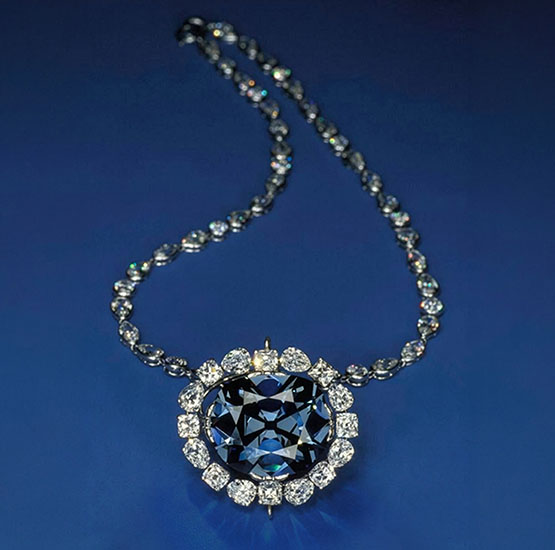
Famous for its deep blue hue and “curse” mythology, the Hope Diamond was mined in India before being acquired by French royalty. It now resides at the Smithsonian Institution, continuing to fascinate both historians and the public.
Discovered in the Kollur Mine in 1698, this 140-carat gem became part of the French Crown Jewels and is now housed in the Louvre. Its journey includes tales of smuggling, cutting in London, and royal ownership.
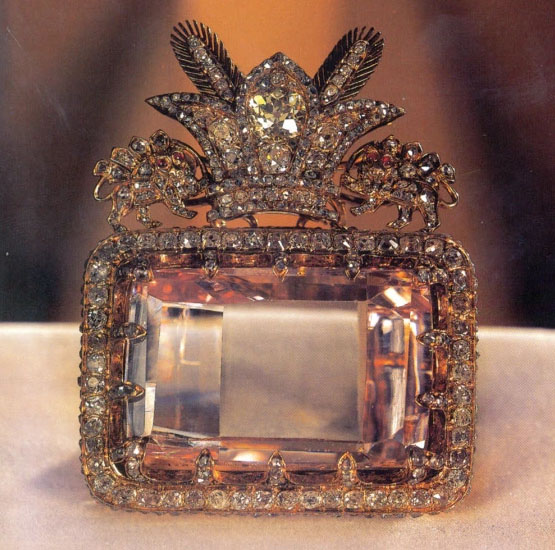
Meaning “Sea of Light,” this pale pink diamond is one of the largest of its kind. It is currently part of Iran’s crown jewels, symbolising Persian imperial opulence and the far-reaching trade of Indian diamonds.
One of the earliest recorded large diamonds from India, the Great Mogul was described in the 17th century but later disappeared—its identity possibly linked to other famous stones after recutting.
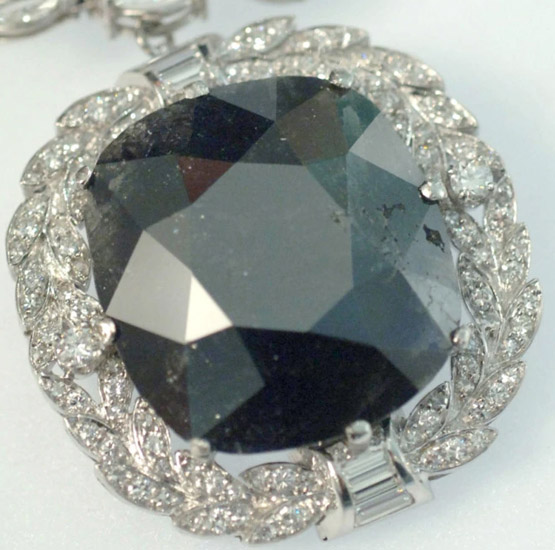
Believed to have originated in India, the Orlov Diamond now adorns the Russian Imperial Sceptre. Its journey includes legends of temple theft and royal gifting.
This pale yellow diamond travelled across European courts, owned by French and English royalty. Its Indian origin places it within the early global diamond trade routes.
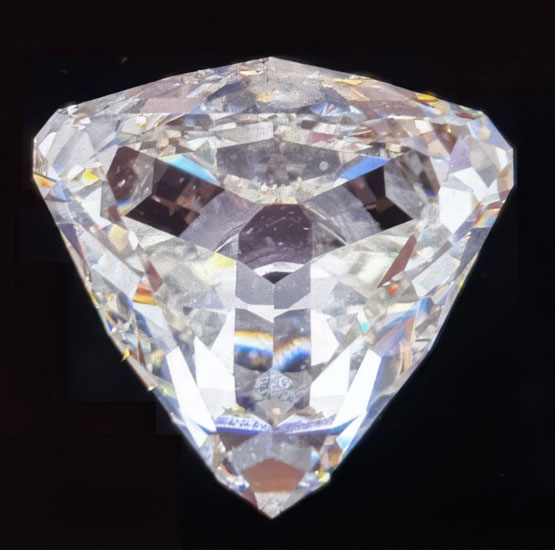
A set of diamonds gifted to British royalty from Arcot (India), these stones highlight diplomatic exchanges between Indian nawabs and European courts.
One of the oldest recorded diamonds in the world, dating back to the 12th century, it passed through European royalty including Eleanor of Aquitaine and resurfaced centuries later in auctions.
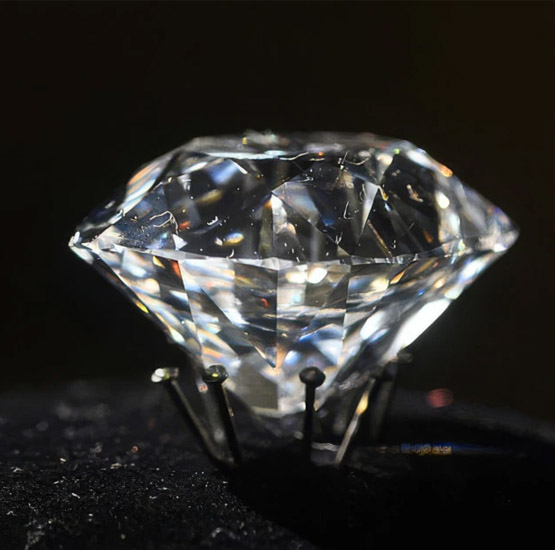
As one of the largest diamonds ever discovered, the Jacob Diamond famously links to the Nizam of Hyderabad, who reportedly used it as a paperweight—an anecdote that perfectly captures the excess of royal India.
What The Great Indian Diamond Archive does is quietly radical—it shifts the narrative. Rather than viewing these diamonds as isolated luxury objects, it instead reconnects them to their geological origins, while also tracing their Indian provenance and ultimately mapping their layered journeys across empires.
It also shows how craftsmen recut many of these stones over time, changing not just their physical form but their identity—turning history into something fluid rather than fixed.
At a time when luxury is increasingly driven by storytelling, provenance is power.
This archive reminds us that the world’s most iconic diamonds are not just symbols of global wealth—they are fragments of Indian history, shaped by rivers, rulers, and routes of exchange.
Because before diamonds became forever, they were first—and unmistakably—Indian.
The Great Indian Diamond Archive was developed using a structured research framework drawing on gemological records from the GIA, Encyclopaedia Britannica, and primary historical sources. Physical attributes have been cross-referenced across multiple sources where possible. In cases where figures are disputed, the most widely cited estimate has been used. The archive does not rank the diamonds.
12 legendary Indian diamonds that changed the world of jewellery – A Diamond is Forever – India
Enjoyed Reading-“De Beers Indian Diamonds: The Great Indian Diamond Archive?” Drop us a comment and let us know!