Japanese anti-fashion luxury did not emerge from a desire to impress the world—it emerged from a radical refusal to conform to it.
“It was the 1980s. Paris expected glamour. Japan arrived in black.”
That was a time when fashion expected beauty to behave in a certain way. Paris celebrated glamour, precision tailoring, luxury fabrics, feminine silhouettes, and perfectly finished clothing. Fashion was polished, seductive, and predictable in its ideas of elegance.
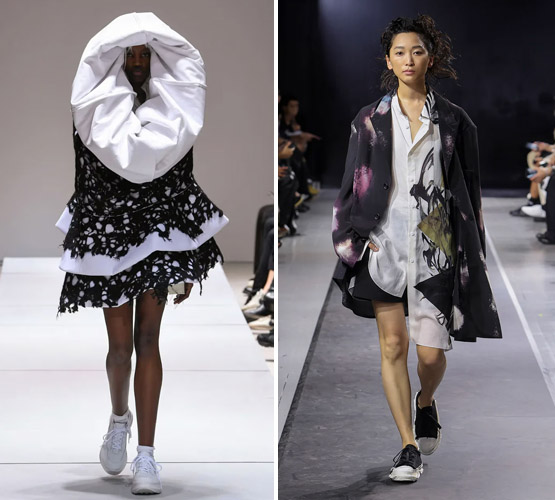
When Rei Kawakubo and Yohji Yamamoto debuted in Paris during the early 1980s, the reaction from Western critics was almost hostile. Their garments were dark, oversized, asymmetrical, and intentionally distressed. Sleeves hung unevenly. Hems looked unfinished. Shapes concealed the body instead of celebrating it. Black dominated the runway like a statement of rebellion.
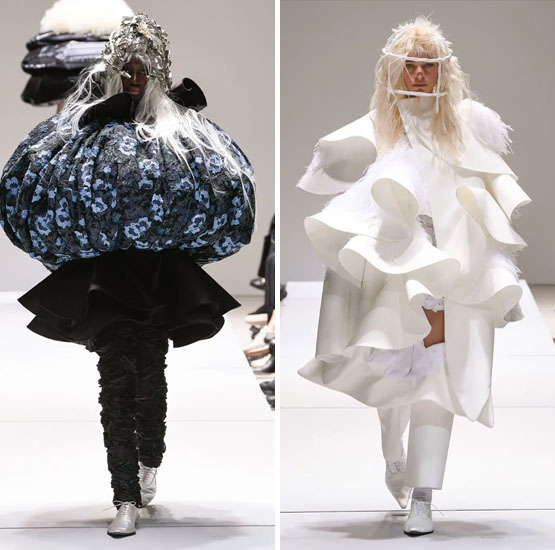
To the traditional European fashion establishment, it looked shocking. Some critics dismissed the movement as “anti-fashion.” Others described it as post-apocalyptic. But what Paris initially rejected would slowly become one of the most influential revolutions in modern style.
The arrival of Japanese designers in Paris marked one of the biggest creative disruptions in fashion history. Until then, luxury fashion largely revolved around ideals of glamour, seduction, and visible sophistication. Japanese designers introduced something radically different — intellectual clothing.
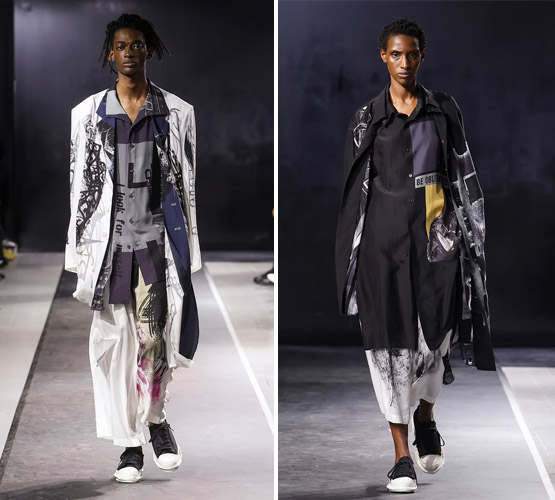
Yohji Yamamoto transformed tailoring into poetry. His oversized black coats and fluid silhouettes rejected body-conscious dressing and instead created movement, mystery, and emotional space around the wearer. Fashion became less about display and more about presence.
Meanwhile, Rei Kawakubo dismantled conventional beauty altogether through Comme des Garçons. Her garments often appeared unfinished, fragmented, or intentionally imperfect. Holes, asymmetry, exaggerated forms, and unconventional construction challenged the very purpose of clothing. She treated fashion as conceptual art rather than decoration.
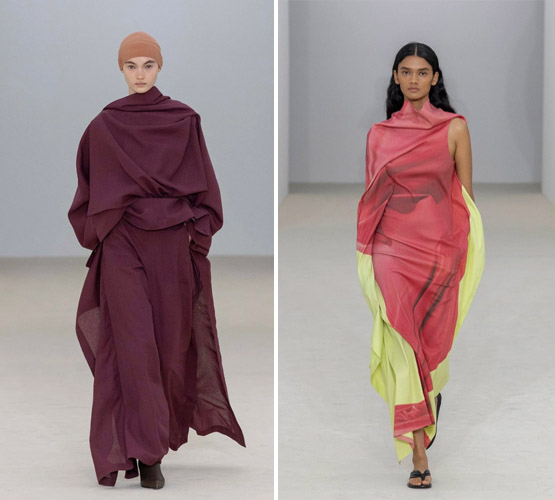
Then came Issey Miyake, who brought innovation through technology and textile experimentation. Unlike the dramatic darkness associated with Yohji and Rei, Miyake explored movement, lightness, and futuristic practicality. His revolutionary Pleats Please Issey Miyake line merged sculpture, comfort, and functionality in a way fashion had never seen before.
Together, these designers altered the rhythm of global fashion. They introduced silhouettes that flowed instead of clung. They embraced abstraction over perfection. And most importantly, they proved that fashion could carry philosophy.
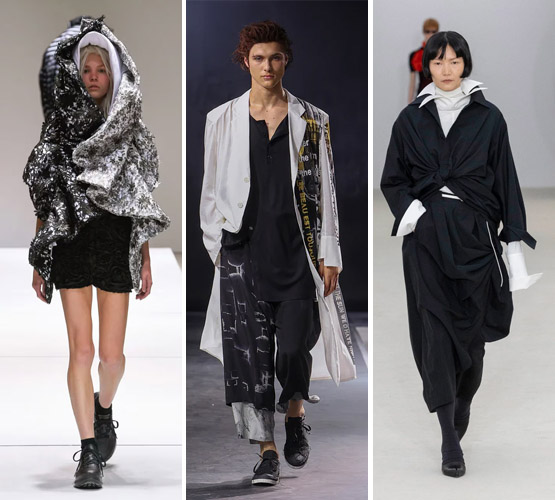
What made Japanese fashion revolutionary was not just the clothing itself, but the thinking behind it. Many Japanese designers drew from aesthetic philosophies deeply rooted in Japanese culture — particularly ideas surrounding imperfection, impermanence, emptiness, and restraint. Concepts like wabi-sabi celebrated incomplete beauty.
Negative space became as important as the garment itself. Simplicity carried emotional depth. Japanese fashion did not ask clothing to decorate the body. It asked clothing to create a relationship with it.
This philosophy explains why many Japanese silhouettes appeared loose, layered, or oversized. Rather than aggressively shaping the body, the garments allowed freedom, movement, and ambiguity. The wearer became part of the design instead of simply displaying it.
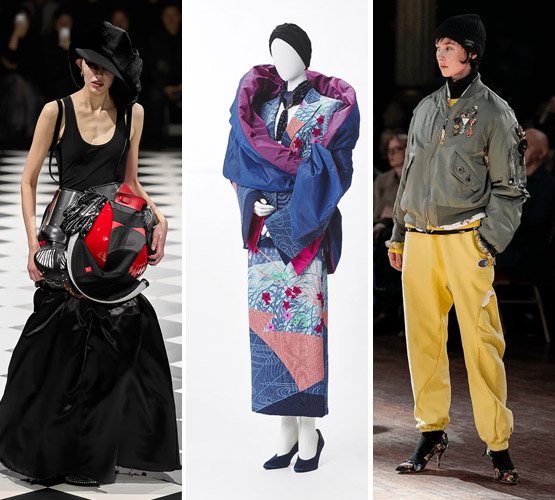
That influence can still be seen everywhere today — from minimalist luxury to anti-fit tailoring, monochrome dressing, sculptural garments, and gender-fluid silhouettes. What once looked radical has now become foundational to contemporary fashion.
The Japanese fashion movement did not stop with avant-garde Paris runways. It evolved into multiple generations and directions.
Kenzo Takada brought exuberance and multicultural energy into Paris fashion through Kenzo. His work blended global folk references, colour, and joyful prints long before fashion embraced multicultural storytelling.
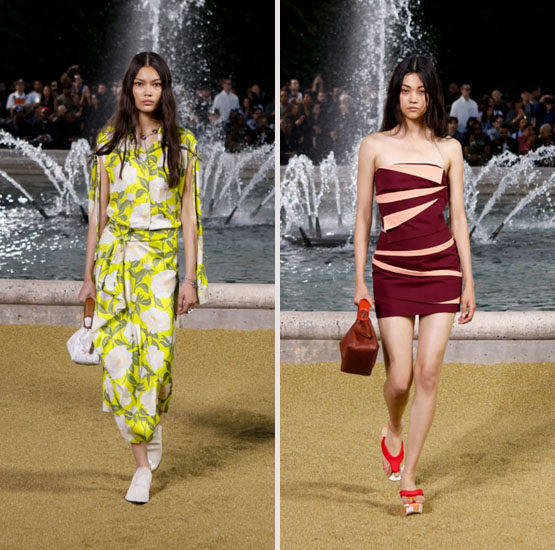
Junya Watanabe pushed technical experimentation further through architectural pattern cutting and futuristic fabric manipulation. Emerging from the Comme des Garçons universe, he became known for transforming garments into engineered structures.
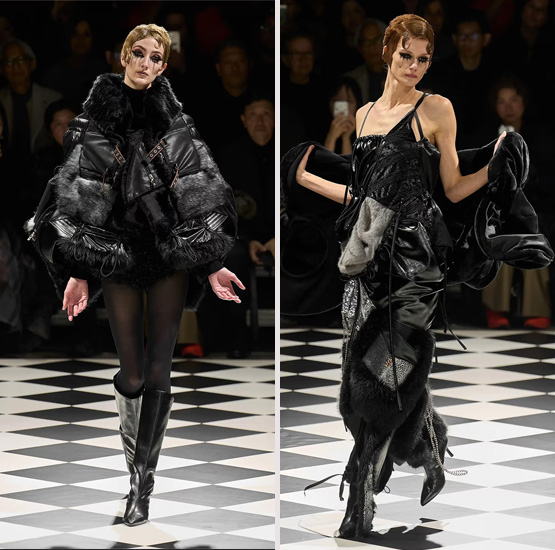
Hanae Mori introduced Japanese elegance to haute couture, becoming the first Japanese woman to enter the elite Paris couture world. Her signature butterfly motifs symbolised delicacy, femininity, and international sophistication.
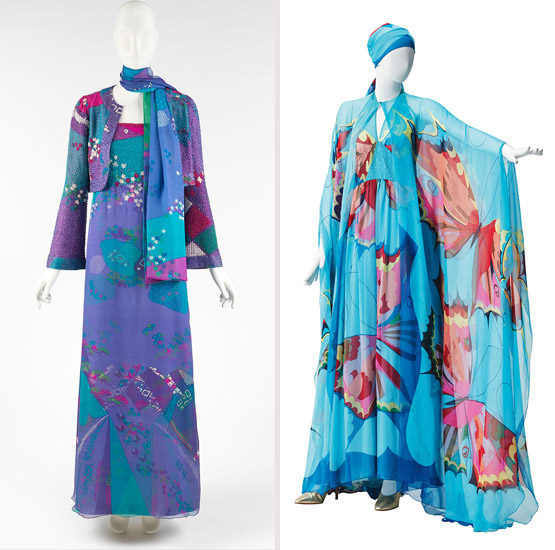
Each designer expanded Japan’s influence differently, yet all of them shared a refusal to conform to Western fashion expectations.
Long before luxury brands embraced sneakers, oversized hoodies, graphic-heavy collections, or hype culture, Japan had already created a parallel fashion universe through its youth movements and streetwear scene. Tokyo became one of fashion’s most important laboratories.
Neighbourhoods like Harajuku evolved into global symbols of self-expression, experimentation, and fearless styling. Fashion on the streets of Tokyo was no longer about trends alone — it became identity performance.

One of the biggest forces to emerge from this culture was Nigo, founder of A Bathing Ape. Through bold graphics, limited drops, camouflage prints, and cult branding, Nigo helped shape the blueprint for modern global streetwear culture.
At the same time, Undercover Jun Takahashi merged punk rebellion, surrealism, and luxury fashion through Undercover, creating collections that blurred the boundaries between subculture and high fashion.
Japanese streetwear succeeded because it carried the same spirit as Japanese avant-garde fashion — independence. It ignored traditional fashion hierarchies and created its own systems of influence.
Today’s luxury streetwear boom, sneaker collaborations, oversized fits, and youth-driven fashion ecosystems all carry traces of that Japanese foundation.
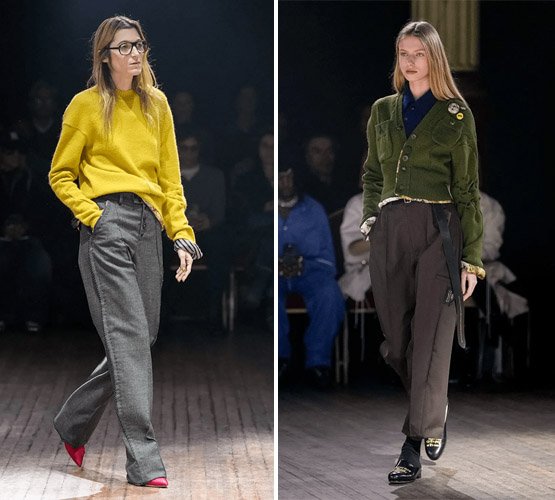
Modern fashion continues to borrow heavily from ideas Japanese designers introduced decades ago.
All of it echoes Japan’s fashion revolution.
Even today, the most influential fashion often emerges from the same principles Japanese designers championed years ago: individuality over perfection, emotion over decoration, and ideas over trends.
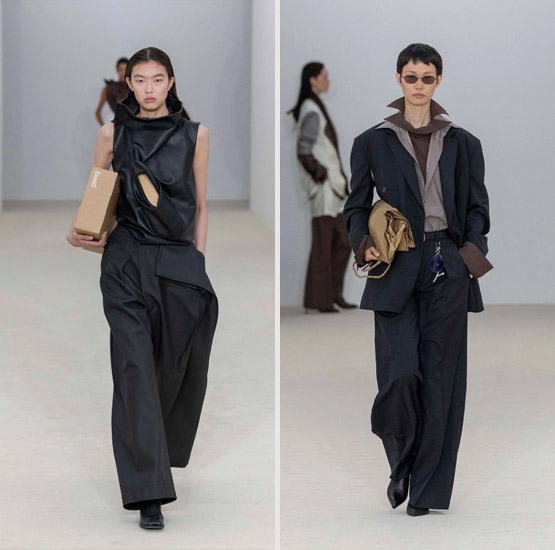
Japan did not simply contribute to fashion history. It permanently altered fashion’s imagination. And perhaps that is why these designers remain so powerful decades later — because they never chased fashion’s approval in the first place. Because Japanese designers were not trying to fit into fashion.
They were trying to redefine its language entirely.
“Fashion never truly recovered from Japan’s revolution — it absorbed it.”
Enjoyed reading ‘Game Changers: How Japanese Made Anti-Fashion the New Luxury“? Drop us a comment and let us know!
Cover Image
Issey Miyake | Issey Miyake | Yohji Yamamoto | Issey Miyake