Top Art Fairs of the World + Global Calendar 2026
There was a time when the art fair was merely a marketplace—predictable, transactional, and geographically contained. That illusion no longer holds. Instead, in 2026, art fairs have become far more complex—a theatre of soft power and a site of cultural negotiation. At the same time, a statement of intent by cities seeking relevance in a shifting global order.
What we are witnessing is not just an expansion of the fair circuit, but a recalibration of its centre of gravity. Indeed, no longer confined to a fixed calendar, they unfold through year-round collaborations and collateral programming.
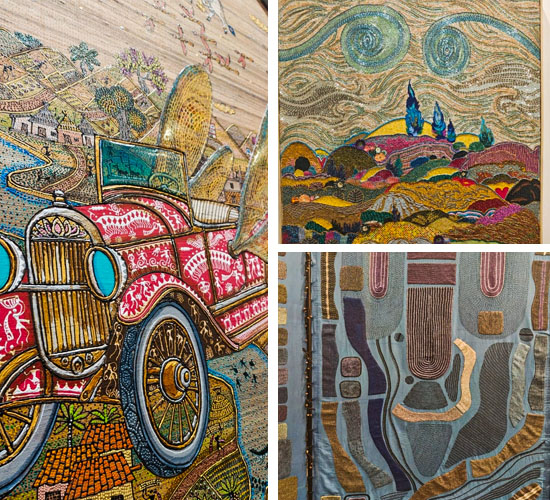
The year began, tellingly, not in Europe or New York, but with two events that quietly reoriented the conversation: The India Art Fair 2026 and the debut of Art Basel Qatar 2026.
As the art world continues to renegotiate geography, meaning, and market logic, the 2026 art fair calendar reads less like a list of commercial events and more like a map of cultural possibility.
Across geographies, from the Indian subcontinent to the Gulf, Europe to the Americas, these fairs are not merely transactional hubs. Instead, they are barometers of artistic imagination, institutional ambition, and the shifting contours of global discourse.
Founded in 1895, the Venice Biennale is the world’s oldest and most prestigious international art exhibition. Still the lodestar for global contemporary art, the Venice Biennale remains unmatched in scope and symbolic heft.
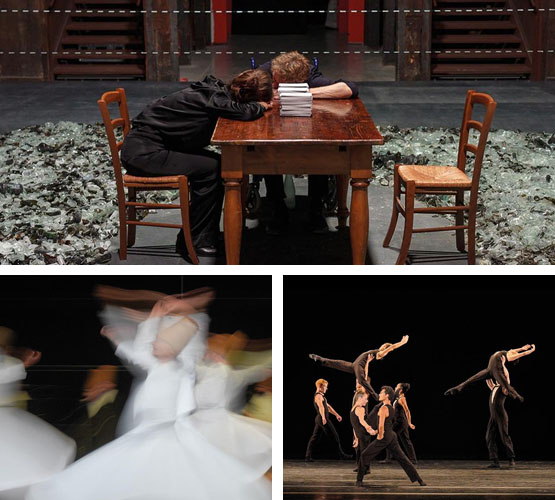
Moreover, its sprawling national pavilions and thematic expositions provide a prism through which the year’s cultural concerns are refracted and debated. In turn, the 2026 Biennale’s roster promises fresh geopolitical dialogues and tectonic curatorial shifts that critics and institutions alike will parse for months.
Founded in 1970 by gallerists Ernst Beyeler, Trudl Bruckner, and Balz Hilt, Art Basel has grown into the world’s most influential commercial art fair. Today, it defines market trends while shaping the global ecosystem of galleries, collectors, and institutions. Art Basel now operates across four major global editions—Basel, Miami Beach, Hong Kong, and its newest outpost in Doha—collectively mapping the shifting geographies of the contemporary art market.
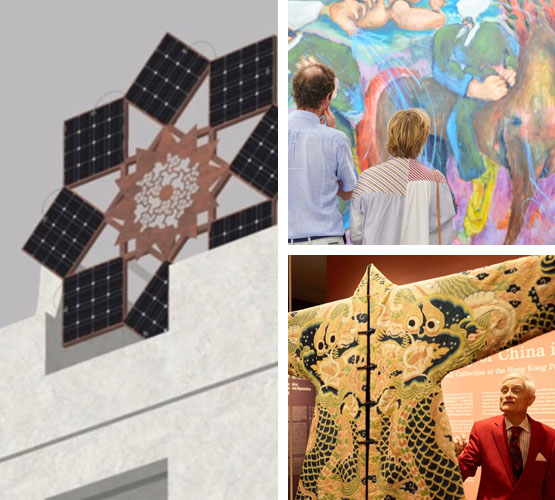
Basel remains the commercial heavyweight of the fair circuit, where blue-chip galleries and institutional collectors convene to set market rhythms. Its enduring prestige is not simply about sales volumes, but about the editorial authority Basel continues to exert over global programming.
Founded in 2003, Frieze Art Fair has expanded into a global constellation of editions—London, New York, Los Angeles, and Seoul. Situated at the crossroads of curatorial ambition and market appetite, Frieze New York has become a platform for risk and visibility.
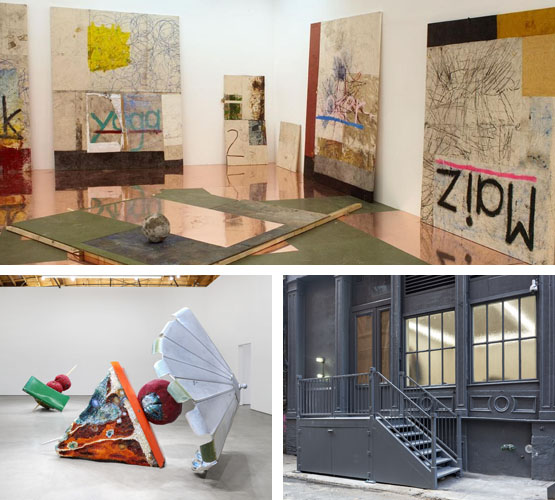
Its roster consistently blends emerging practices with institutional voices, allowing for critical encounters as vibrant as they are market-aware.
Founded in 1988, TEFAF now spans two key editions—Maastricht and New York. Where historical depth meets contemporary range, TEFAF is paradoxically one of the most intellectually stimulating fairs. Its embrace of antiques and modern art in a single forum invites questions about lineage, value, and the genealogy of taste — a reminder that “collecting” is never neutral.
Founded in 1982, ARCOmadrid remains centred in Madrid as its defining edition. Moreover, with a strong focus on Latin America and a rigorous program, it foregrounds political and aesthetic plurality. Consequently, in global debates on postcolonial practice and regional autonomy, ARCO’s voice has become indispensable.
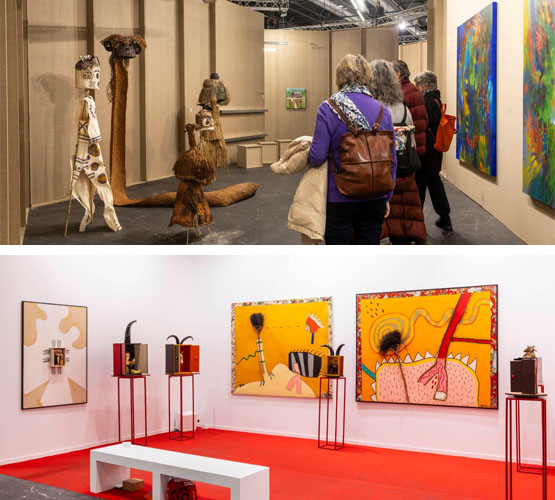
In the shadow of European and American behemoths, the India Art Fair stakes a critical claim of its own. Moreover, in its 17th edition, it synthesizes South Asian perspectives with global currents through galleries, talks, and thematic explorations of art’s meaning in a transforming society.
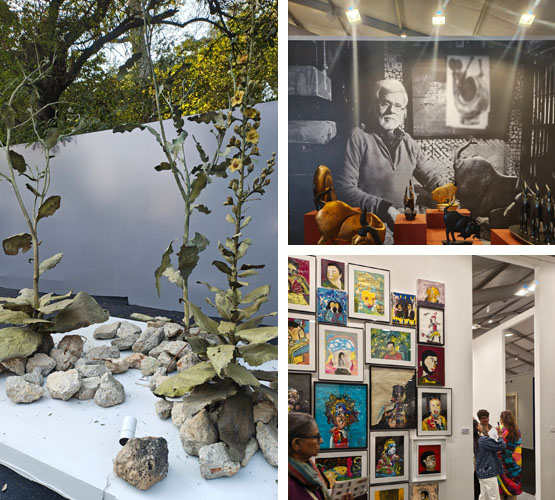
The inaugural edition of Art Basel Qatar marks one of the most significant moments in recent art-market history. Unlike its sister fairs in Basel, Miami Beach, or Hong Kong, this Doha edition was not merely a transplanted format — it was a dialogue with place.
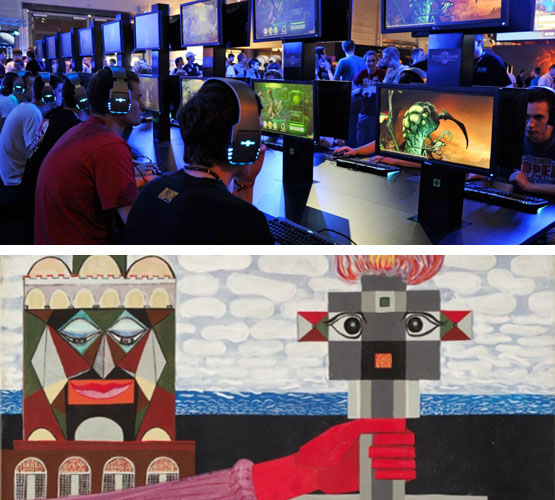
Scheduled in early February, simultaneously with other February fairs like India Art Fair and Zona Maco, Qatar’s iteration brings 87 galleries from 31 countries to the M7 cultural hub and Doha Design District under the curatorial theme Becoming.
The Armory Show continues its legacy as one of America’s most influential art fairs, founded in 1994. Consequently, positioned at the heart of New York’s fall season, it offers a sharp lens into evolving collector sensibilities and institutional trends.
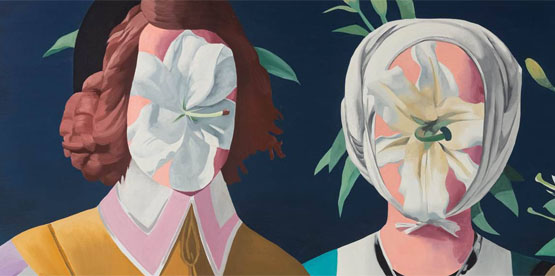
Anchoring New York’s autumn art season, The Armory Show is both a market mirror and a cultural mirror. Its curated sectors offer a microcosm of institutional priorities and collector tastes, often presaging trends that dominate the biennale conversations later in the year.
As Brexit’s aftershocks continue to reshape Europe’s cultural circuits, Frieze London persists as a vital platform for cross-continental exchange. Consequently, its programming balances international ambition with local criticality, keeping London at the heart of contemporary debate.
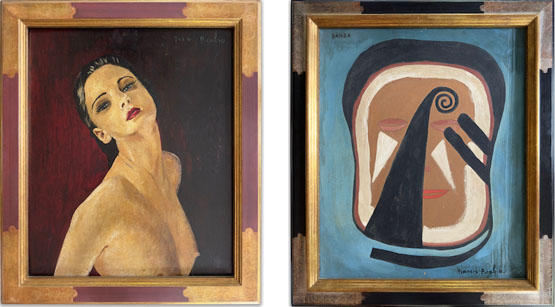
Often overlooked in surveys of “top fairs,” the Affordable Art Fair series nonetheless deserves critical attention for its democratizing impulse. Moreover, by lowering entry barriers for collectors and audiences alike, it interrogates who gets access and why—a question that ripples through every major art market conversation today.
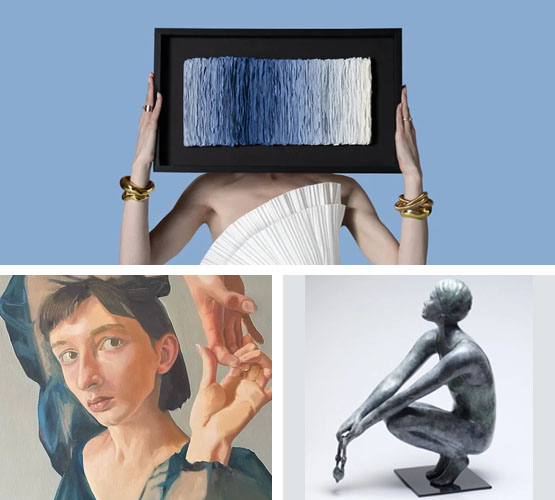
In the end, these fairs are not just destinations but decisive arenas where art is seen, valued, and historicised. So much so that a growing community of art-enthusiast travellers now plans its journeys around them. Thus, turning the global art calendar into a map of cultural pilgrimage.
Enjoyed reading about the Top Art fairs of the World? Drop us a comment and let us know!