GFS Preview: So what are they doing differently this time?
Nearly two decades after it redefined cinematic fashion storytelling, The Devil Wears Prada returns with a sequel that is as much about legacy as it is about reinvention. The Devil Wears Prada 2, slated for release on May 1, 2026, arrives not just as a nostalgic callback but as a timely commentary on the evolving worlds of fashion, media, and power.
Released in 2006, The Devil Wears Prada was more than a box-office success—it became a cultural reference point. It elevated workplace drama into something stylish, quotable, and psychologically sharp. Miranda Priestly’s icy composure, Andy’s moral dilemmas, and Nigel’s quiet wisdom created a narrative that resonated far beyond fashion.
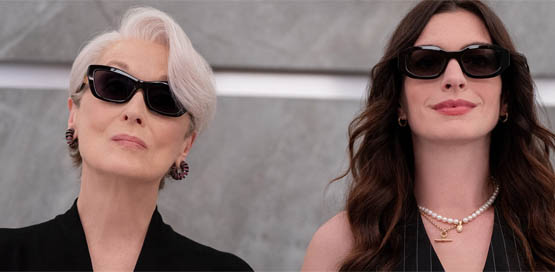
The sequel inherits this “larger-than-life” aura. But rather than merely recreating it, it interrogates it:
What does power look like now?
Can legacy institutions survive disruption?
And most importantly—can Miranda Priestly still command a room in a world that no longer waits for print deadlines?
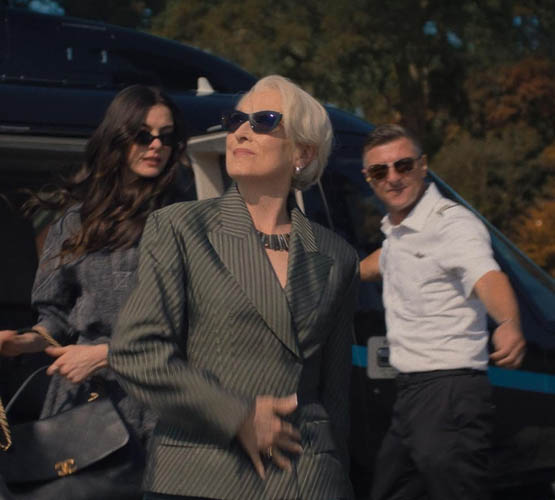
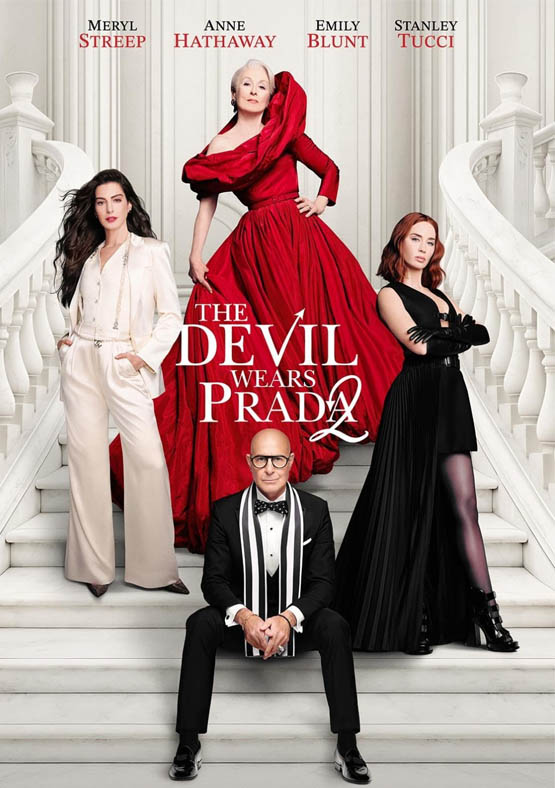
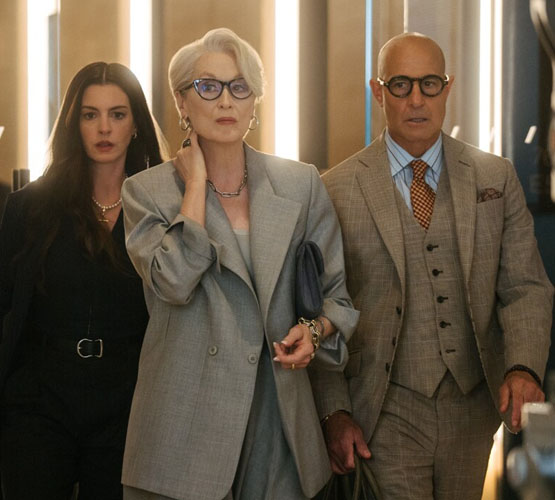
The film reunites its powerhouse original cast while introducing a new generation of characters:
Meryl Streep as Miranda Priestly
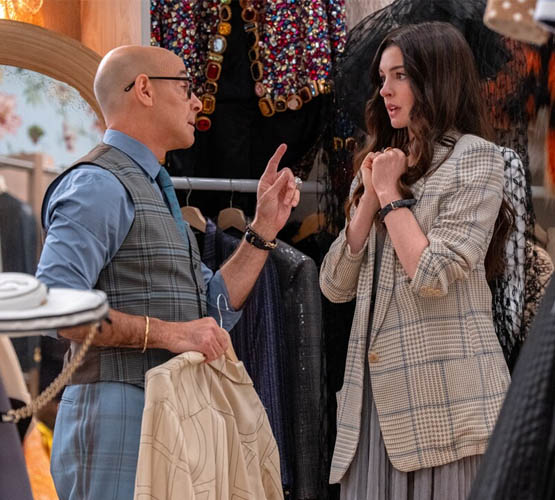
Anne Hathaway as Andy Sachs
Emily Blunt as Emily
Stanley Tucci as Nigel
They are joined by a dynamic ensemble including Kenneth Branagh, Lucy Liu, Justin Theroux, and Simone Ashley, among others.
The narrative reportedly revisits Runway magazine in a dramatically altered media landscape, where print is declining and advertising power has shifted—placing Miranda in direct conflict with Emily, now a formidable executive controlling luxury ad budgets.
What made the original film revolutionary was its understanding of fashion—not as decoration, but as a language of hierarchy, aspiration, and control. The sequel builds on this legacy, situating fashion within a digital-first era where influence is fragmented and authority is constantly negotiated.
The cerulean monologue may have explained trickle-down fashion to audiences in 2006, but in 2026, the conversation shifts toward algorithmic taste, influencer economies, and the commodification of identity. The clothes are still impeccable—but now they must compete with virality.
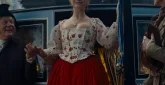
Meryl Streep wore a CHANEL Métiers d’Art 2026, and Anne Hathaway a MaisonValentino Haute Couture SS26 in Tokyo for THE DEVIL WEARS PRADA 2 Fan Event early this week in April.
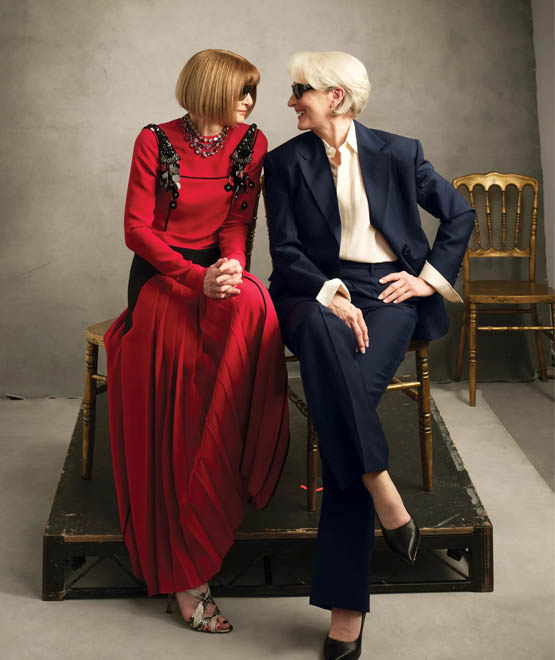
It is impossible to discuss The Devil Wears Prada without acknowledging its most famous real-world echo: Anna Wintour. Miranda Priestly remains one of cinema’s most enduring fictionalizations of editorial authority, inspired in part by Wintour’s legendary tenure at Vogue.
Interestingly, the sequel arrives at a moment when Wintour herself is reshaping her public image—appearing alongside Streep on a landmark Vogue cover, blurring the line between fiction and reality.
The film, therefore, operates in a meta space: it is not just about fashion magazines, but about the myth-making machinery that sustains them.
The Devil Wears Prada 2 is not simply returning to familiar territory—it is revisiting it with the weight of time. The fashion industry has transformed, media has fractured, and ambition itself has been redefined.
Yet, at its core, the story remains the same: a woman, a system, and the cost of staying at the top. On May 1, audiences won’t just be watching a sequel.
They’ll be witnessing the evolution of an icon.
Backed by 20th Century Studios under Walt Disney Studios, the sequel retains the original film’s creative DNA. Director David Frankel returns, bringing the same understated sharpness that defined the first film.
The screenplay is written by Aline Brosh McKenna. It draws from characters created by Lauren Weisberger, maintaining continuity in tone and depth. Production is led by Wendy Finerman, with additional executive producers including Karen Rosenfelt and Michael Bederman.
If you have enjoyed reading the article, do drop us a comment and let us know!