Michael Jackson Biopic 2026: Jaafar Jackson Plays the King of Pop’s Legacy | Entertainment | Global Fashion Street
I wanna be Mysterious. If Halley’s Comet appeared every year, it would stop feeling magical. The world would stop waiting for it, talking about it, looking up for it. Some things become legendary precisely because they arrive so rarely.”
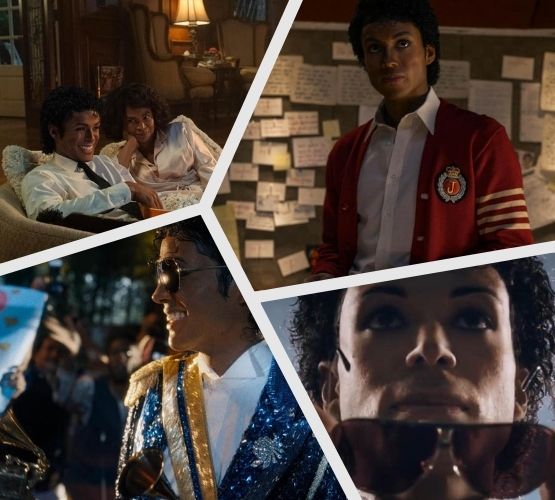
There are music legends, and then there is Michael Jackson — a cultural force so massive that even decades later, the world still moves to his rhythm. Now, Hollywood attempts one of its most ambitious music biopics yet with Michael, the long-awaited cinematic portrait of the King of Pop directed by Antoine Fuqua.
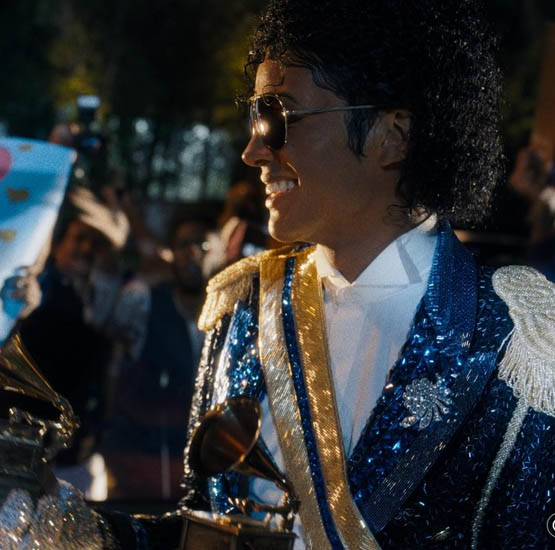
Without revealing the emotional arc or key dramatic moments, it is safe to say that Michael is less interested in simply revisiting nostalgia and more focused on recreating the scale of a phenomenon. The film dives into the rise of a boy who transformed into one of the most influential entertainers in modern history, carrying the audience through the electricity, pressure, spectacle, and loneliness that often accompany global superstardom.
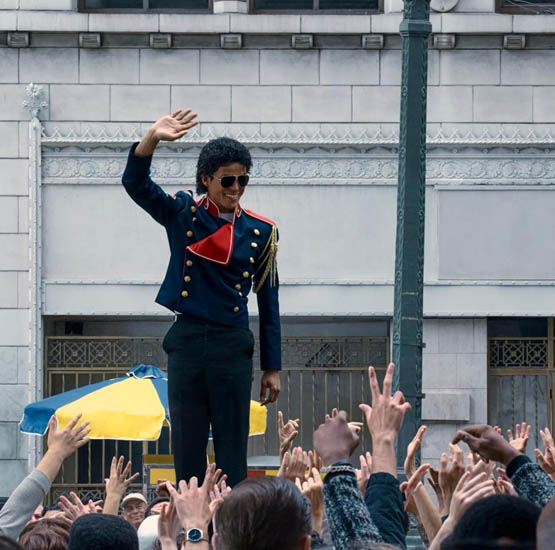
At the center of the film is Jaafar Jackson — Michael Jackson’s real-life nephew — in what is arguably one of the most scrutinized casting choices in recent Hollywood memory. And surprisingly, it works. Jaafar does not merely imitate Michael’s iconic gestures; he channels his physical language with uncanny precision. From the tilt of the shoulders to the delicate pauses before movement, the performance reportedly avoids parody and instead leans into embodiment.
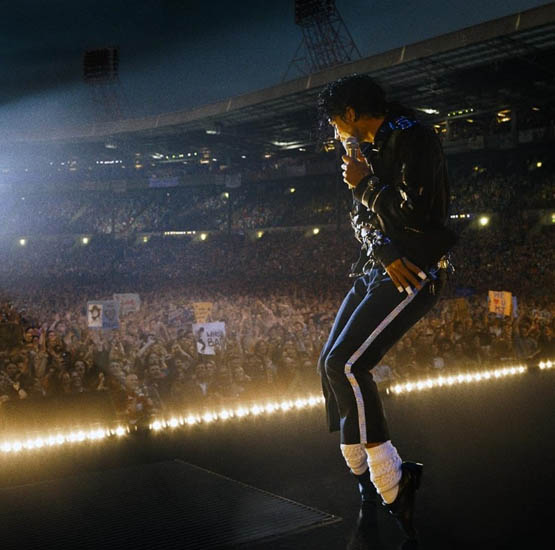
One of the most talked-about aspects of the film’s making is the musical authenticity. Jaafar Jackson reportedly performed portions of the vocals himself, blending them with original Michael Jackson recordings to preserve the emotional texture of the performances. The concert recreations — especially the stage sequences inspired by the Thriller, Billie Jean, and Bad eras — are already becoming conversation points among fans for their scale and visual accuracy.
Visually, Antoine Fuqua approaches the material with grandeur rather than documentary realism. The film reportedly recreates key moments from Michael Jackson’s live performances with arena-sized energy, cinematic lighting, and elaborate production design. This is not a quiet indie-style character study; it is built like a global event.
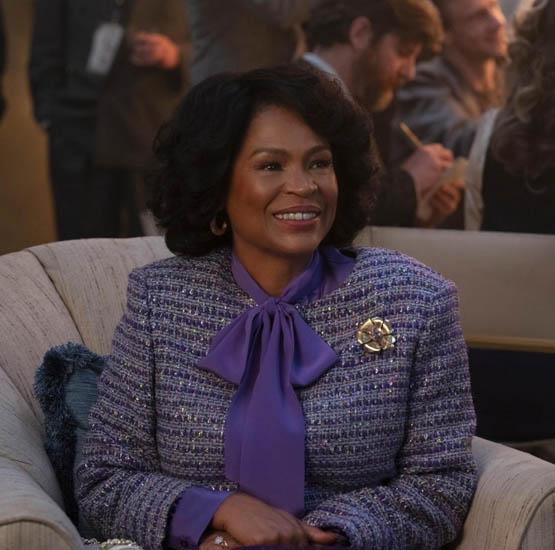
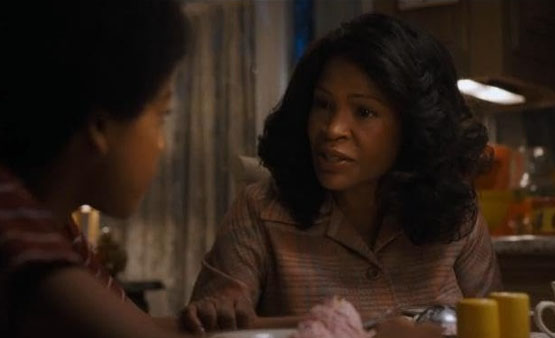
The supporting cast also adds substantial weight to the project. Colman Domingo steps into the role of Joe Jackson, while Nia Long portrays Katherine Jackson with warmth and emotional restraint.
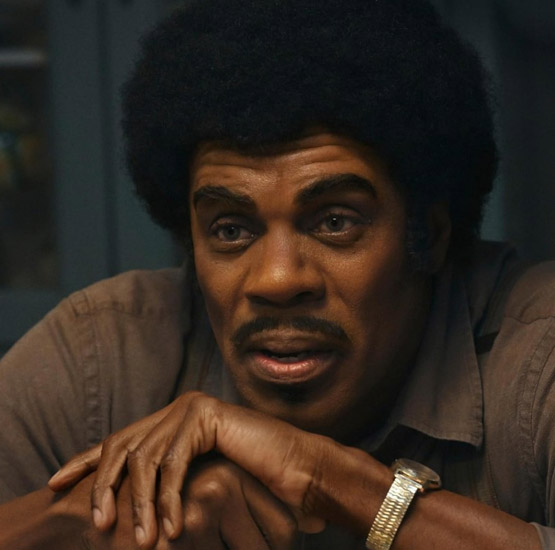
Miles Teller appears as longtime attorney and advisor John Branca, while the film also features portrayals of influential figures from the worlds of Motown, music production, and entertainment management.
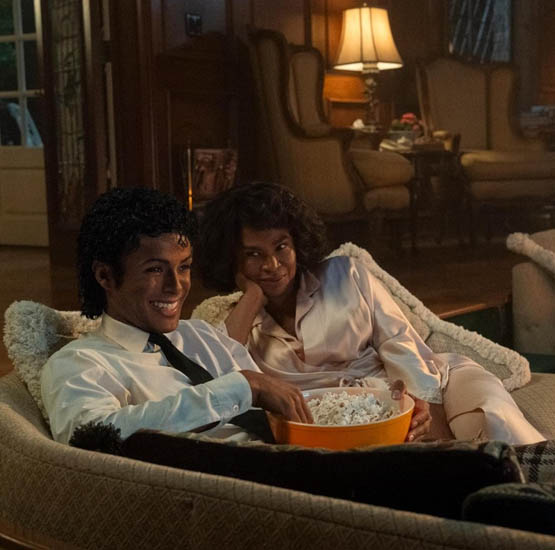
Interestingly, Michael also arrives carrying enormous behind-the-scenes intrigue. The production underwent extensive reshoots and restructuring during post-production, reportedly after legal complications involving how certain chapters of Michael Jackson’s life could be depicted on screen. Those developments sparked global debate even before the film’s release and added another layer of fascination around the project.
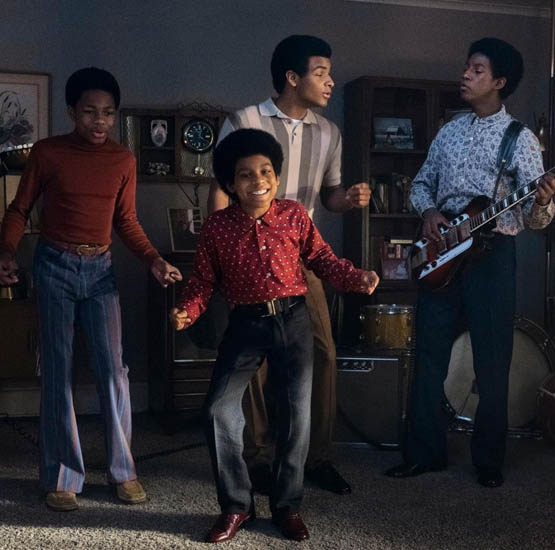
The screenplay comes from John Logan, known for films such as Gladiator, The Aviator, and Skyfall, while producer Graham King — the Oscar-winning force behind Bohemian Rhapsody — once again returns to the world of music biopics. That pedigree is visible throughout the film’s larger-than-life presentation.
What makes Michael particularly compelling is that it enters theaters during a period when music biopics have become a dominant Hollywood genre. Yet Michael Jackson remains uniquely difficult to portray because he was never just a singer. He was choreography, spectacle, mythology, controversy, fashion, celebrity culture, and media obsession combined into one figure. Capturing that complexity on screen was always going to invite both admiration and criticism.
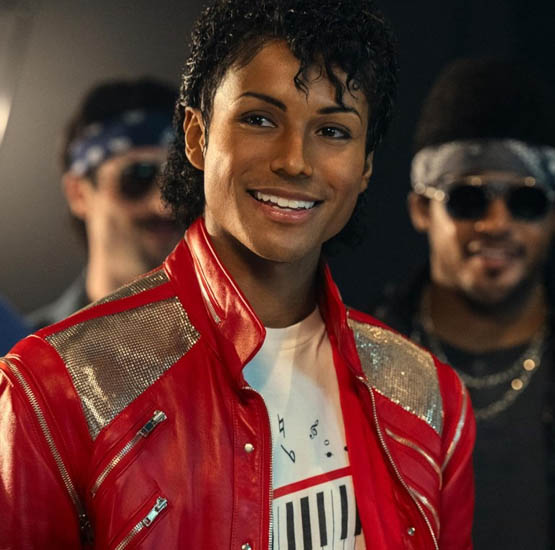
The film, without restraint, brings into the open the trauma inflicted by his father. It traces Michael Jackson’s early life as one shaped by loneliness, emotional isolation, and a quiet longing for friendship.
It also tenderly captures his affection for animals and his instinct to nurture those around him. More importantly, the film highlights the extraordinary emotional energy with which Michael Jackson tried to spread love, comfort, and generosity to others.
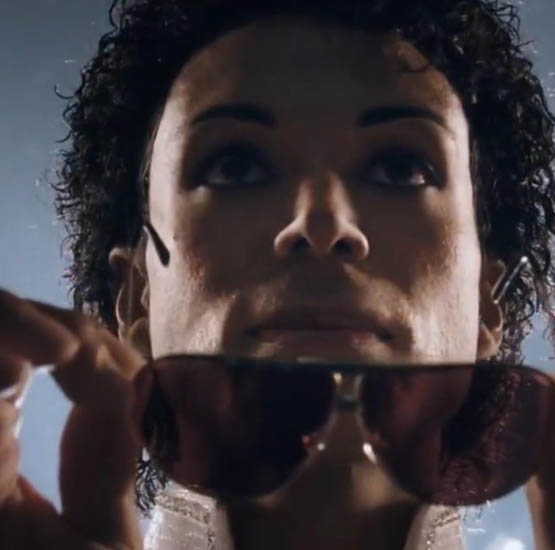
Early reactions suggest that audiences are responding strongly to the film’s performance recreations and emotional intensity. Critics, however, remain divided over how deeply the narrative explores the more controversial dimensions of Michael Jackson’s life and legacy. But perhaps that tension was inevitable. Any film about Michael Jackson was always destined to become part cinematic event, part cultural debate.
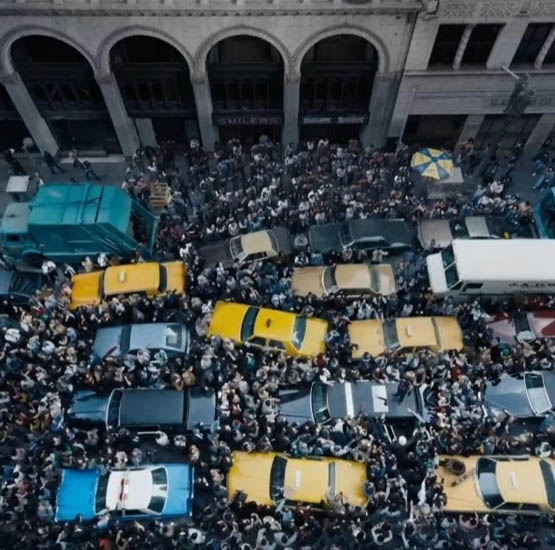
What cannot be denied, however, is the sheer ambition of the project. Michael attempts to recreate not only the life of a superstar, but also the atmosphere of an era shaped almost entirely around a single artist. It revisits a time when pop culture, media attention, and global fascination seemed to orbit around Michael Jackson alone.
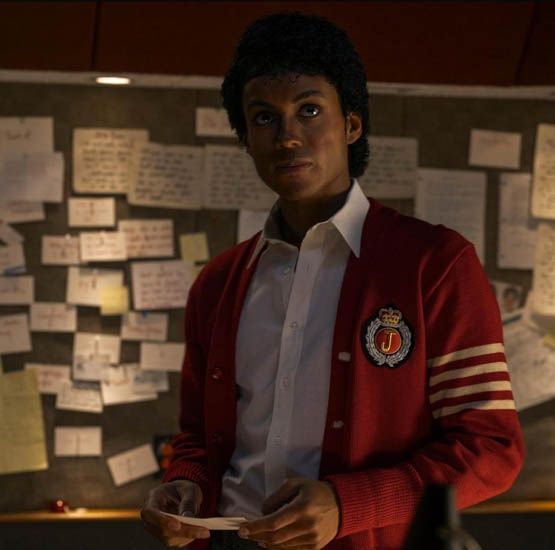
The film’s only real regret is its abrupt ending. Just when the emotional weight of the journey fully settles in, the film seems to pull away too quickly. Leaving behind the feeling that there was still more left unsaid, unresolved, and emotionally unexplored. The post credits, however, do indicate a part II coming by year’s end!
But perhaps that incompleteness is also strangely fitting. Michael Jackson was always too vast, too layered, and too mythologised to be fully contained within a single film. Michael may not answer every question or fully close every chapter of the story. Yet the film powerfully reminds audiences why the world once stood still for one man in a single glove. That was the power of Michael Jackson.
Enjoyed reading Michael Jackson Biopic 2026: Jaafar Jackson Plays the King of Pop’s Legacy? Drop us a comment and let us know!