Discover the best and oldest horror comedies that shaped Hollywood’s spooky sense of humor.
Before horror became slick and comedy became self-aware, there was a strange cinematic middle ground—where ghosts stumbled, monsters smirked, and audiences weren’t quite sure whether to scream or laugh. Long before meta-horror and parody took over, early Hollywood quietly laid the groundwork for one of cinema’s most enduring hybrid genres: the horror-comedy.
Today, horror-comedy is one of cinema’s most beloved genres—fueling everything from zombie satires to self-aware slashers—but its origins go back far earlier than most viewers realize. Long before modern audiences embraced genre hybrids, early Hollywood filmmakers were already experimenting with the uneasy chemistry between fear and humor.
These early horror comedies weren’t merely “funny scary movies.” They reflected cultural anxieties, evolving audience tastes, and Hollywood’s growing understanding that tension becomes sharper when interrupted by laughter. What emerged were films that did more than entertain. They changed the grammar of cinematic storytelling itself. These five films didn’t just entertain—they defined how humor could disarm fear, and how fear could sharpen the punchline.
Directed by Paul Leni, this silent-era gem is often considered the blueprint for the “old dark house” trope. A group of heirs gathers in a spooky mansion, only to be terrorized by mysterious happenings—and each other.
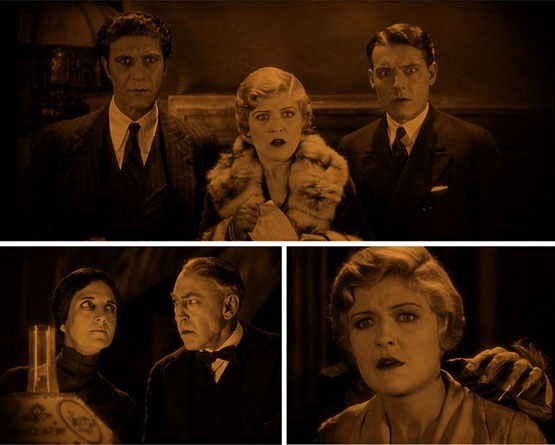
What makes it remarkable is its tonal agility. Expressionist shadows evoke genuine dread, while exaggerated performances and situational absurdity deliver moments of levity. It’s less a parody and more a delicate balancing act—where comedy sneaks in through human folly rather than undermining the horror.
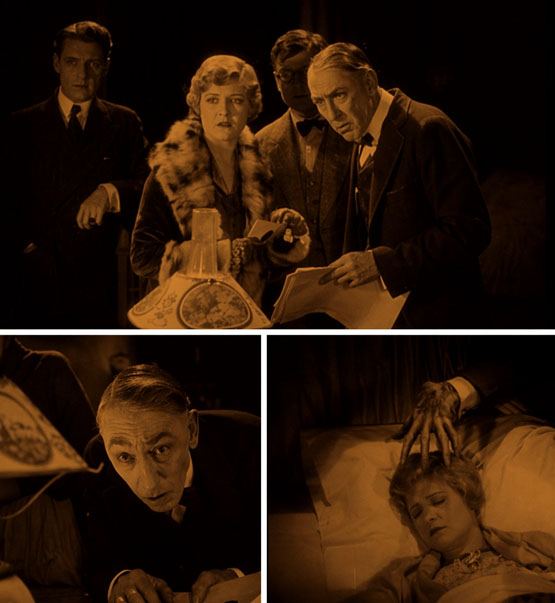
What made the film revolutionary was its atmosphere. Borrowing heavily from German Expressionism, Leni used exaggerated shadows, distorted interiors, and dramatic camera techniques to create genuine suspense. But instead of maintaining relentless terror, he punctuated the tension with moments of human absurdity and exaggerated reactions.
Starring Bob Hope and Paulette Goddard, this film takes audiences to a haunted castle in Cuba, blending supernatural scares with rapid-fire wit.
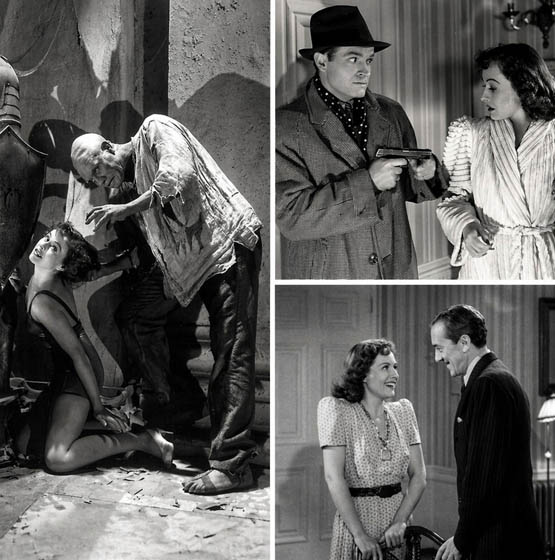
Hope’s comedic timing becomes the counterweight to gothic tension. The film plays with fear but never fully succumbs to it—turning haunted house conventions into setups for punchlines. It’s one of the earliest examples where *dialogue-driven humor* becomes central to horror storytelling.
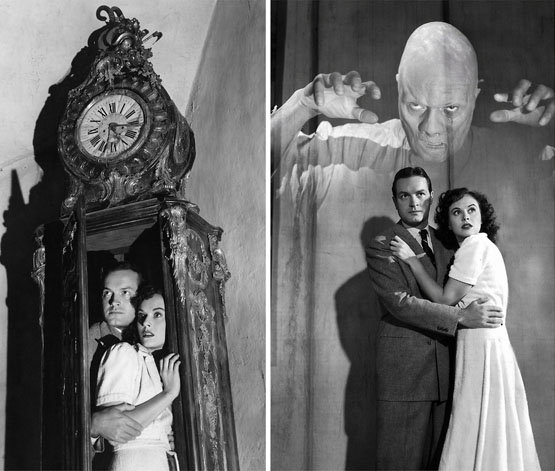
Bob Hope’s performance became especially influential because he reacted to danger not with heroic confidence, but with visible fear and sarcasm. That approach fundamentally changed horror-comedy dynamics. Instead of treating supernatural threats with stoic seriousness, the film allowed audiences to laugh with the frightened protagonist.
If one film officially legitimized horror-comedy as mainstream entertainment, it was Abbott and Costello Meet Frankenstein.At the time, Universal’s classic monsters—including Dracula, Frankenstein’s monster, and The Wolf Man—were already iconic figures in American popular culture. Rather than parodying them outright, the studio made the unusual decision to place them alongside comedy duo Abbott and Costello.
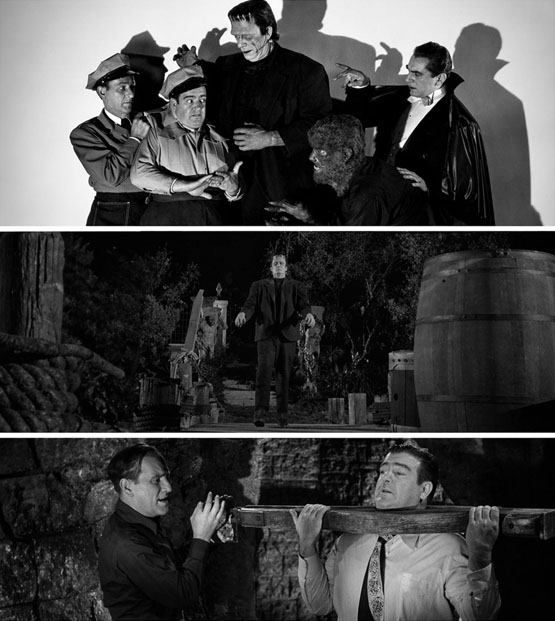
The genius of the film was restraint.
The monsters were still treated as genuine threats. Bela Lugosi reprised Dracula seriously and convincingly, preserving the gothic tone established years earlier. The comedy emerged instead from the human characters’ confusion, cowardice, and disbelief.
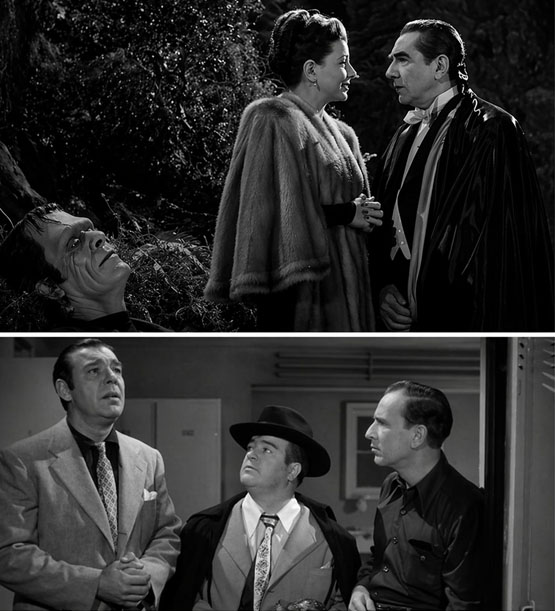
The film also pioneered the idea of cinematic crossover universes decades before Hollywood franchises became standard industry practice. Multiple monster mythologies existed within one shared narrative space—something modern studios continue to replicate today.
Not all horror needs monsters or ghosts. Sometimes, the most unsettling terror hides inside ordinary homes.
Directed by Frank Capra and starring Cary Grant, this film leans more toward dark comedy—but its macabre premise firmly roots it in horror territory.
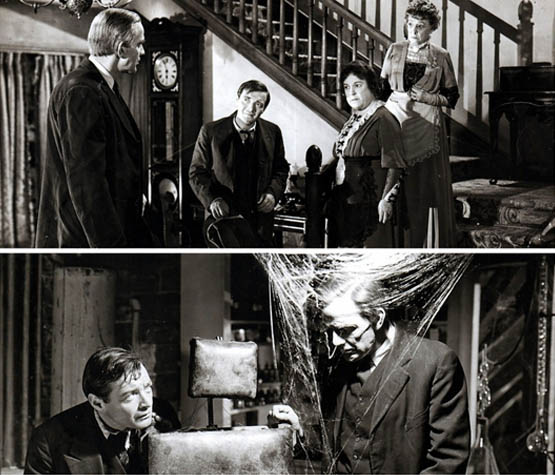
Two sweet elderly aunts who casually poison lonely men? It’s unsettling, yet played with such manic charm that it becomes irresistibly funny. The brilliance of the film lies in its tonal contradiction. Everything appears charming, polite, and civilized—yet underneath that warmth sits madness and death. This contrast gave rise to one of horror-comedy’s most enduring themes: the horror hidden within domestic normalcy.
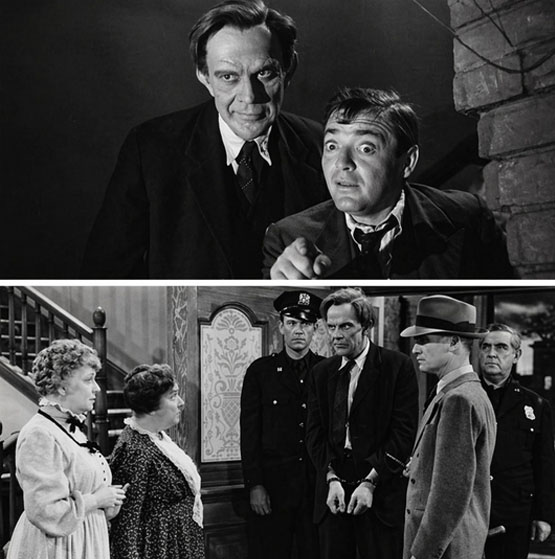
More importantly, the film demonstrated that horror-comedy didn’t require supernatural spectacle. Psychological discomfort, moral absurdity, and social satire could be just as effective.
Directed by Roman Polanski, this film feels like a bridge between classic and modern horror-comedy. The film follows two awkward vampire hunters navigating an eerie snow-covered world filled with gothic castles, eerie rituals, and aristocratic vampires. But unlike earlier horror comedies, this film possessed a strong sense of self-awareness. It understood the theatricality of vampire mythology and intentionally exaggerated it.
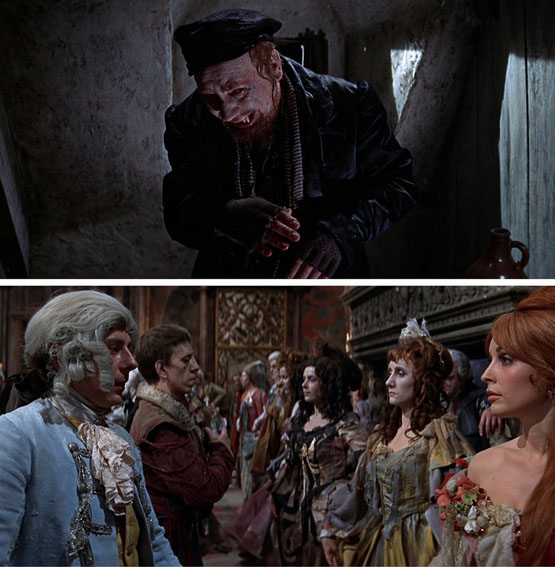
Visually, the film remained lush and atmospheric. Yet beneath the beauty sat parody, irony, and subtle mockery of horror traditions themselves.
This marked a turning point.
Rather than merely inserting jokes into horror settings, filmmakers were now beginning to comment on horror as a genre. The seeds of modern meta-horror had arrived.
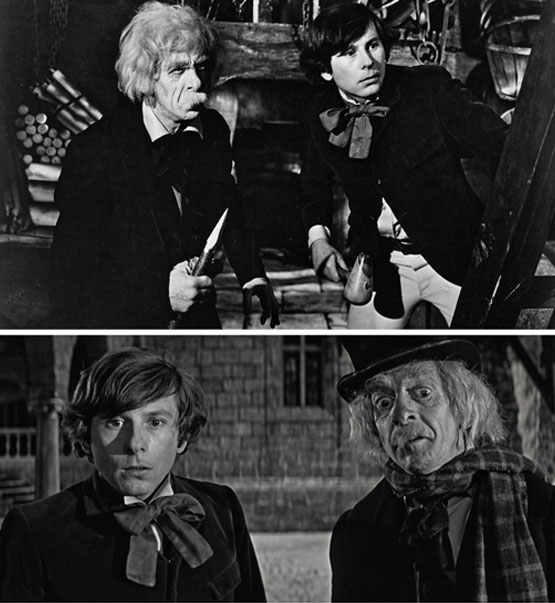
Without films like this, later works such as Ghostbusters, Beetlejuice, Shaun of the Dead, and Scream might never have evolved the way they did.
What ties these films together isn’t just age—it’s *experimentation*. They didn’t have a genre rulebook, so they invented one. From silent-era visual humor to dialogue-driven wit and eventually full-blown parody, these films map the evolution of this genre in Hollywood.