Entertainment | Cinema in 2026: Why Films Are Becoming the New Fashion Runways | Global Fashion Street
In the past, fashion houses dictated trends and cinema followed. Today, the relationship has reversed in fascinating ways. Films have become powerful style laboratories where costume design, visual storytelling, and cultural aesthetics converge. In 2026, audiences are not just watching stories unfold on screen—they are absorbing visual worlds that influence what they wear, how they travel, and even how they design their homes.
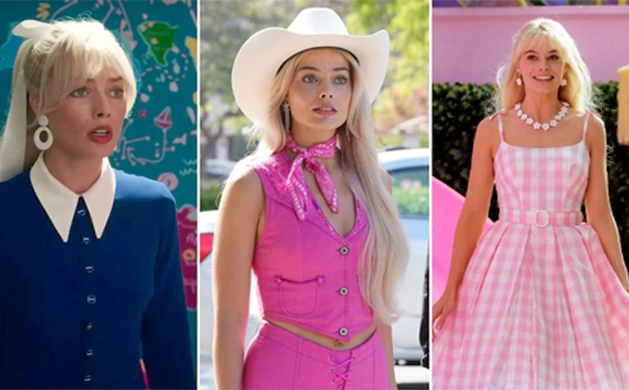
Entertainment is no longer confined to storytelling alone. It has evolved into a sensory experience where fashion, architecture, music, and design coexist within cinematic narratives.
Costume design has always been a vital part of filmmaking, but the current era has elevated it into a form of high fashion expression. Contemporary films now collaborate closely with luxury labels and emerging designers to create wardrobes that feel both authentic and aspirational.
Design houses such as Gucci, Prada, and Saint Laurent have increasingly worked with filmmakers to ensure that on-screen fashion carries the same narrative depth as the script itself.
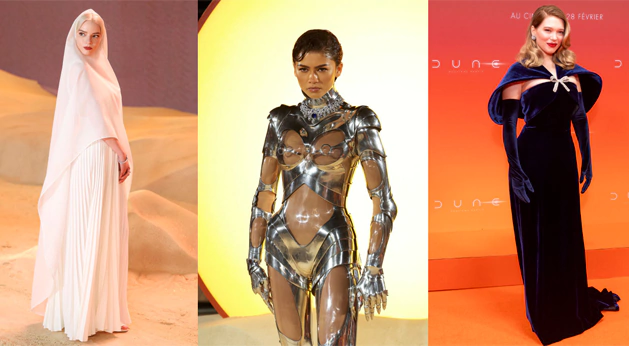
Costumes are no longer just clothing for characters—they are carefully crafted visual statements that define mood, social identity, and even psychological transformation.
Another major shift in entertainment is the dominance of streaming platforms. With global audiences consuming content simultaneously, cinema has become more culturally hybrid than ever.
Platforms such as Netflix, Amazon Prime Video, and Disney+ are investing heavily in visually distinctive productions that travel across borders. As a result, viewers in New Delhi can fall in love with Scandinavian noir aesthetics or Korean costume dramas overnight.
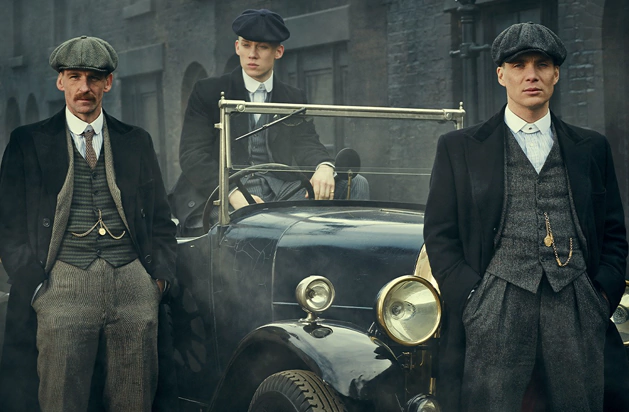
This global exchange has made entertainment a powerful driver of aesthetic trends.
Behind every memorable cinematic wardrobe is a costume designer who understands how fashion can communicate character and era. Legendary designers like Sandy Powell and Ruth E. Carter have demonstrated how clothing can elevate storytelling to an art form.
Their work reminds audiences that costume design sits at the intersection of fashion history, sociology, and visual art.
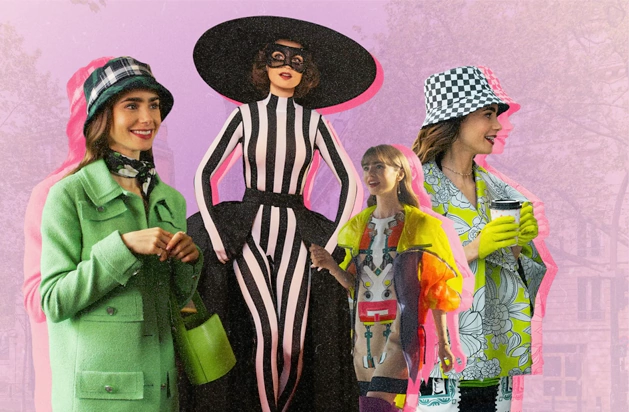
Today’s younger designers are pushing boundaries even further by experimenting with sustainable fabrics, archival garments, and even digital fashion pieces.
Films have always shaped popular culture, but in the social media age their impact multiplies instantly. A single costume, hairstyle, or visual aesthetic can go viral within hours of a film’s release.
Viewers recreate looks, fashion brands reinterpret them, and travel destinations featured in films suddenly become bucket-list experiences.
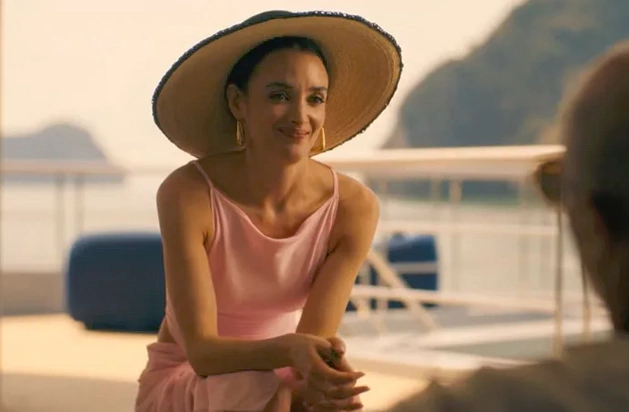
Entertainment in 2026 is therefore not just about watching a film—it is about entering a lifestyle universe built around the story.
Looking ahead, the line between cinema, fashion, and art will likely blur even further. Augmented reality premieres, digital fashion wardrobes, and immersive screenings may soon become part of the movie-going experience.
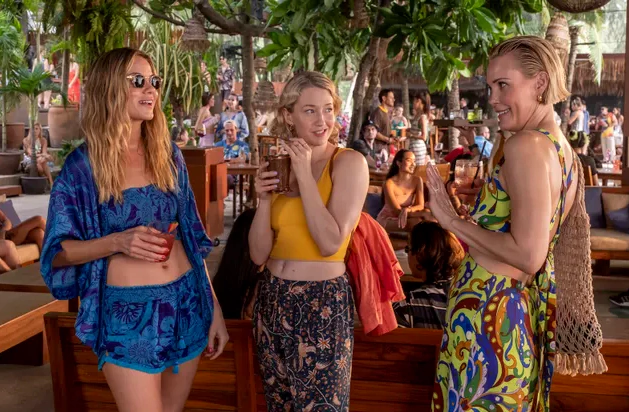
In this evolving landscape, entertainment will continue to inspire creativity far beyond the screen.
And perhaps that is the true magic of cinema—it allows audiences to step into beautifully imagined worlds and carry a piece of that imagination back into everyday life.
Enjoyed reading 'Cinema in 2026: Why Films Are Becoming the New Fashion Runways'? Drop us a comment and let the team know!