My relationship with East Asian drama titles began with Crouching Tiger, Hidden Dragon—a film I loved, but a title I spent nearly 25 years trying to interpret. Then came the pandemic, and with it, an enthusiastic binge-watching habit involving C-, F-, I-, J- and K-dramas.
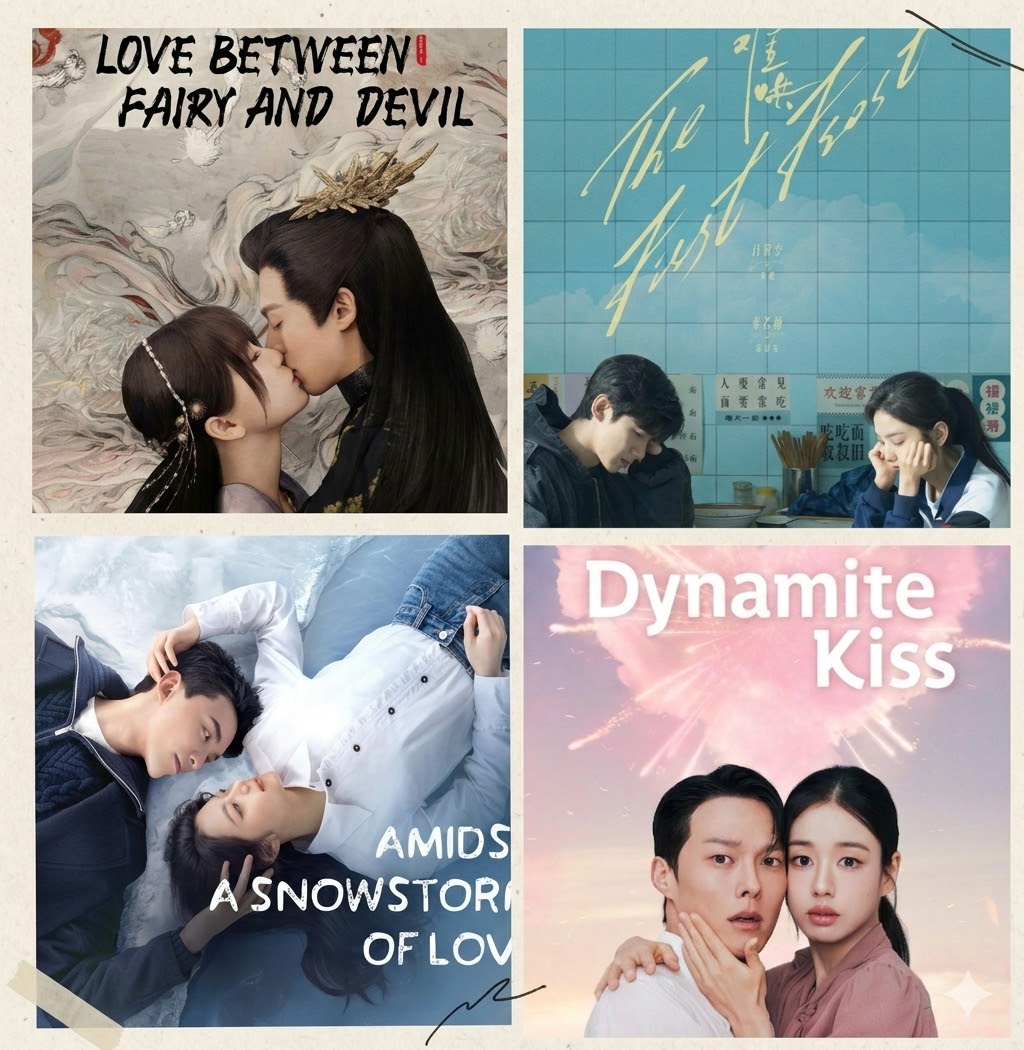
One fine day, as my Netflix homepage filled up with East and Southeast Asian shows across every category—each bearing a title that made little to no literal sense—I smiled. The gloriously baffling English titles of Korean and Chinese dramas, where heartbreak sounds like a weather report, romance sounds like a legal dispute, and revenge sounds oddly like a lifestyle choice. At last, I understood: the confusion was not a flaw; it was part of the charm.
There is a special kind of genius at work in the English naming of Korean and Chinese dramas. These titles do not merely introduce a show; they challenge your emotional preparedness, grammatical instincts, and occasionally your faith in translation itself.
One moment you are clicking on something called Love Between Fairy and Devil, expecting mythology and longing. The next, you are staring at Use for My Talent and wondering whether you are about to watch a romance, a corporate internship, or a motivational seminar gone wrong.
For international viewers, half the entertainment sometimes begins before episode one. The plot may be elegant, emotionally devastating, and visually stunning—but the English title often arrives like a confused courier, carrying the right package in the wrong wrapping. Some are strangely literal, some sound like fragments of poetry translated by a sleep-deprived philosopher, and some feel as though three beautiful words were picked out of a hat and stitched together with hope.
And yet, that is part of their charm. Because once you enter the lush, melodramatic, slow-motion universe of these dramas, you begin to realise that the titles do make sense—just not in the way your practical, English-speaking brain expects. They operate on mood, metaphor, destiny, and occasionally complete chaos.
I also realised something else: the sweeping cheesiness of many of these dramas felt like a 2.0 version of Mills & Boon—only better dressed, more visually lush, and with significantly stronger cheekbones. Perhaps this is the newest Mills & Boon genre after all, reborn for the streaming age in silk robes, slow-motion glances and impossible devotion.
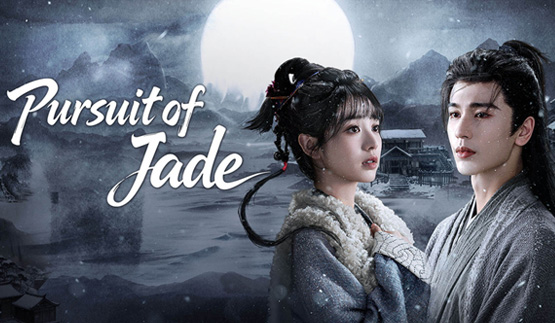
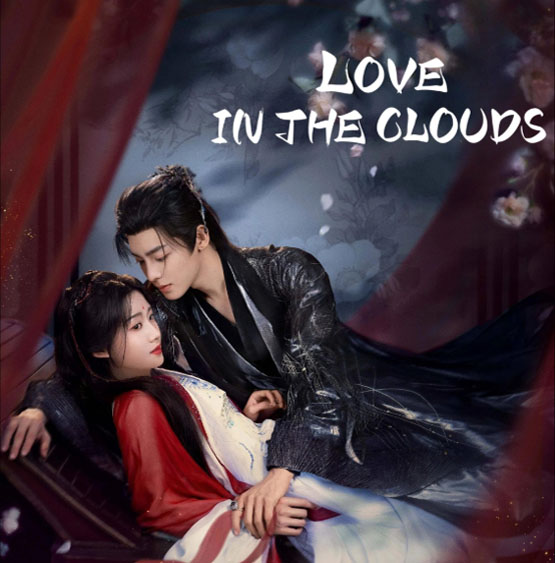
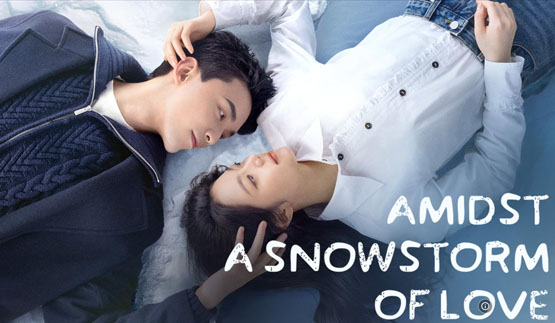
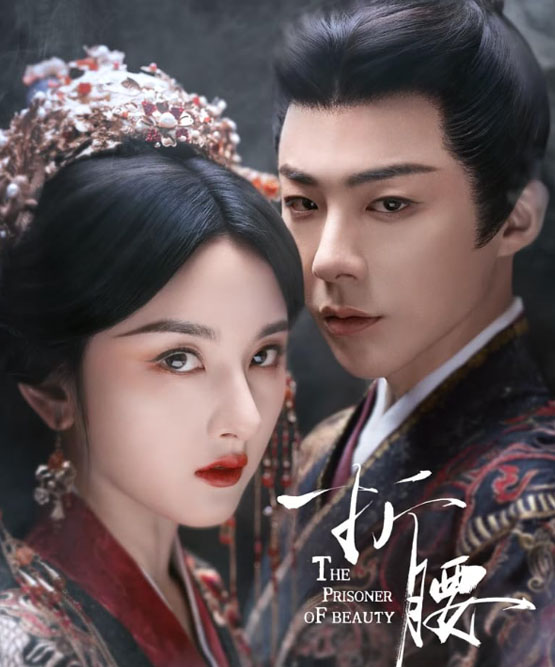
And nowhere is this more apparent than in C-dramas, which continue to expand the category of confusingly beautiful titles with complete confidence. The recent Pursuit of Jade has now joined that distinguished shelf, alongside The First Frost, Amidst a Snowstorm of Love, Love in the Clouds, Put Your Head on My Shoulder, and The Prisoner of Beauty. These are titles that sound variously like perfumes, weather bulletins, old letters, emotional ultimatums, or a line from a particularly earnest Valentine’s card.
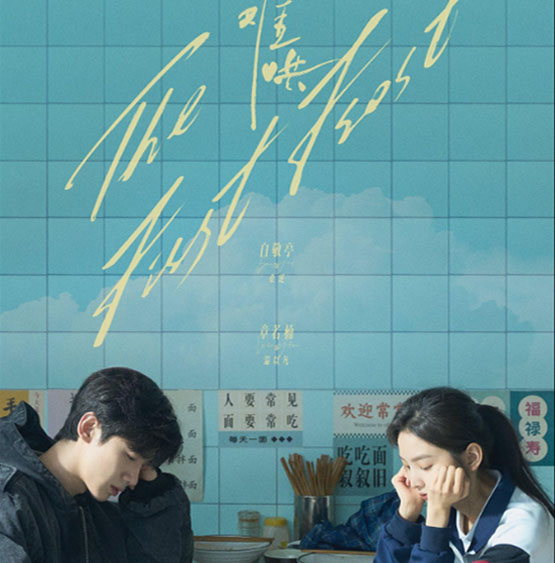
Some are lovely, some are dramatic, and some seem only loosely connected to the story they are naming. The First Frost sounds like a seasonal memory. Amidst a Snowstorm of Love suggests romance has been trapped inside a weather system. Put Your Head on My Shoulder is less a title and more a direct instruction. The Prisoner of Beauty sounds both alarming and flattering. And Pursuit of Jade could be a treasure hunt, a martial arts quest, or a luxury jewellery campaign. Yet somehow, all of them lead to stories filled with longing looks, emotional wounds, and enough romantic tension to justify the title even when logic cannot.
Korean dramas, on the other hand, often take a slightly different but equally bewildering route. Their English titles can sound either startlingly blunt or unintentionally philosophical. What is delightful about these K-drama names is that they are often either too broad or too specific, with very little in between. They do not gently introduce a narrative; they either hand you an emotional slogan or toss you a phrase that sounds like it escaped from a diary, a song lyric, or a brainstorming session that no one wanted to interrupt. And yet, much like their Chinese counterparts, they work. Not always logically, not always literally, but emotionally. They catch a vibe, strike a note, create a feeling — and in the world of East Asian dramas, that often seems to matter more than tidy explanation.
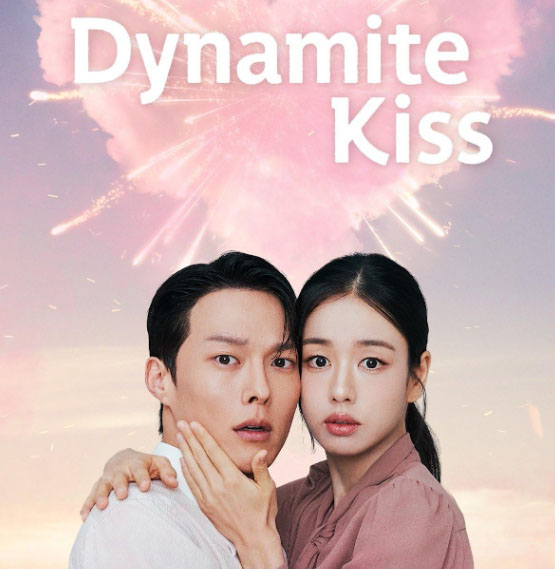
It’s Okay to Not Be Okay, King the Land, Dynamite Kiss, Hometown Cha cha Cha, Record of Youth, Decsendants of the Sun, Lovely Runner– the titles seem to take the least amount of time for the dramas’ completion. Something in the Rain is undeniably beautiful, but also sounds like the clue to a murder mystery. What it does not sound like is a full-fledged romantic drama carrying all the emotional turbulence of love, family judgment, social pressure, and adult heartbreak. Because This Is My First Life sounds like the beginning of a spiritual memoir written by someone who has just discovered rent, feelings, and capitalism, yet it is not.
In a world obsessed with searchable precision and algorithm-friendly clarity, these titles remain gloriously unbothered. They are dramatic, strange, poetic, and occasionally baffling in ways that no focus group would ever approve. They may not tell you what the story is about, but they tell you how it wishes to be felt. And perhaps that is why we keep clicking. Not because the titles make perfect sense, but because they sound like they belong to a world where love is fated, sorrow is beautiful, and nobody ever just has a normal conversation when they can have a life-altering stare in the rain.
And I thought Bollywood was weird with titles. Turns out it’s an East Asian Phenomenon!