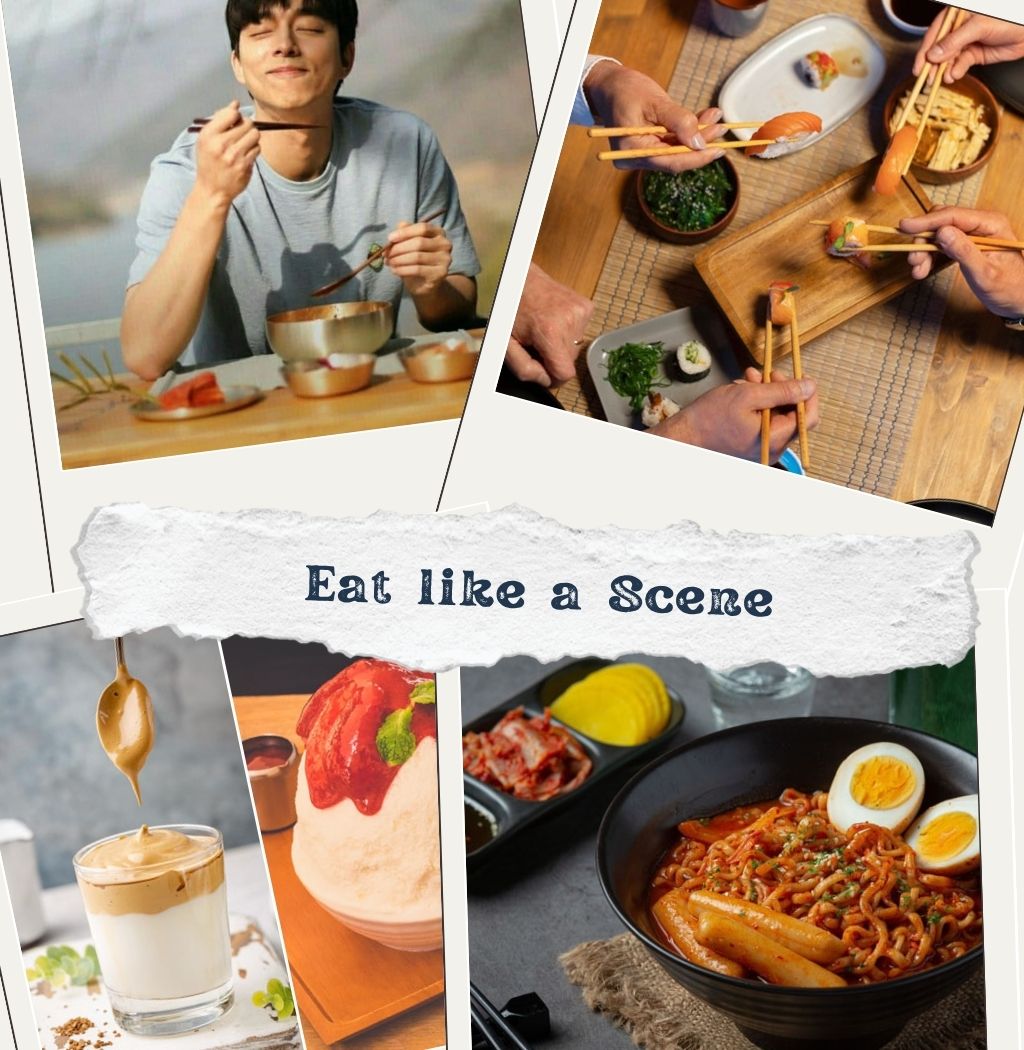
K-Dramas, Korean Food: What begins as a fleeting moment on screen often lingers far beyond the episode. A shared bowl of ramen, a late-night street snack, a quiet meal between characters, K-Dramas have gracefully reshaped global food culture. Turning everyday Korean dishes into objects of curiosity, aspiration, and, ultimately, imitation.
It often begins with something almost intangible—a curl of steam rising from a bowl of ramen, a quiet clink of chopsticks in a dimly lit room, a shared meal unfolding in silence between two characters on screen. Long before the first bite, Korean food arrives as an atmosphere. Through the global reach of K-dramas and digital culture, it has transformed from a regional cuisine into a sensory experience—one that audiences don’t just watch but instinctively begin to crave.
Korean dramas have redefined how food functions in storytelling. Meals are not incidental; they are emotional anchors. A simmering pot of stew signals comfort, a late-night convenience store meal hints at solitude, and shared dishes often carry the weight of unspoken relationships.
Repeated exposure to these moments has created a powerful feedback loop—viewers across the world are not only consuming narratives, but subconsciously absorbing food rituals. The result is a quiet but undeniable shift: what begins as passive viewing often ends as active seeking.
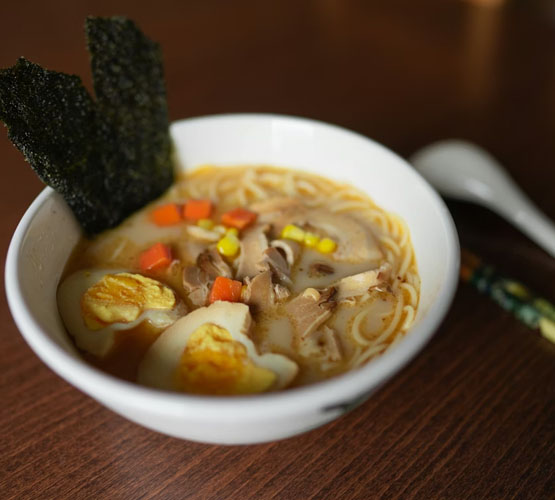
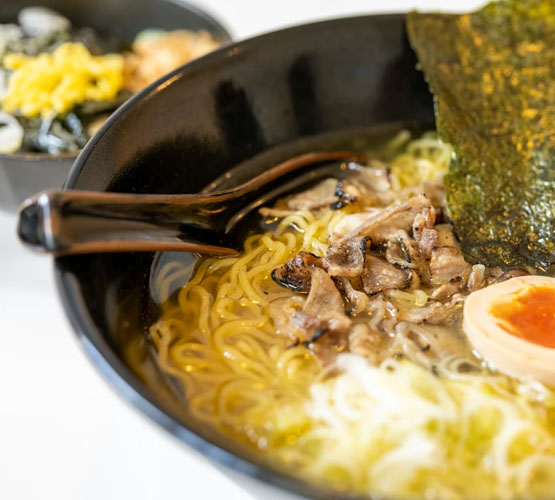
Few symbols capture this shift better than Korean ramen. Once considered the most basic of instant foods, it has been elevated into a global aesthetic—styled, filmed, and consumed with a sense of ceremony. The addition of a perfectly placed egg, the sheen of broth, the rhythm of slurping—each detail contributes to its allure.
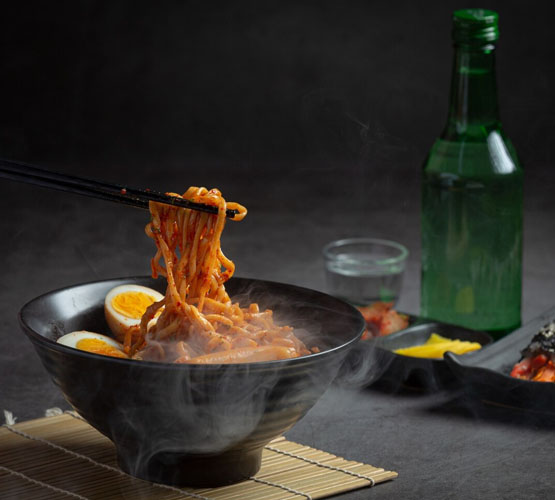
Mukbang culture amplifies this further, turning solitary eating into spectacle. Here, indulgence is not hidden; it is performed. In doing so, Korean food redefines luxury—not as rarity or refinement, but as sensory satisfaction that is accessible, repeatable, and deeply visual.
For decades, global audiences believed they had arrived at Asian cuisine through the familiar comforts of Chinese food—adapted, localised, and deeply embedded into everyday dining across cultures. From sweet corn soup to Hakka noodles, it became a culinary language that felt both exotic and accessible.
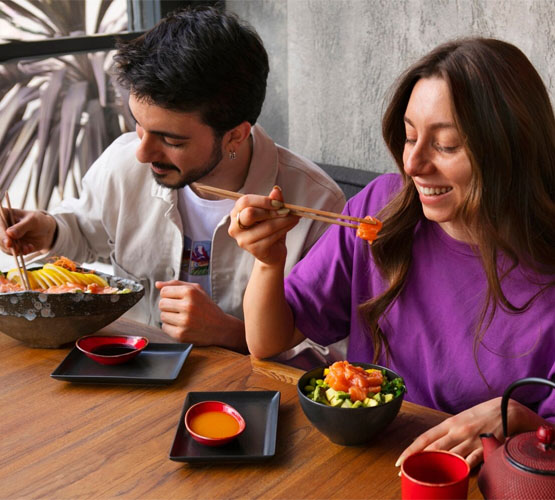
But just as that narrative seemed complete, Korean cuisine entered the global stage—not as a variation, but as a disruption. It did not dilute itself for acceptance. Instead, it arrived with bold flavours, unapologetic textures, and a strong sense of cultural identity intact.
If Chinese food introduced the world to Asian comfort, Korean food initiated it into Asian specificity—where flavour is sharper, presentation more deliberate, and context inseparable from consumption.
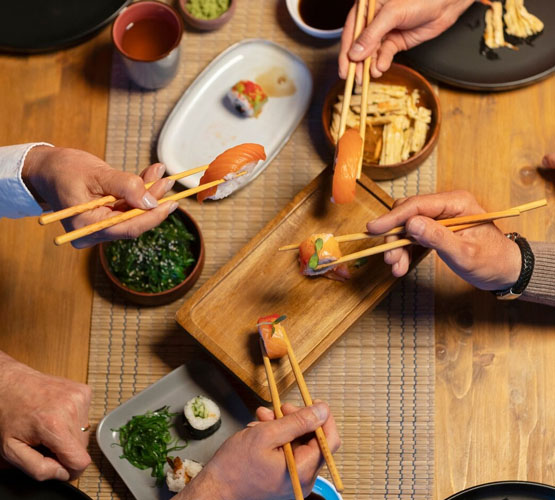
Alongside new flavours came a quieter transformation—one of behaviour. Before the Korean tsunami , chopsticks had long been associated with a narrow range of dishes, used primarily for noodles and familiar takeaway staples.
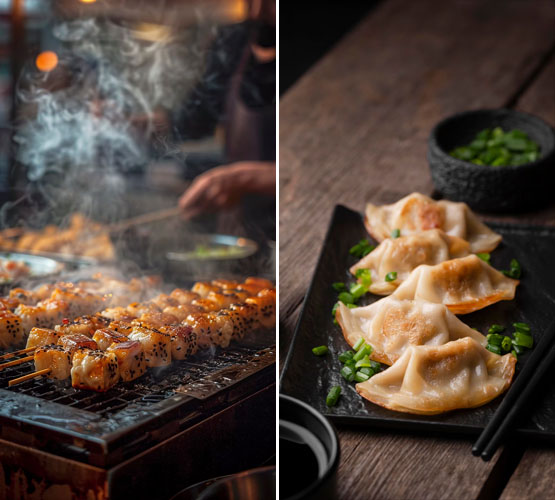
Korean cuisine expanded that vocabulary. Suddenly, chopsticks moved fluidly across an entire table—lifting small portions of shared side dishes, navigating rice, selecting grilled meats, and engaging with food in a more continuous, communal rhythm. Eating became less about individual plates and more about collective experience.
In this subtle recalibration, Korean food did something remarkable: it didn’t just change what people eat, but how they eat.
Korean street food occupies a unique space where flavour meets fashion. Vivid, tactile, and inherently photogenic, dishes like spicy rice cakes and cheese-filled corn dogs exist as much for the camera as they do for the palate.
Set against neon-lit streets and fast-moving urban life, these foods become extensions of youth culture—casual, expressive, and visually striking. They blur the line between sustenance and style, turning everyday eating into a performative act that fits seamlessly into the language of social media.
If street food captures spontaneity, Korean café culture represents control. Every element—lighting, plating, colour palette—is carefully considered. Cafés are not just places to eat; they are curated environments designed for visual storytelling.
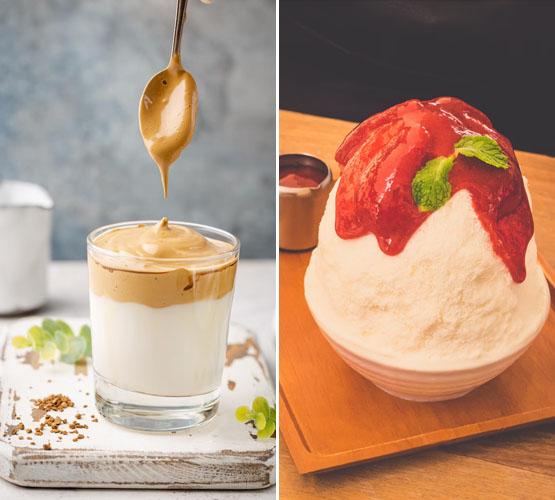
From delicately constructed desserts to pastel-toned beverages, the emphasis is as much on how food looks as how it tastes. This meticulous aesthetic has travelled globally, influencing how cafés design their menus, interiors, and even their brand identities.
In this space, food becomes content, and consumption becomes documentation.
Korean food’s global rise is not accidental. It exists within a larger ecosystem of cultural export—alongside music, cinema, fashion, and beauty. Together, they form a cohesive narrative that positions Korea not just as a producer of trends, but as a curator of lifestyle.
Food plays a crucial role in this matrix. It is tangible, repeatable, and deeply personal. While a drama may end or a song may fade, a dish can be recreated, shared, and integrated into daily life. In that sense, Korean cuisine extends the lifespan of cultural influence, embedding it into routine.
What makes Korean food’s global journey so compelling is not just its popularity, but its progression. It begins on screen, moves into curiosity, evolves into craving, and eventually settles into habit.
In learning to eat like a scene—styling meals, sharing dishes, reaching for chopsticks with newfound fluency—audiences around the world are not simply adopting a cuisine. They are stepping into a way of life, one carefully plated frame at a time.
Enjoyed Reading- Eat Like A Scene: Influenced By K-Dramas, Korean Food- New Trend Around The World? Drop us a comment and let us know!
Gong Yoo – Picture Src