Mind, Body & Soul | Shinrin-yoku: Why Forest Bathing Is Nature’s Ultimate Therapy | Global Fashion Street
It’s called Shinrin-yoku. Forest Bathing. In a world overwhelmed by screens, noise, and relentless schedules, this gentle return to the forest is emerging as one of the most intriguing remedies for urban stress.
A simple act of stepping into a woodland and allowing the sights, scents, and sounds of nature to wash over the senses, can heal your mind, body and soul. Sometimes dramatically—and sometimes quietly, almost imperceptibly—too.
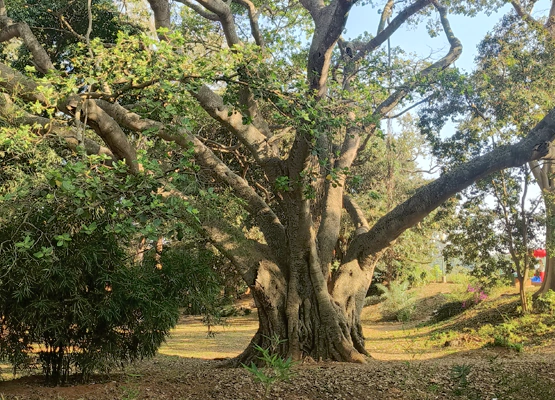
Unlike hiking or outdoor exercise, forest bathing is not about reaching a destination or counting steps. Instead, it is about presence: walking quietly, breathing deeply, and allowing the forest environment to soothe the mind and body. In an age of constant stimulation, this quiet connection with nature is emerging as one of the most accessible forms of therapy for urban stress.
The practice of Shinrin-yoku originated in Japan in the 1980s, when public health experts began encouraging citizens to spend time in forests as a preventive healthcare measure. The phrase literally means “taking in the forest atmosphere.” Interestingly, the idea of healing through nature is not entirely new—ancient Indian traditions, particularly within Ayurveda, have long emphasised the restorative power of forests, gardens, and natural surroundings for maintaining balance between mind, body, and spirit.
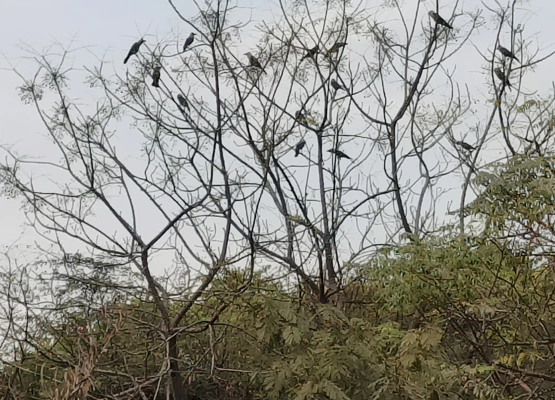
Rather than focusing on exercise or physical endurance, forest bathing encourages slow and mindful interaction with nature. Participants walk at an unhurried pace, noticing the patterns of leaves, the sound of wind through branches, and the subtle fragrances released by trees.
This sensory engagement helps shift attention away from the overstimulation of urban life and toward the rhythms of the natural environment.
“Did you know? Studies suggest that spending time among trees can reduce stress hormones and improve mood within just 20 minutes.”
While the concept may sound poetic, research increasingly supports the health benefits of spending time among trees. Studies from institutions such as Nippon Medical School have explored how forest environments influence physical and mental wellbeing.
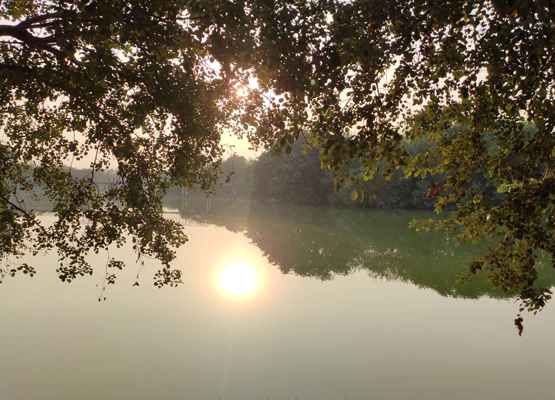
Trees release natural aromatic compounds known as phytoncides, which are believed to contribute to relaxation and immune support. Even short visits to forest environments can have measurable calming effects, reinforcing the idea that nature is not merely scenic—it is therapeutic.
One of the most appealing aspects of forest bathing is its simplicity. It requires no equipment, training, or special preparation—only a willingness to slow down.
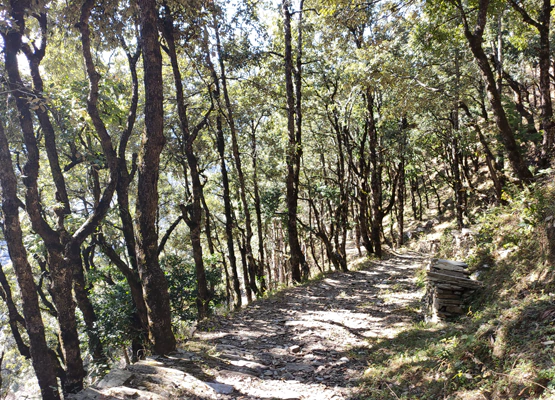
Forest bathing is less about doing and more about being—allowing nature to guide the experience. There’s no agenda to it. Just be. Simply be in your own company and gaze around.
Even in the busiest cities, pockets of green offer quiet sanctuaries where people can slow down and reconnect with nature. From ancient woodlands to expansive botanical parks, these urban forests allow city dwellers to experience the calming essence of forest bathing without travelling far from home.
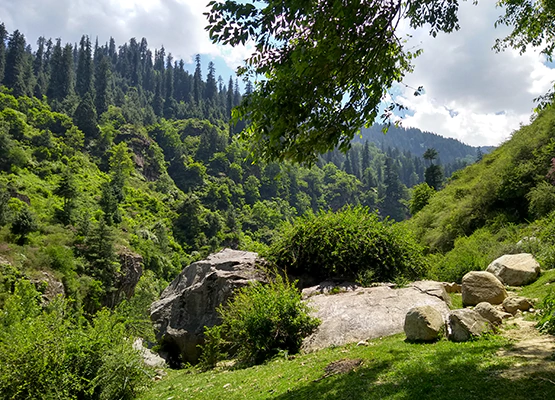
These green sanctuaries remind us that even in the world’s most dynamic cities, the quiet healing presence of trees is never too far away. These spaces remind us that forest bathing does not always require remote wilderness—sometimes it begins with a simple walk in a city park.
Forest bathing is like a form of meditation, with emphasis on awareness and presence. Conventional forms of meditation often involve inward focus—observing the breath or quieting the mind in stillness. Forest bathing, by contrast, invites outward attention. The natural environment becomes the guide, gently drawing the senses toward sights, sounds, and sensations in the landscape.
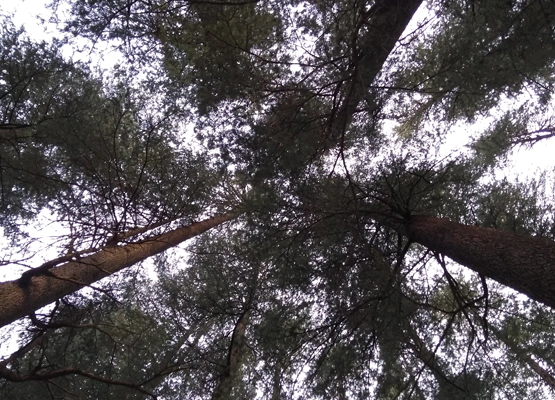
The experience is therefore less structured and more exploratory, allowing individuals to form their own rhythm of connection with nature.
In recent years, forest bathing has gained attention far beyond its Japanese origins. Wellness retreats, eco-resorts, and spa destinations around the world now incorporate guided forest walks into their programs.
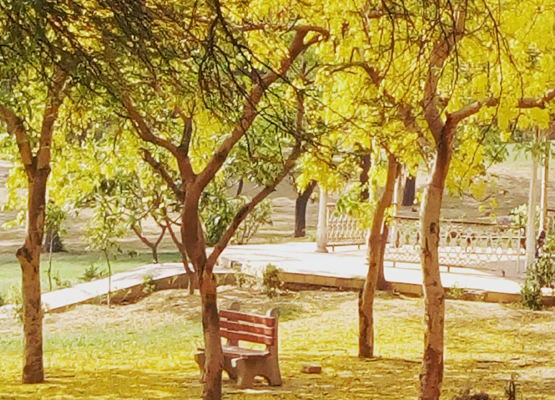
Part of the appeal lies in its accessibility. Unlike many wellness trends that require specialised equipment or costly memberships, forest bathing asks only for time and attention. It reconnects people with something fundamental: the calming influence of natural landscapes.
As urban populations grow and digital lifestyles become increasingly intense, the quiet presence of trees offers a form of balance that modern life often lacks.
In the rush of contemporary living, productivity is often celebrated while stillness is overlooked. Forest bathing offers a quiet alternative—a reminder that healing can sometimes begin with a slow walk beneath a canopy of leaves.
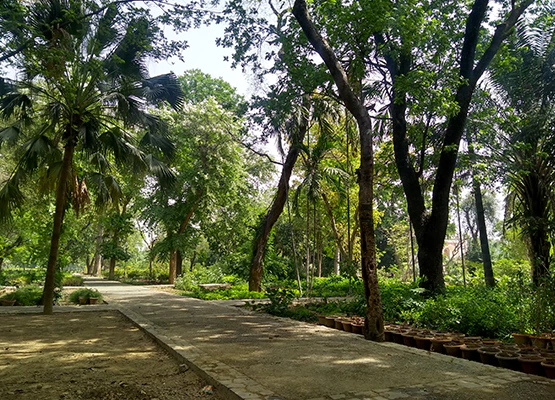
In the end, the forest asks for very little. Only that we pause long enough to notice it.
Enjoyed Reading “Discover Shinrin-Yoku – Forest Bathing: Nature’s Therapy for Urban Stress”? Drop us a comment and let us know!